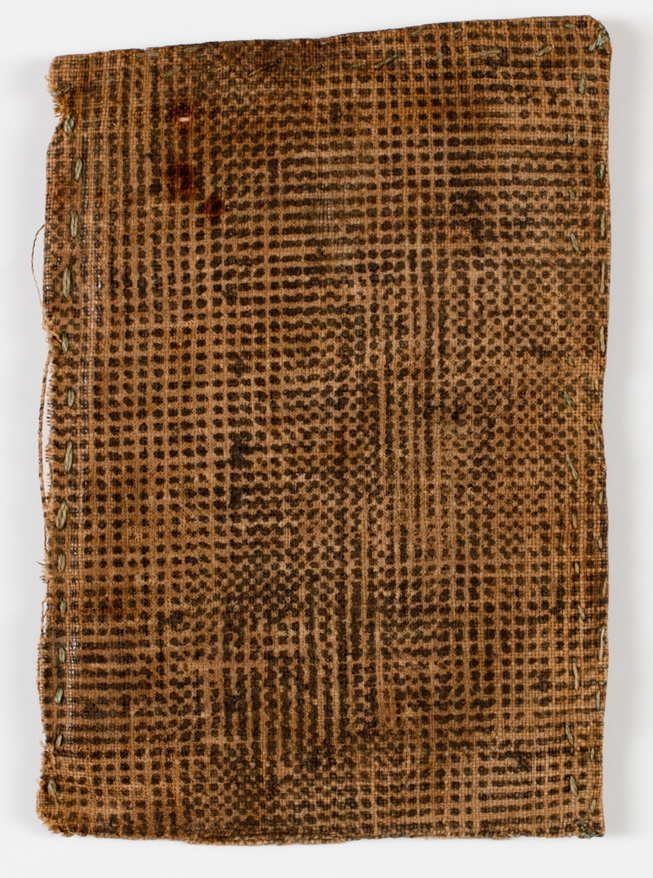
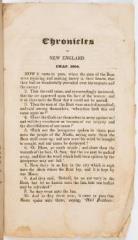
Recently, I had the opportunity to treat a very special item from our Reserve collection as part of our Save America’s Treasures grant. The Protestant Tutor for Children is attributed to Benjamin Harris and was printed by Samuel Green in Boston, 1685. Thought to be a precursor text to the New England Primer, it is the first and only known extant copy printed in New England. AAS has been in ownership of this pamphlet since at least 1885.
Upon examination, I found this rare pamphlet to be severely mutilated, with paper tears, losses, and stains. Hand-stitched into a dear little cloth wrapper, and with every page backed with glassine tape, it was evident that someone in its almost 330-year life had cared about preserving it. A missing section of the title page had been filled in with new paper and text neatly written in pencil. I imagine they probably felt they were doing a great job of it. There was ink manuscript throughout, declaring ownership (William Giddons and Joseph Ayers, specifically). Overall, charming, but in rough shape!
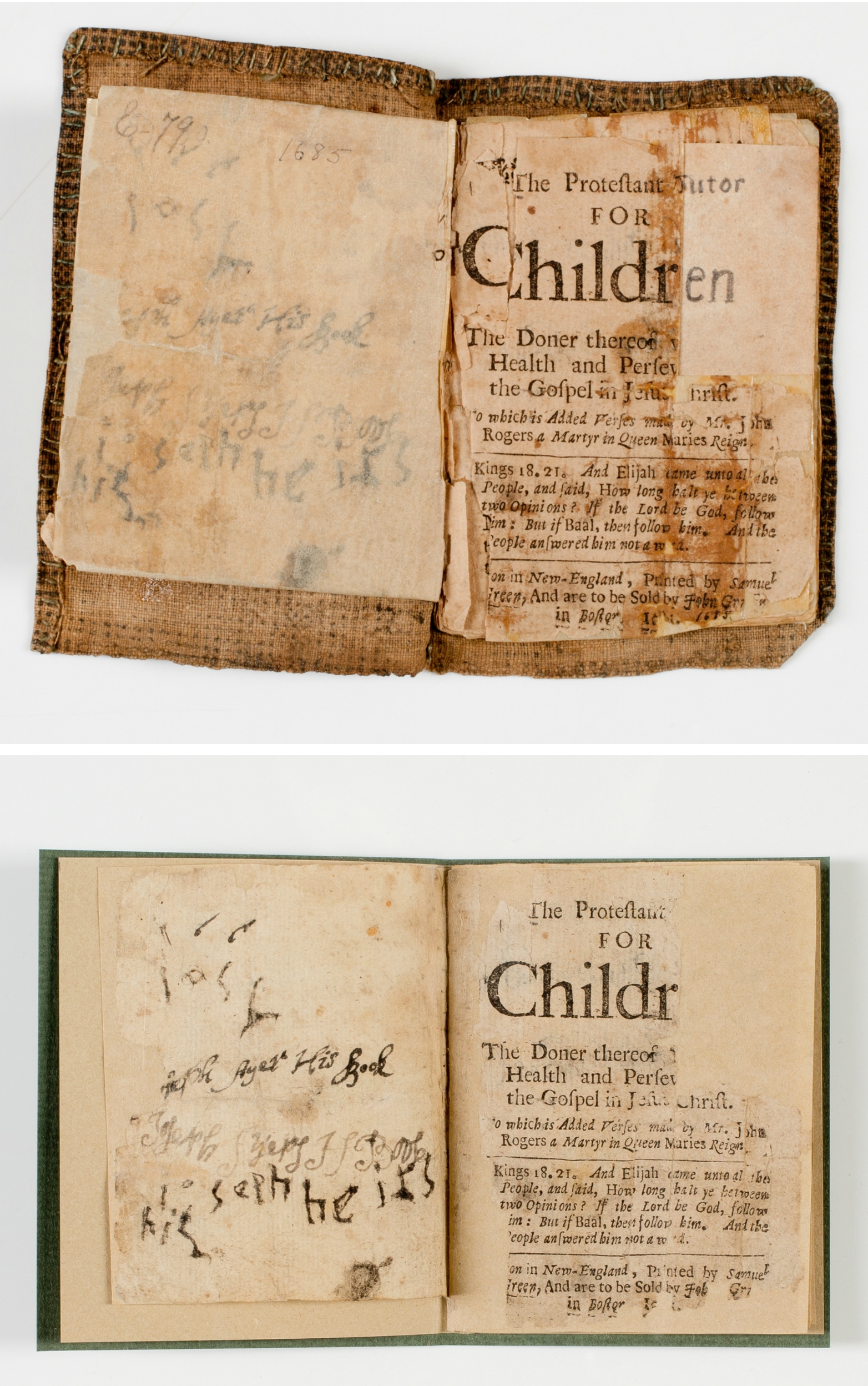
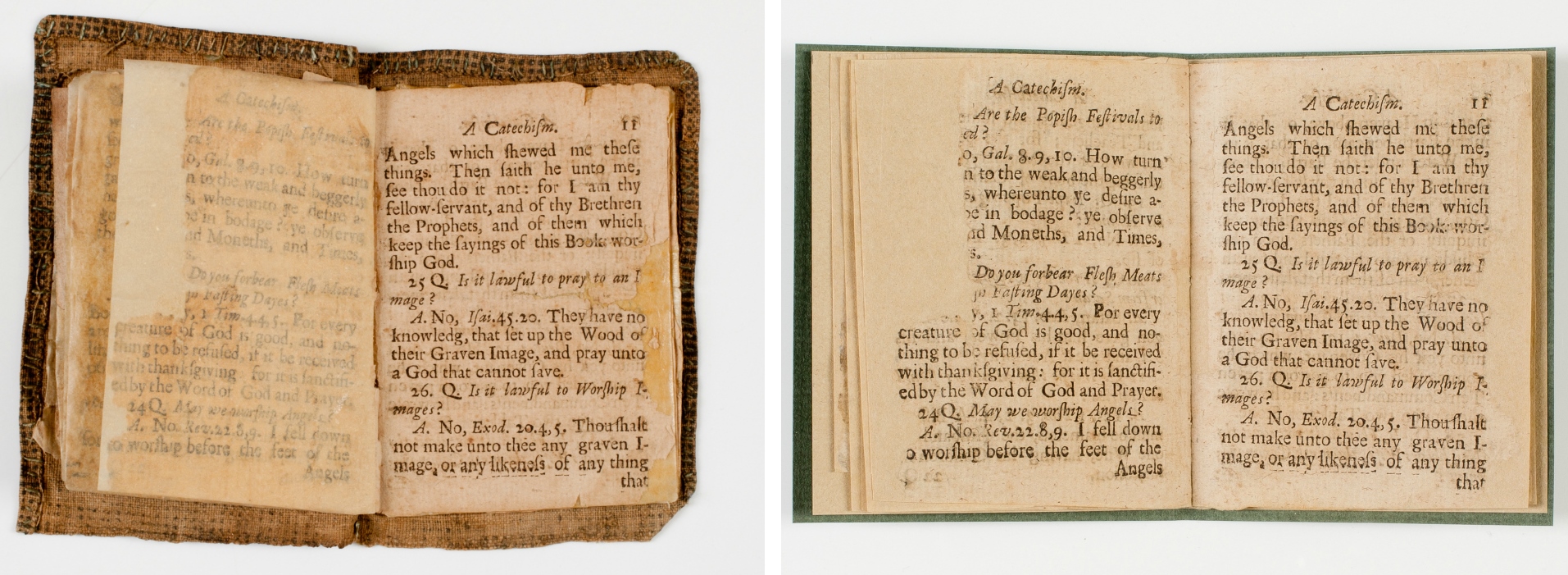
What is required first in treating such an object is thorough documentation. A detailed description of its condition is written up and captured visually with digital photography. In this case, every page was shot both before and after treatment. The pamphlet was then disbound, and the pages were cleaned of surface grime before washing. All of that glassine had turned yellow and obscured the text. It had certainly kept the pamphlet intact, but it had to go! Fortunately, the adhesive on glassine tape is water soluble, and was easily removed in a water bath. After the tape floated off and the acids were removed from the paper, it was alkalized with a magnesium solution, and when dry, re-sized with gelatin. It was now time to reattach all the little bits that came apart when the glassine came off. Usually we mend tears and fill losses with Japanese tissue and wheat starch paste, but due to the extent of damage this was a better candidate for a pulpfill, which tends to be more seamless. We’d just spent the month doing pulpfills, and I’d saved this one for last.
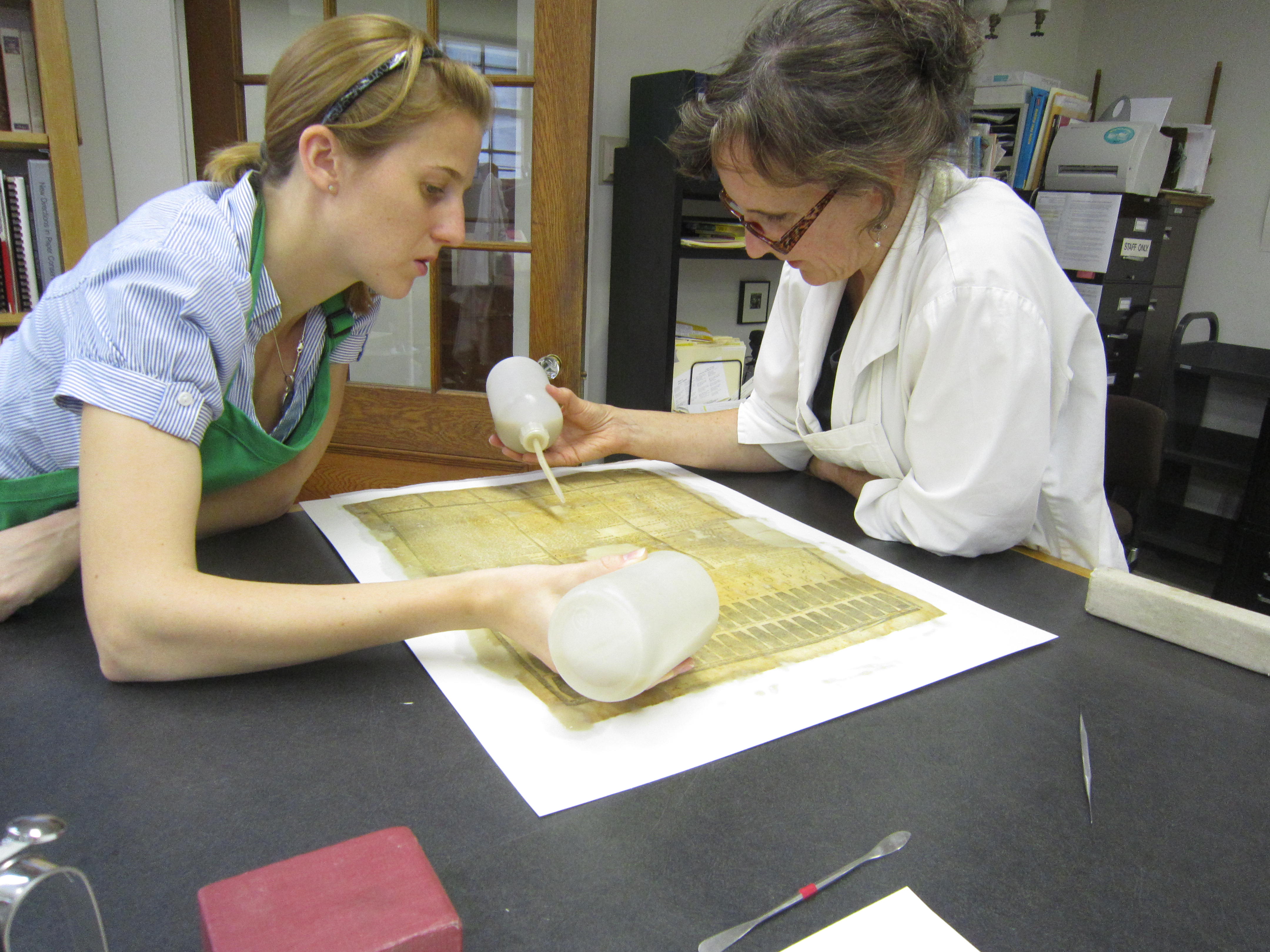
Making fills with pulp is fun, and creative, even kind of artsy – one tears into small pieces a variety of high-quality handmade papers (old and new) in an attempt to match the hue and tone for the area you are repairing. These are whirred up in a blender with water (passersby are unable to resist the smoothie joke) until you have a suitably blended paper pulp. It can take a bit of tweaking, but is highly satisfying when you’ve gotten it right. We then fill a squeeze bottle with the pulp and apply it to the wet object on Hollytex (a synthetic material which allows water to flow through, but prevents sticking) and blotters. (To see what this process looks like, click here.) It is then dried under pressure between felts.
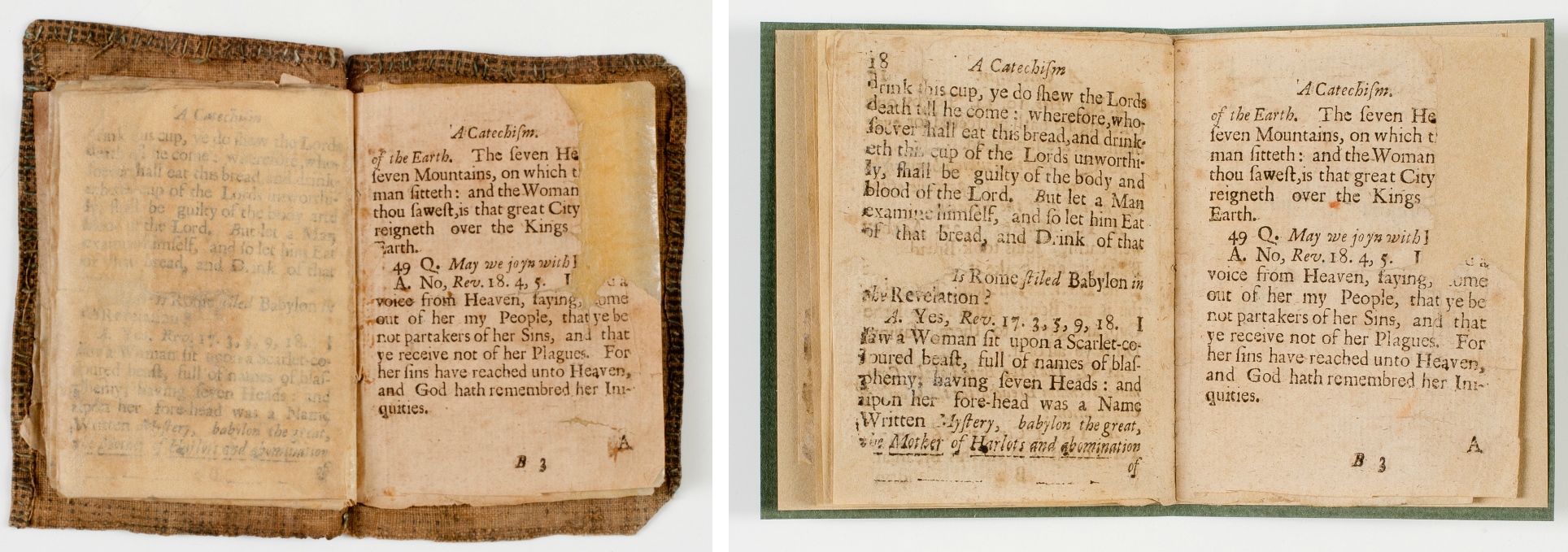
After the paper repairs, the pamphlet was re-sewn into a new paper wrapper because the original wrapper was too fragile for re-use. Both the old wrapper, and the original threads that were cut to release it, have been saved with the pamphlet in an enclosure, along with some notes about the provenance that were found with it. The “after” photos were taken, and it was returned to our cool, dark, secure stacks, where it will remain safe and sound for generations to come.
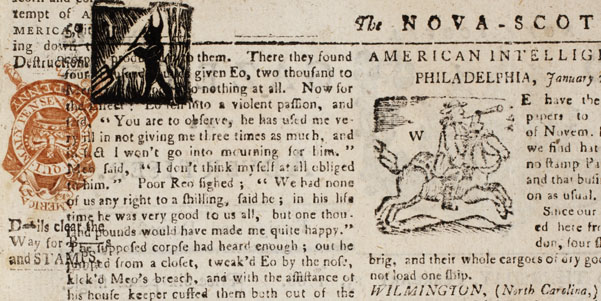
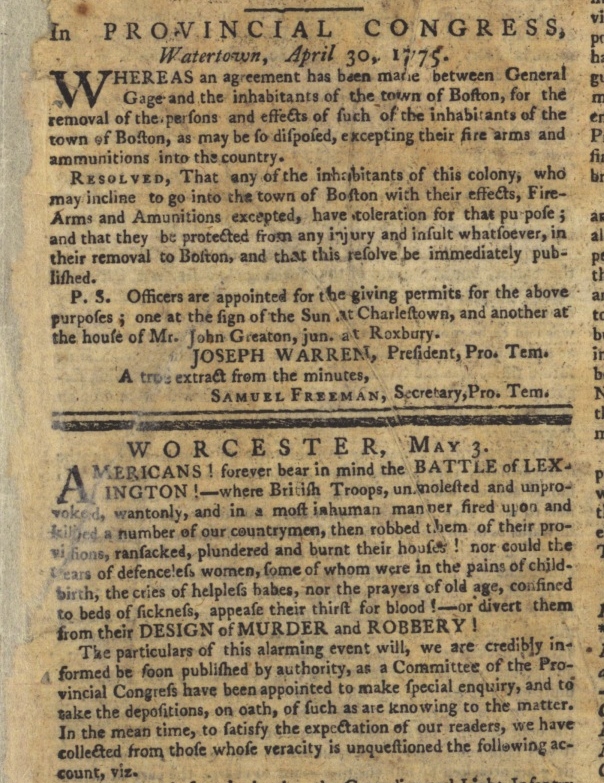
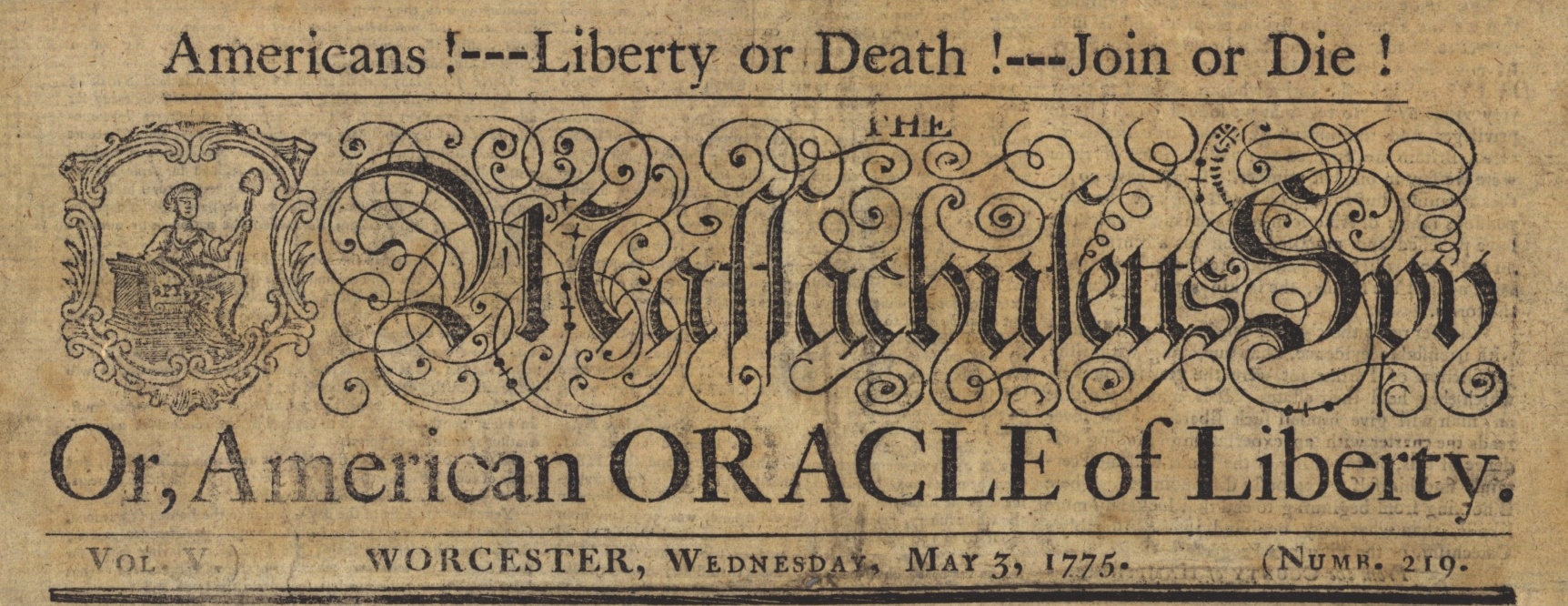
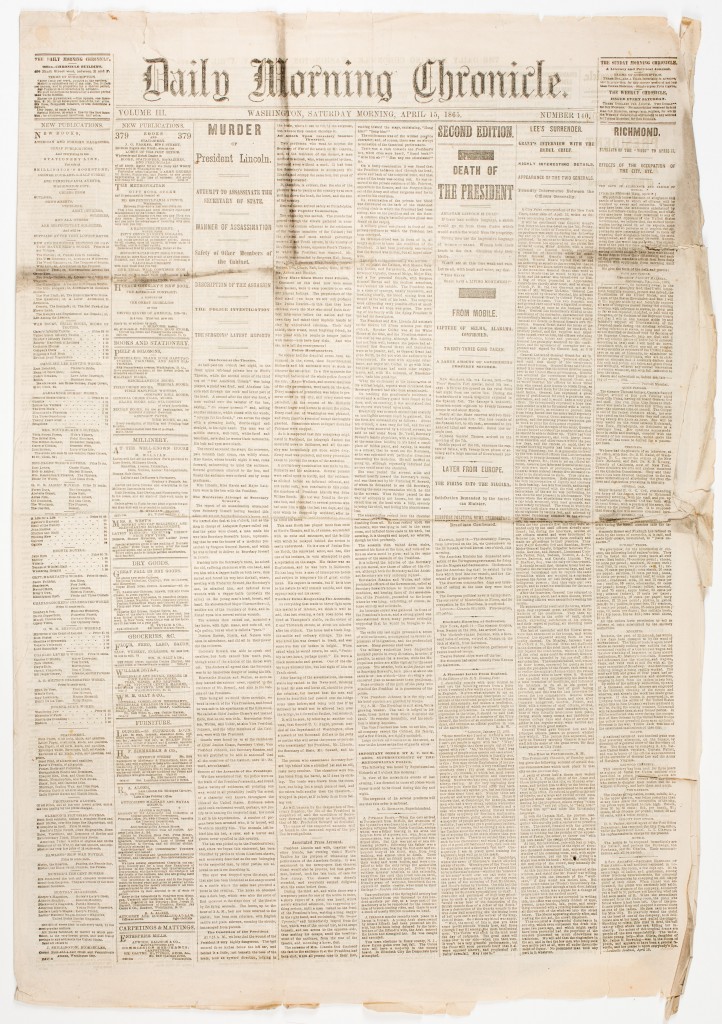 In May I picked up a large collection of newspapers from the Indiana State Library. It took 20 book cart loads to unload the back of the 26’ truck. There were a number of bundles of miscellaneous newspapers of single or scattered issues.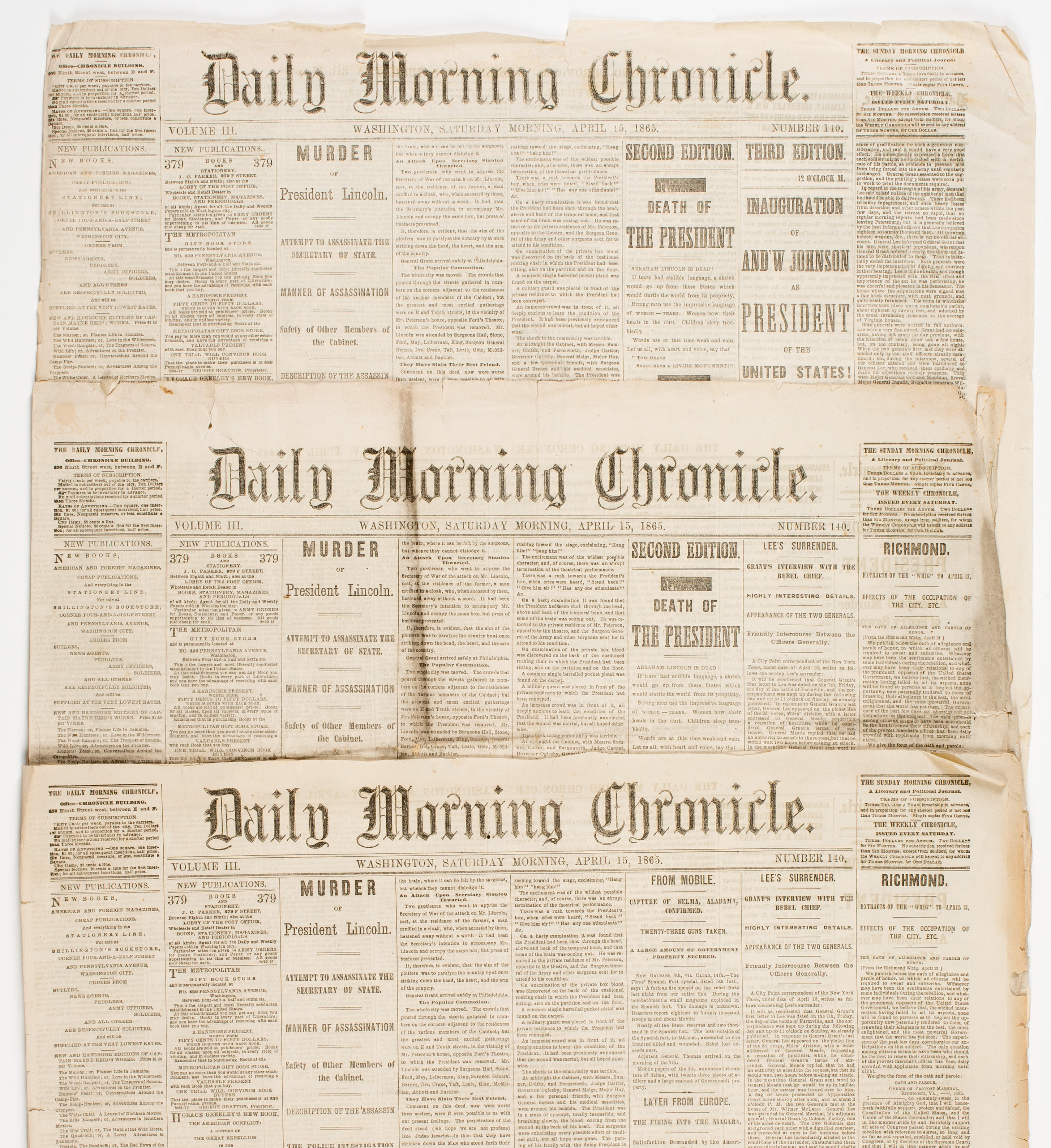
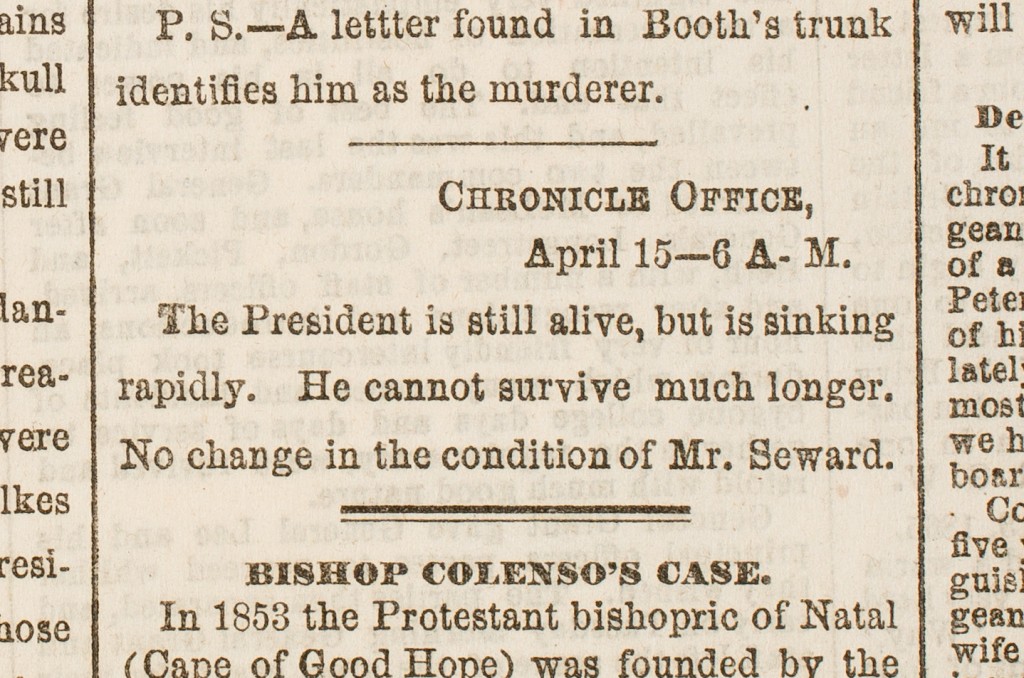 One thing that makes this set of papers interesting is that the newspaper was located on the same block as Ford’s Theatre. They were getting the news directly and not by telegraph. The first edition has the headline “Murder of President Lincoln.” Underneath it and inside there are a series of ongoing reports as they were received with the last one at 6 a.m.: “The President is still alive, but is sinking rapidly. He cannot survive much longer. No change in the condition of Mr. Seward.” Lincoln died
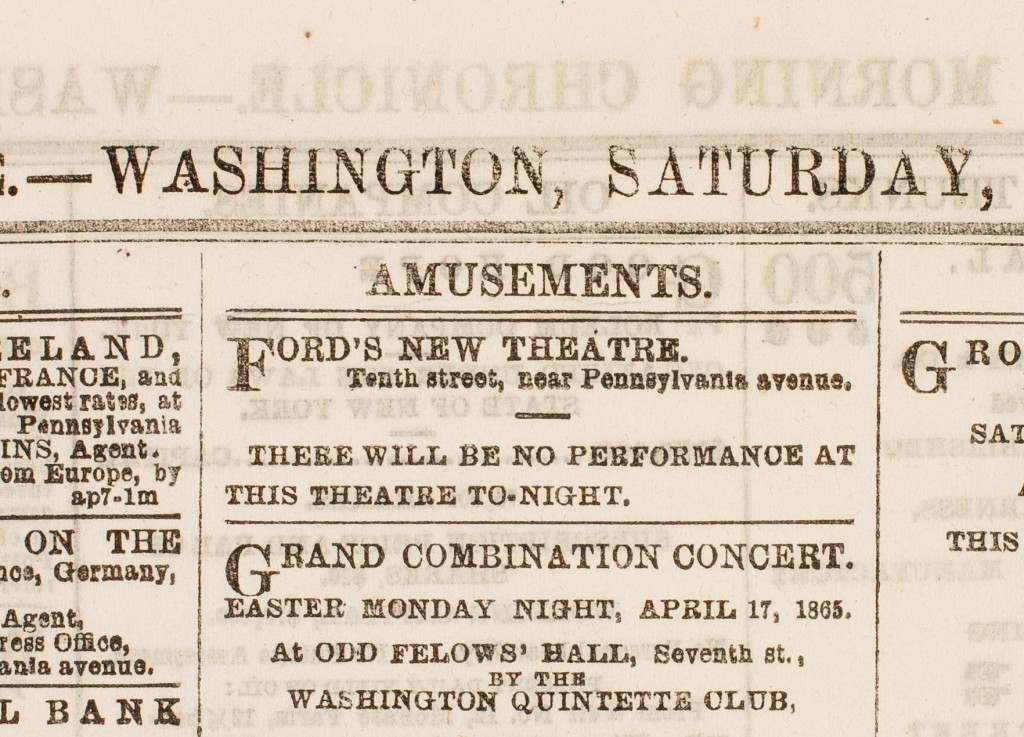 the next hour. The compositors must have stripped out the original columns of text and set the new reports as they came in. The second edition is later that morning and other material was removed or shifted on the front page. The third edition was at noon and has the news that Andrew Johnson has been sworn in. The three editions differ on the front page, but pages 2 through 4 stay the same throughout. On page 3 there is also an advertisement from Ford’s Theatre announcing there will be no performance that night.
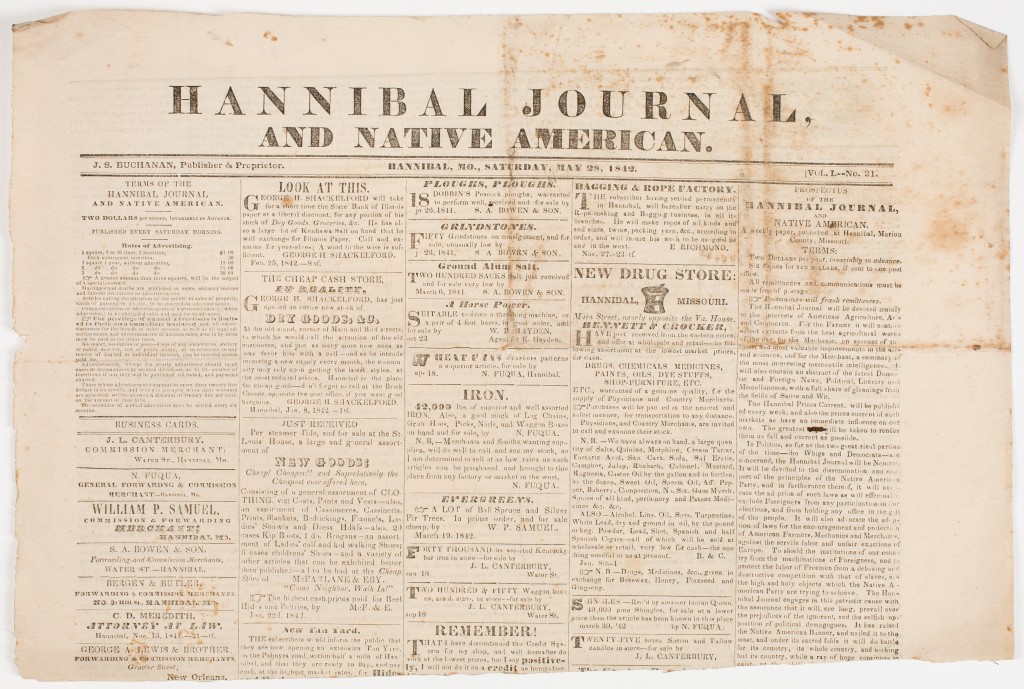 Even though this is just one-eighth of the complete issue it tells us a lot. It lists J.S. Buchanan as publisher and proprietor. The paper is published weekly, which gives the starting date as around the beginning of January. There are 15 different advertisers that can be found on the front side of the fragment. On the back side are a variety of articles copied from newspapers such as the Louisville Journal, Cincinnati Chronicle, Quincy Whig (IL), St. Louis Republican, Hunt’s Merchant’s Magazine, Boston Post, and the New Orleans Picayune, showing it exchanged issues with a number of newspapers.
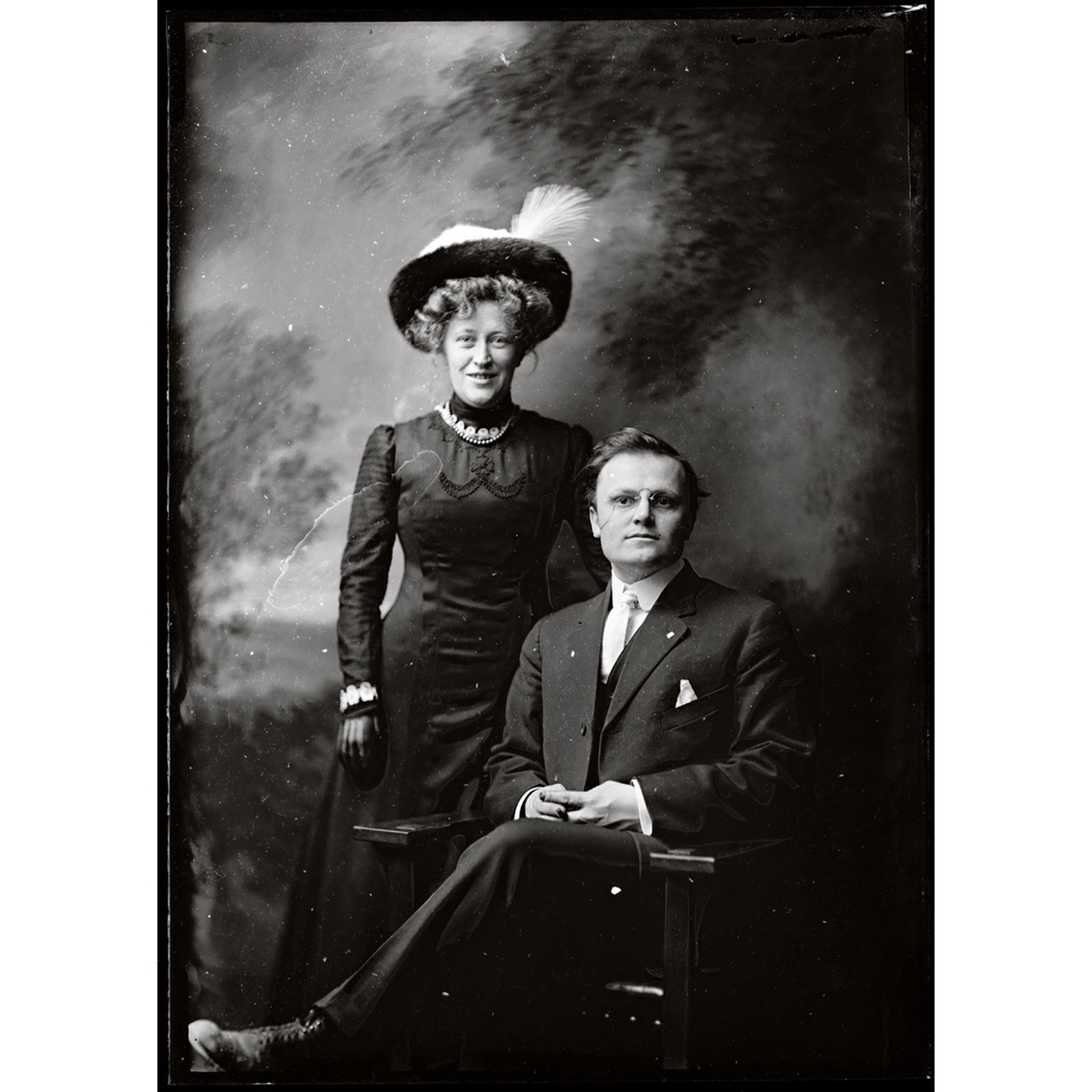
 In this program, Taylor will recount how a residency here at AAS helped her as she researched and wrote her latest book of poems, The Forage House. Her poems layer oral histories, documents, and folksongs to craft an exploration of her ancestors- a mix of New England missionaries and Southern slave owners, including Thomas Jefferson. Taylor’s poems are as much about the imperfect material of family stories as they are about the politically charged material of history. Natasha Trethewey, our current poet laureate, described The Forage House as “a brave and compelling collection that bears witness to the journey of historical discovery. Sifting through archives, artifact, and souvenir, Taylor presents dialectic of what’s recorded and what is not, unearthing the traces that give way to her own history – and a vital link to our shared American past.” Taylor researched The Forage House as a Robert and Charlotte Baron Creative Artist Fellow in 2006.
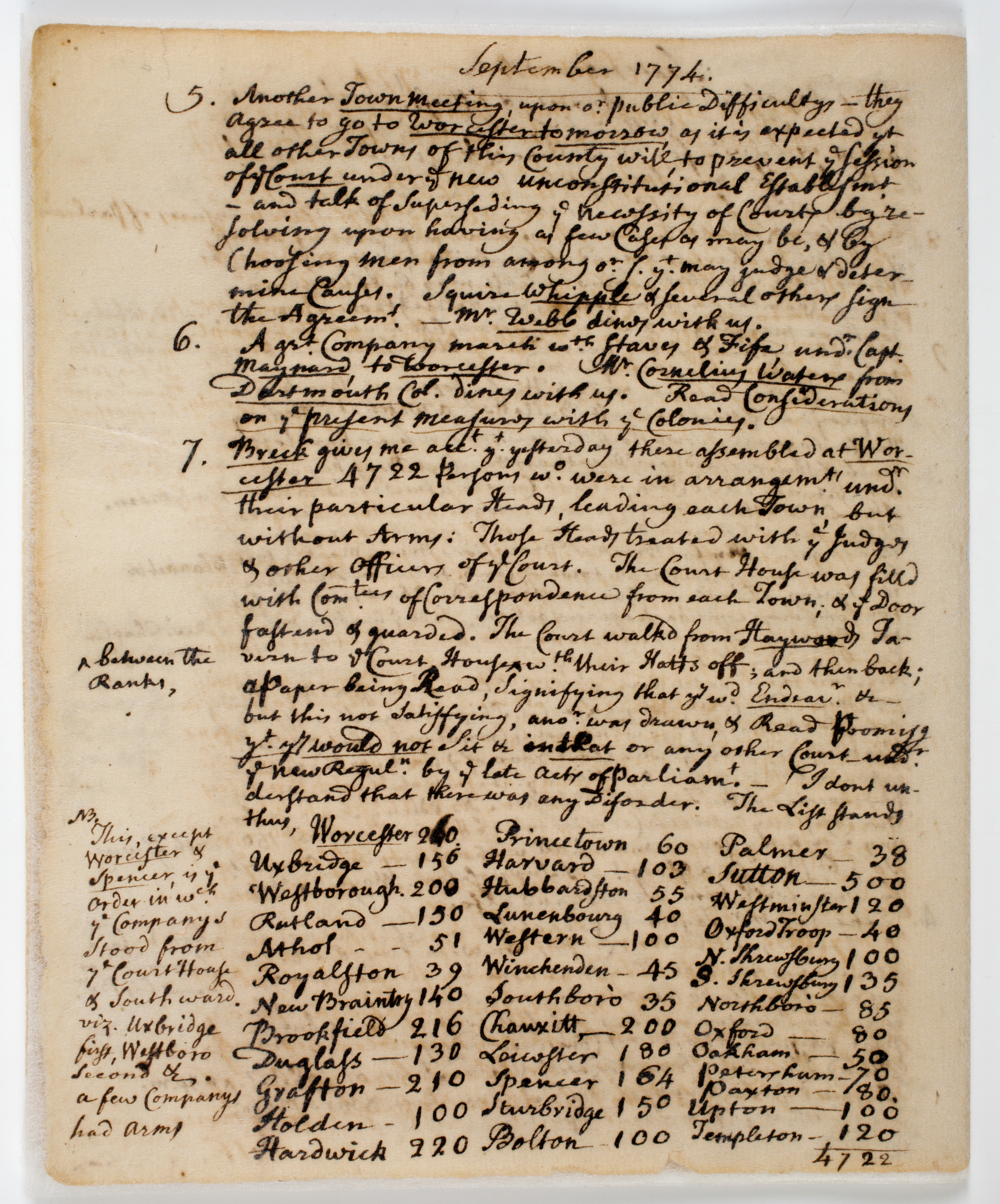
 two lines, they forced each court official, hat in hand, to disavow the recent Massachusetts Government Act, which revoked the Province’s charter and disenfranchised its citizens. With this dramatic action, all British authority vanished from Worcester County, never to return. While the actual war for American independence started in Lexington and Concord, the revolution – the actual transfer of political and military authority – occurred here in Worcester nine months earlier.