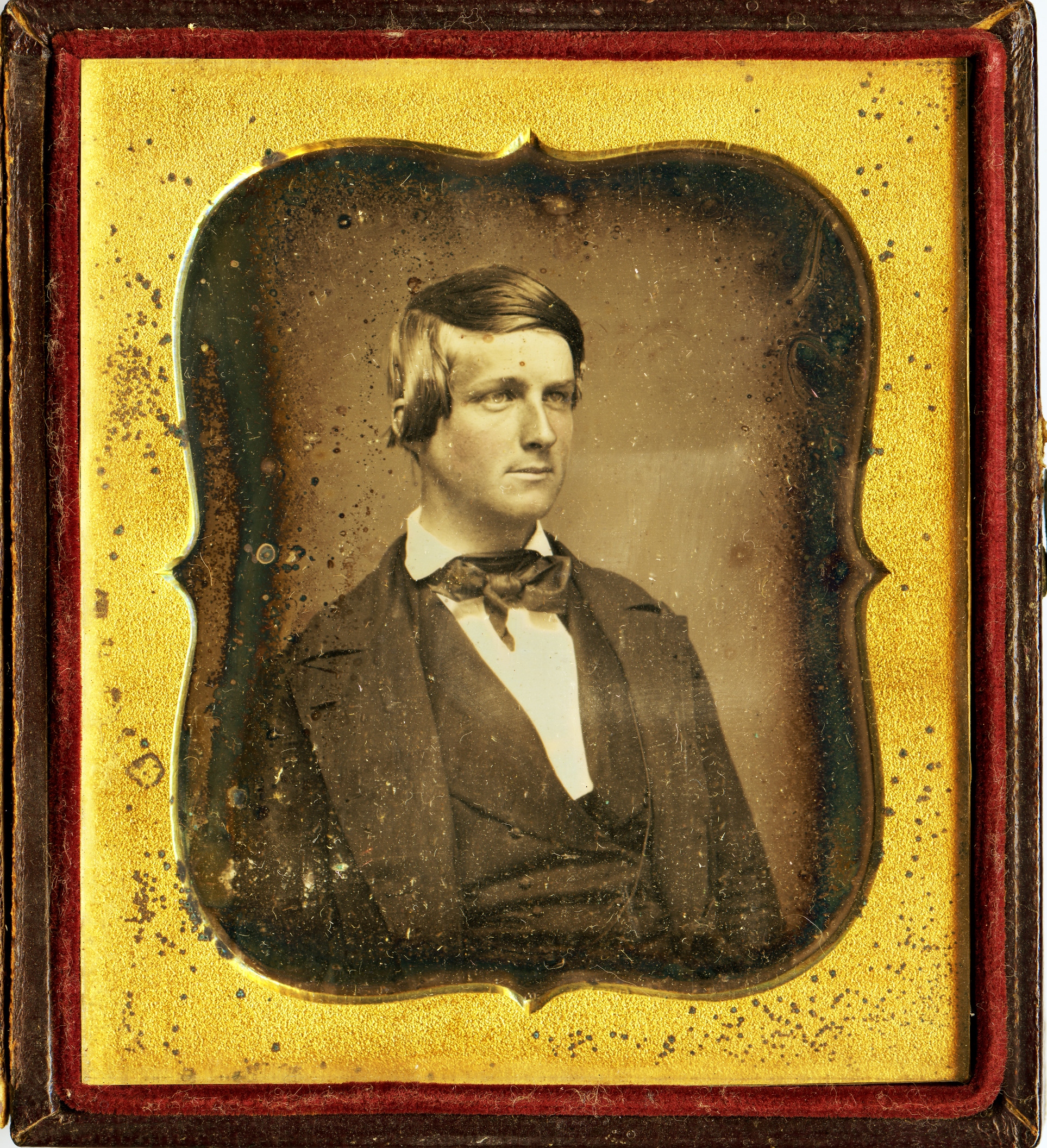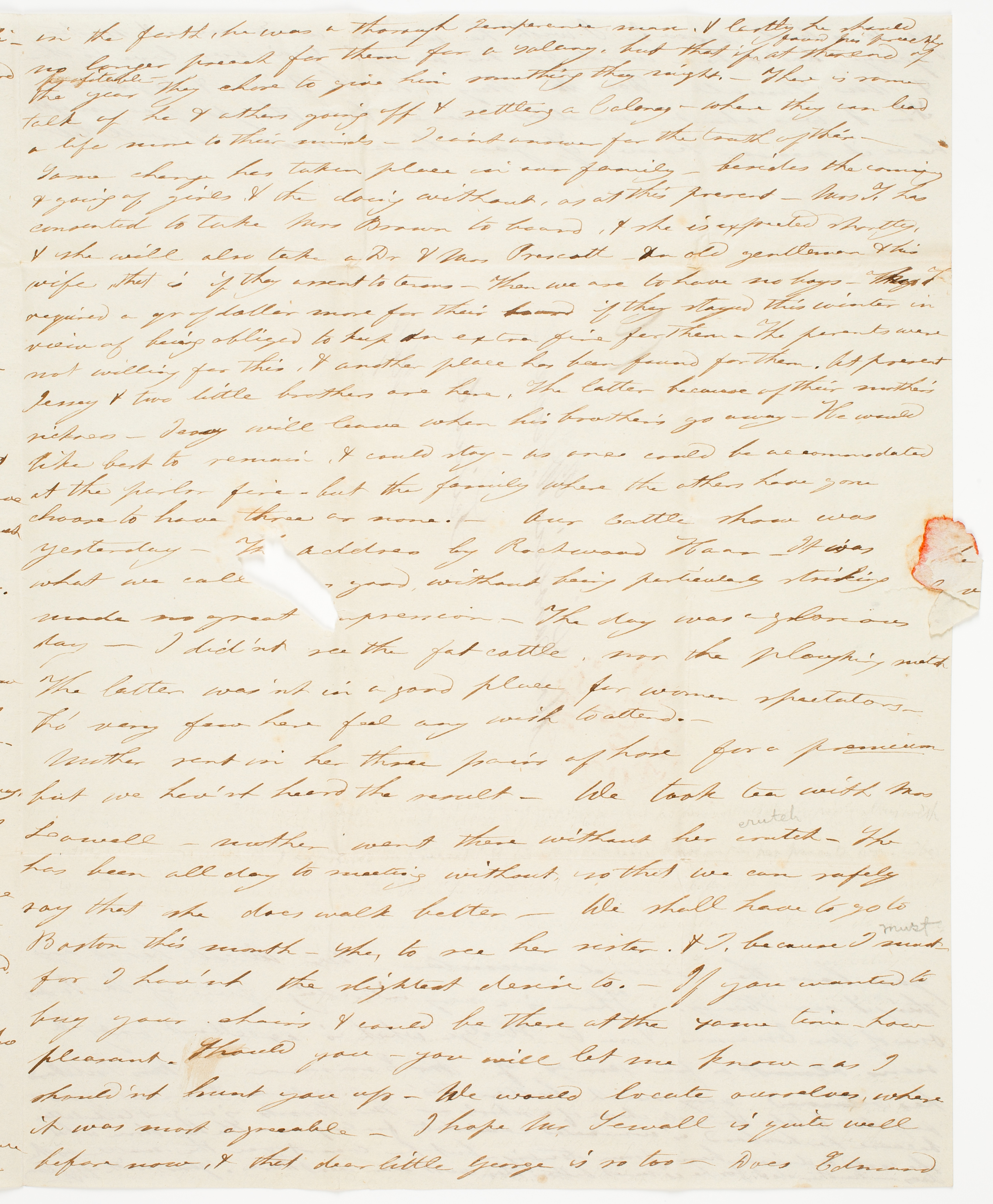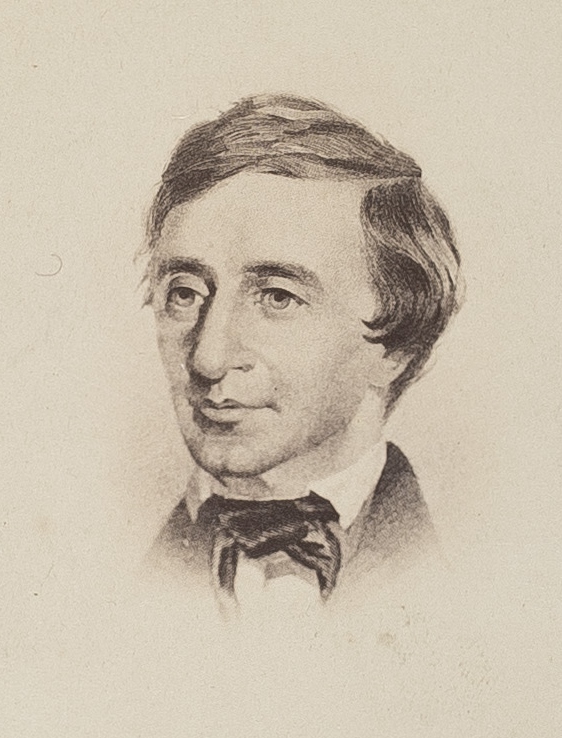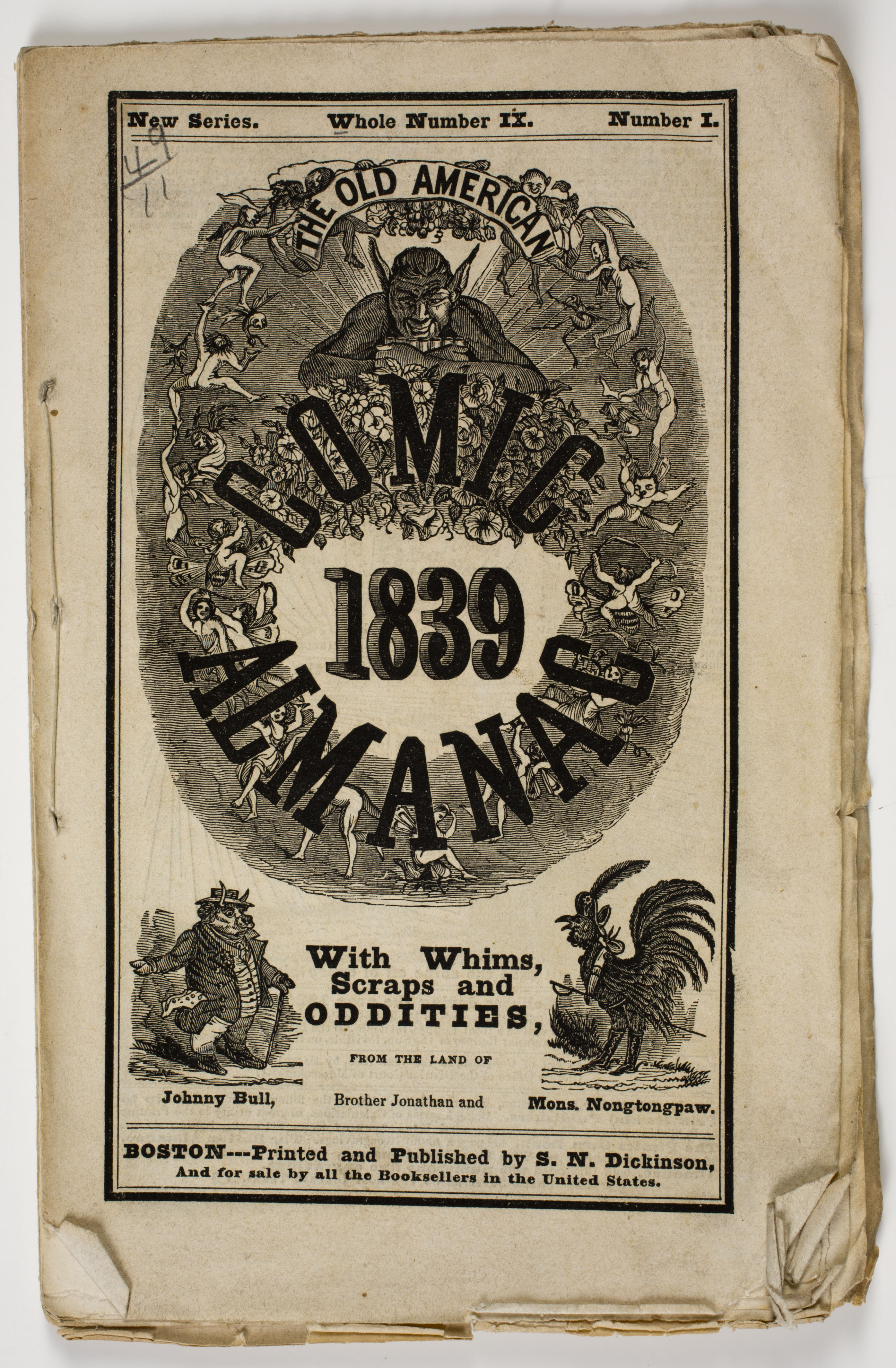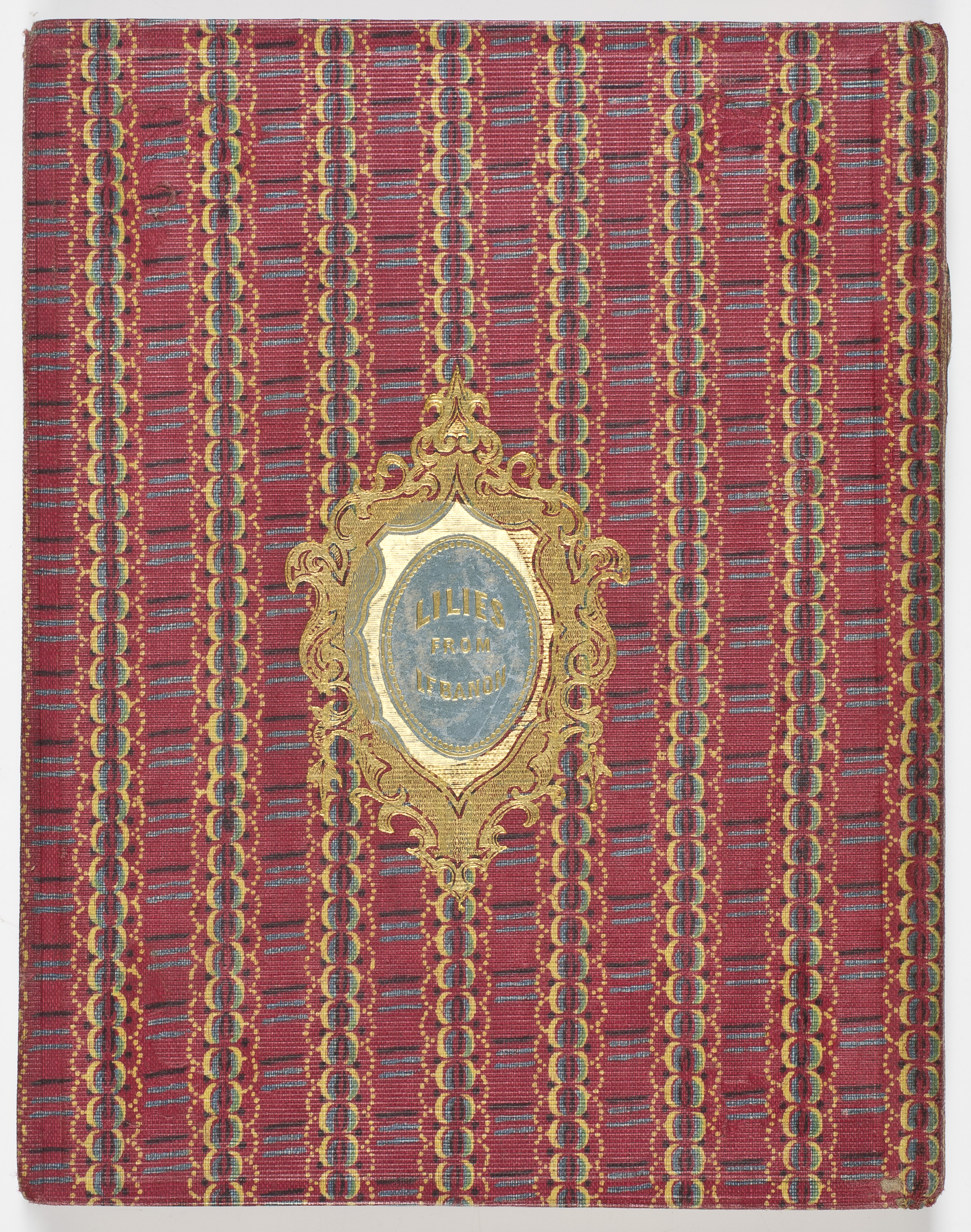
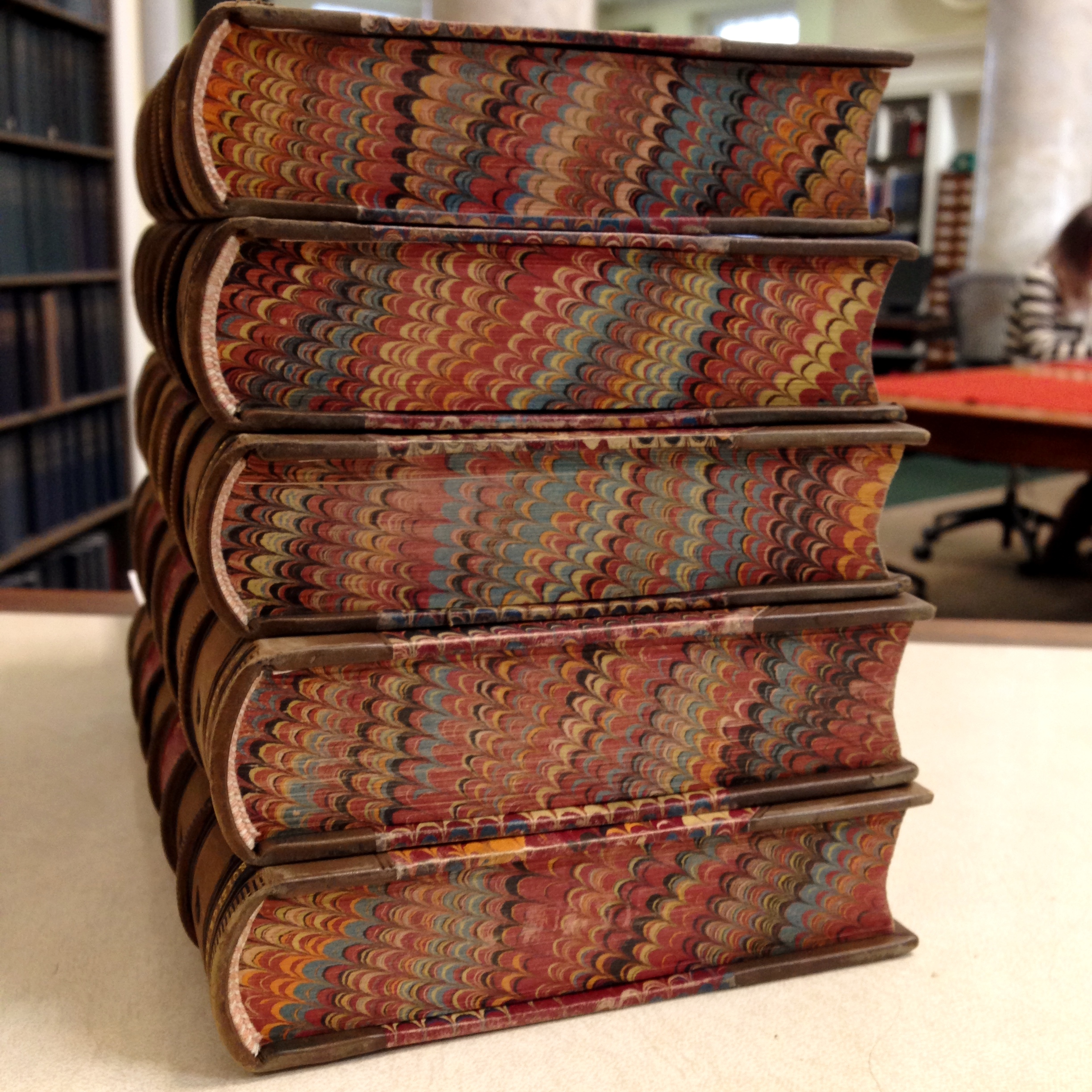
Over the last couple years, the “MarbledMonday” hashtag has taken off on the AAS Instagram feed, becoming one of our most popular regular features (competing with other favorites like “Caturday” and “Frankenbooks”). Every Monday, we show off a striking example of what are the most colorful features on historical book bindings: their marbled papers, edges, and cloths. A recent photo of some rainbow-colored marbled edges received over 1,000 likes, placing it among the all-time most-liked posts on the AAS feed. We consistently see our IG followers excited by the vivid hues and complex patterns of eighteenth- and nineteenth-century marbling; we even hear from the talented artists who are marbling papers today. People have posted countless comments noting the beauty of marbled papers and expressing enthusiasm for the #MarbledMonday feature.
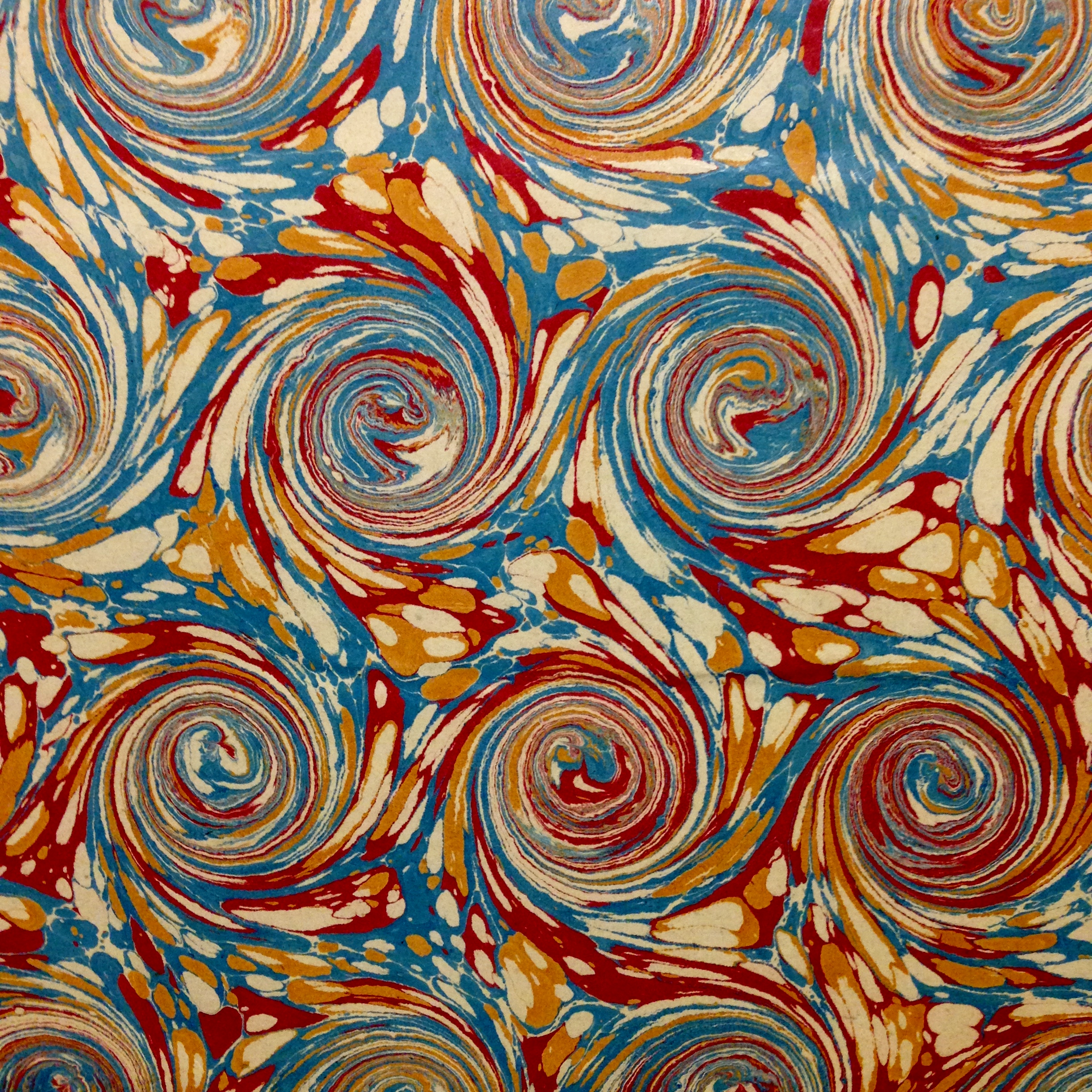
![[Unused marbled sheets]. These sheets were marbled by artists at The Marbler’s Apprentice. (http://www.marblersapprentice.com/)](https://pastispresent.org/wp-content/uploads/image_2.jpg)
The art of marbling paper originated in Asia—with the Japanese art of suminagashi and the Turkish ebrû form—and eventually made its way toward Europe around the time of the Renaissance. By the end of the seventeenth century, marbling was fairly well established in France and Germany; from this point on, Europeans no longer needed to rely on imports from Turkey for their supply of marbled papers. In these early years of European marbling, the patterned papers were used for both fancy book bindings and for everyday decorative purposes. In Germany especially, marbled papers were used to decorate walls and adorn cherished albums. By the middle of the eighteenth century, marbling had spread to almost all of Europe, Britain included. The English became deeply interested in the craft, and quickly developed a robust marbling industry. From Britain, marbled papers would make their way across the Atlantic to reach American shores. The earliest examples of American marbling can be traced to the 1760s, but the art form did not become an industry until the first half of the nineteenth century. For this reason, most of the marbled papers in the AAS collection are from the 1830s and beyond. There are a few notable exceptions, however, including pieces of Revolutionary currency that used marbling as an anti-counterfeiting measure—an innovation championed by none other than Ben Franklin.
![[Continental currency]. Philadelphia: 1775. This early American currency includes a strip of wide-comb marbling as an anti-counterfeiting measure.](https://pastispresent.org/wp-content/uploads/image_5.jpg)
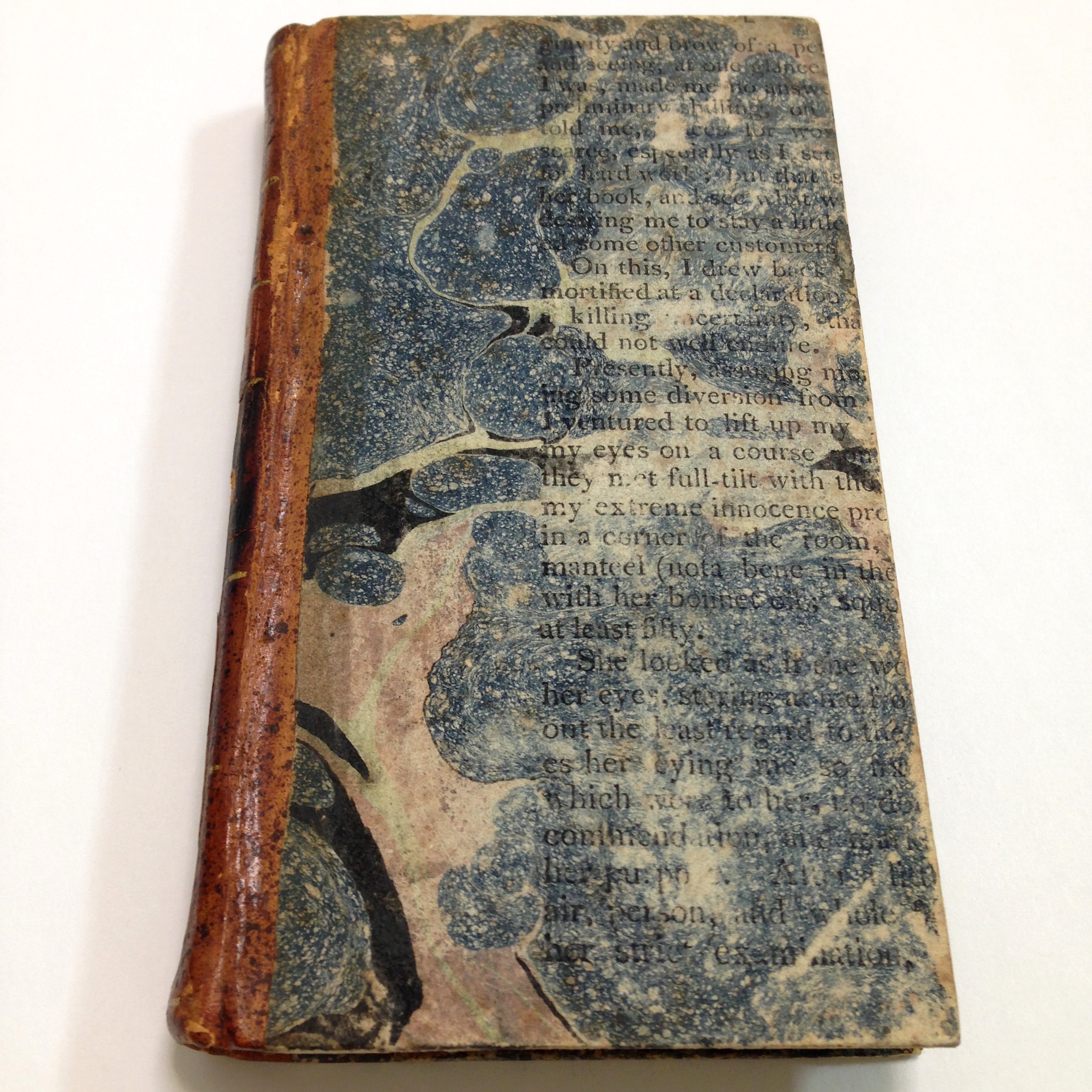
In the early republic, resources were scarce and knowledge about non-essential crafts such as marbling was not widespread. There were very few American marblers at the turn of the nineteenth century, and those practicing the craft were forced to make do with less. Nowhere is this better illustrated than with the practice of “overmarbling,” a process that involved marbling over the printed text on discarded sheets. In the AAS collections there are a number of examples of early American overmarbling; after decades of fading, you can now see the text of the discarded sheets through the marbling. Using such thrifty and practical techniques, marblers in the early republic slowly but surely built up an industry. In the 1840s and ‘50s, American marbling finally reached its industrial age, and saw its previously steady growth explode. Many of the newly created publishing houses began using steam engines and other machines to speed up certain parts of the marbling process in the 1840s. In 1856, the publication of James B. Nicholson’s A Manual of the Art of Bookbinding allowed the craft to widen its reach across America, as the book’s detailed description of marbling processes was the first of its kind to be printed in the country. After these watershed events, marbled paper soon became a mainstay of American bookbinding. Most of the examples featured on the AAS Instagram feed come from this “Golden Age” of American marbling.
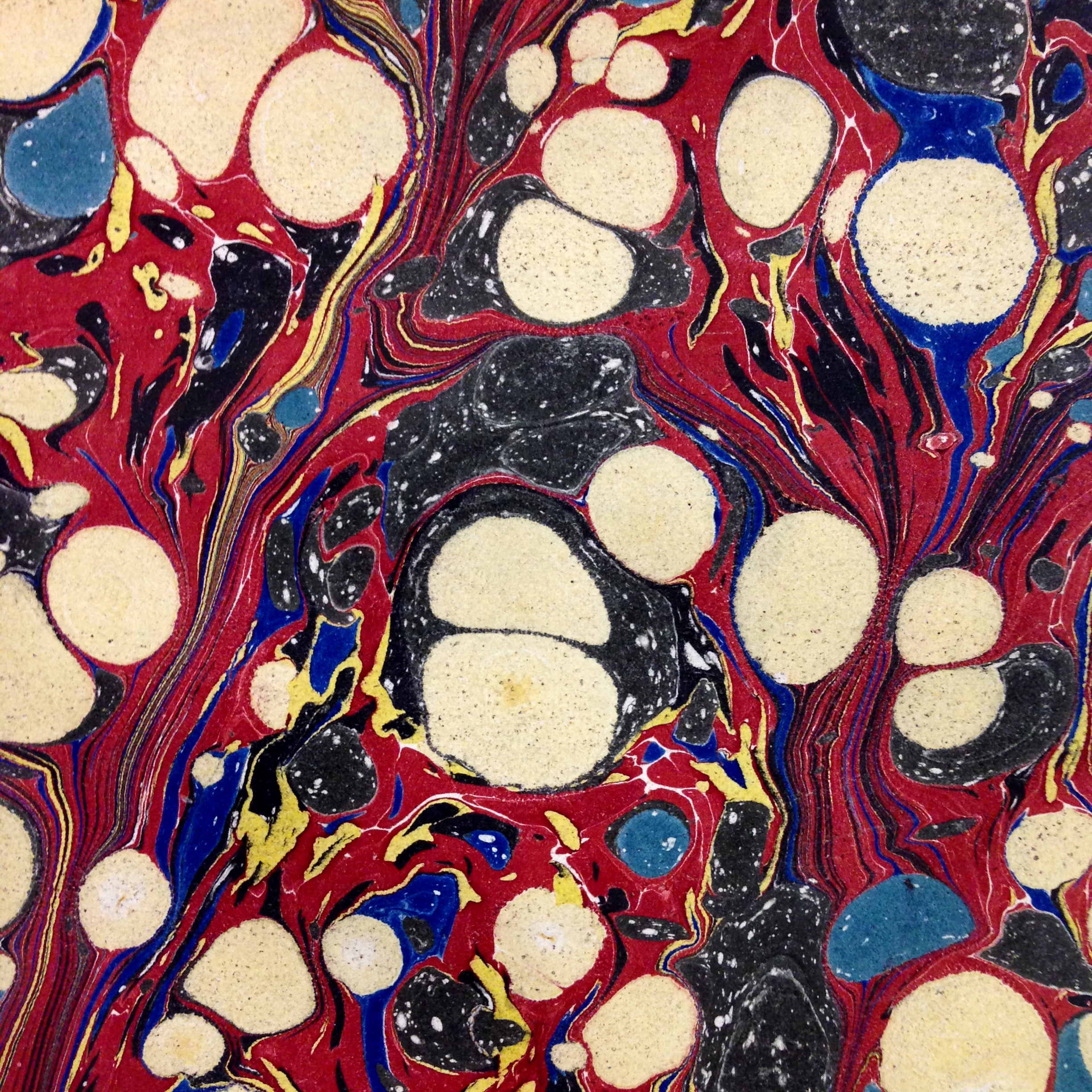
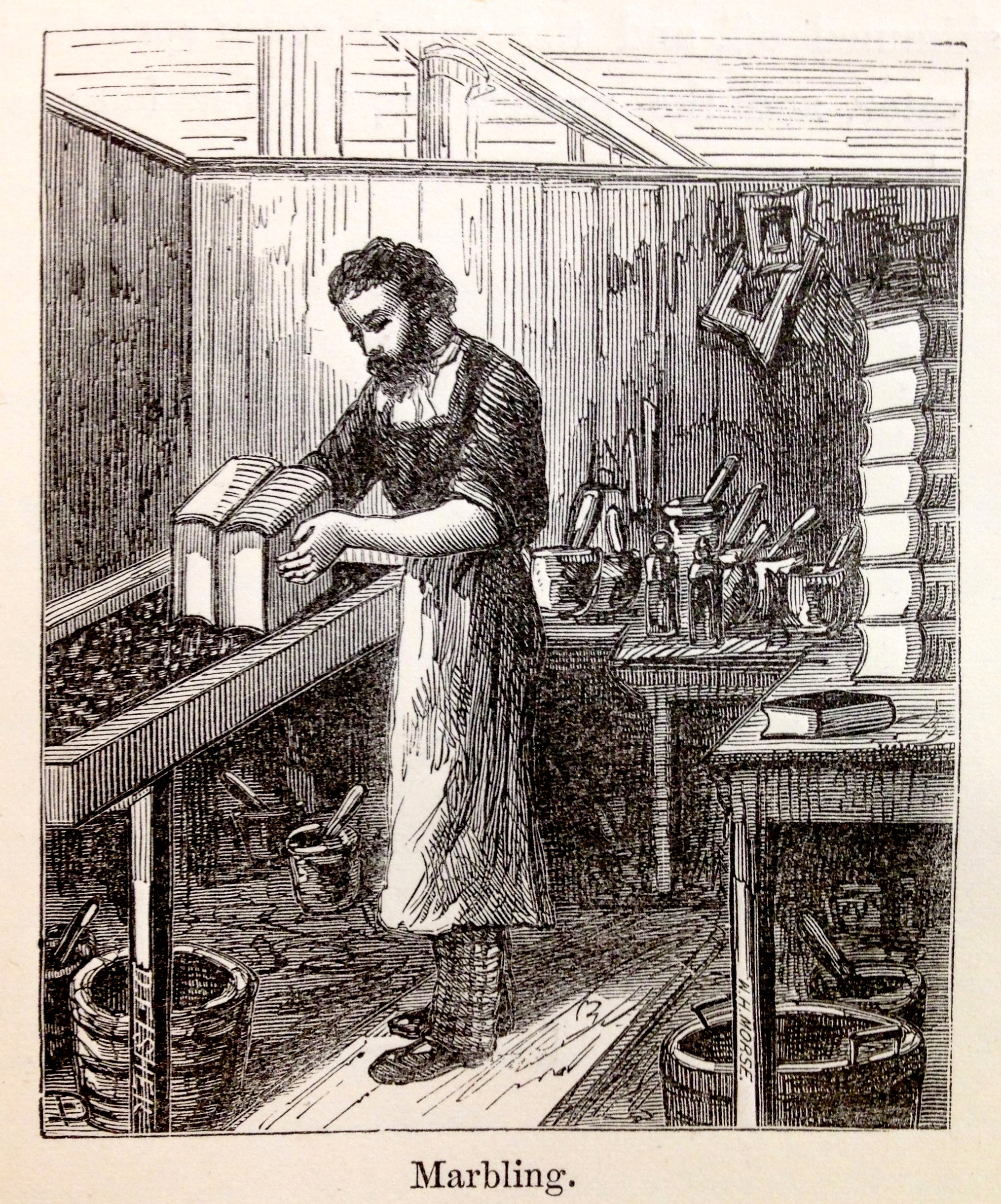
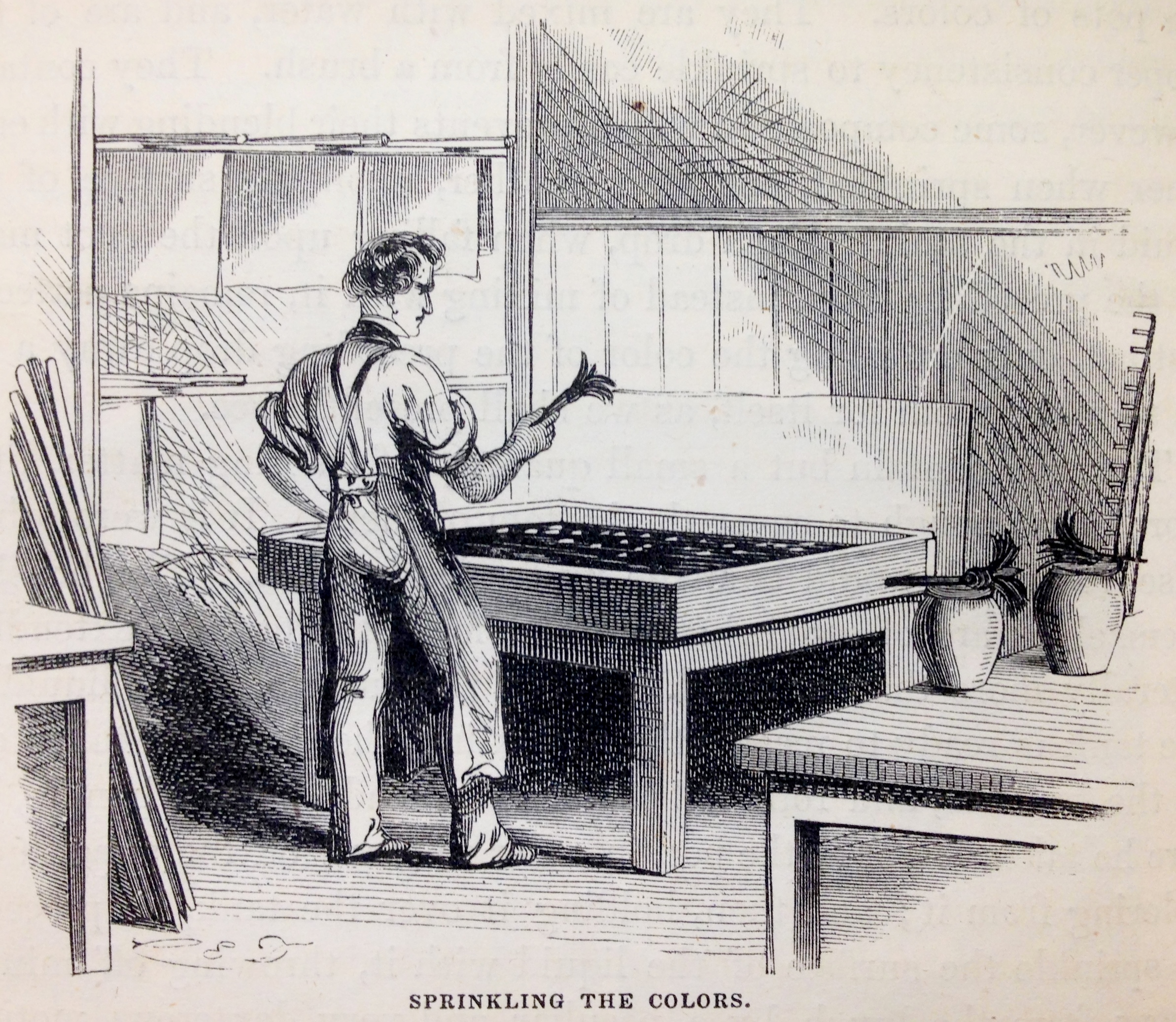
Even with help from machines, marbling was (and still is) a difficult and complex process, involving many hard-to-control factors. According to Abbott, a “good marbler” must have “excellent judgment and taste, as well as great skill.” The process starts with the placing of chemicals and pigments in a water bath, but the element of “great skill” comes into play when the artist begins to manipulate the floating pigments to create patterns. The marbler needs a deft hand and fine discernment in order to create something beautiful. Many patterns require a series of precise movements to be executed properly, and many also require the application of chemical dispersants at particular stages. It is certainly a lot to keep track of! When done right though, marbled paper and cloth can be truly remarkable, as fans of #MarbledMonday have long known. Here are some notable Instagram hits (and a few sneak peeks!), along with descriptions of the patterns on display:
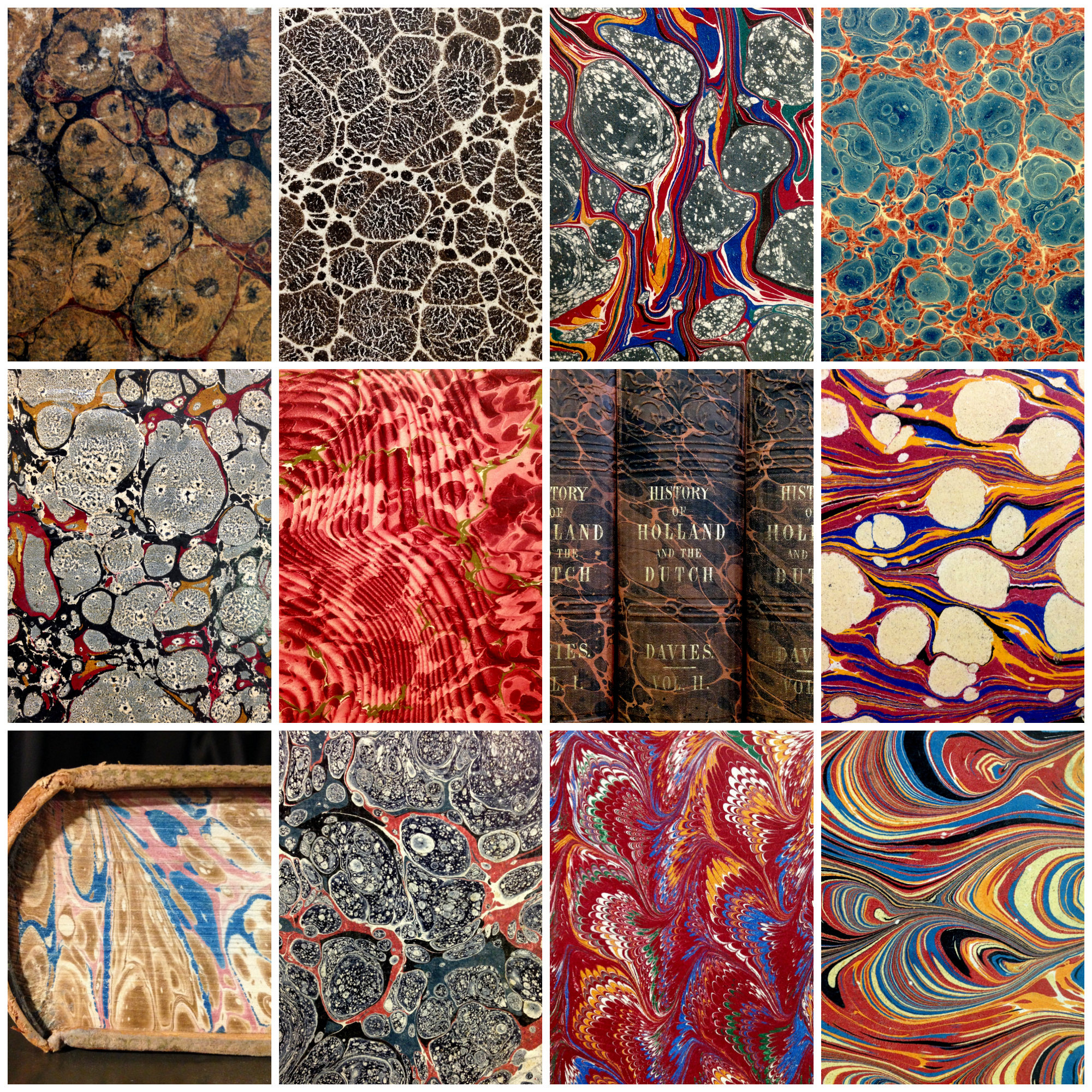
- Top row, left to right: Tiger eye pattern, New York, 1831; Romantic pattern, New York, 1860; Gloster pattern, Worcester, 1820; Shell pattern, circa 1807.
- Middle row, left to right: Schrottel pattern, Albany, 1836; Spanish moiré with gold veins, Lowell, circa 1840; Marbled cloth binding, London, 1851; Zebra pattern, New York, 1854.
- Bottom row, left to right: Edge marbled in shell pattern, Philadelphia, 1844; Stormont pattern, circa 1830; Serpentine combed pattern, Boston, 1865; Peacock pattern, Philadelphia, 1856.

 Every quarter at AAS we release a list of recent publications by those who have researched at the library as fellows, members, or readers. To see this list, as well as a list of works published from 2000-2014, please visit our