The Acquisitions Table: Fate of the Rebel Flag

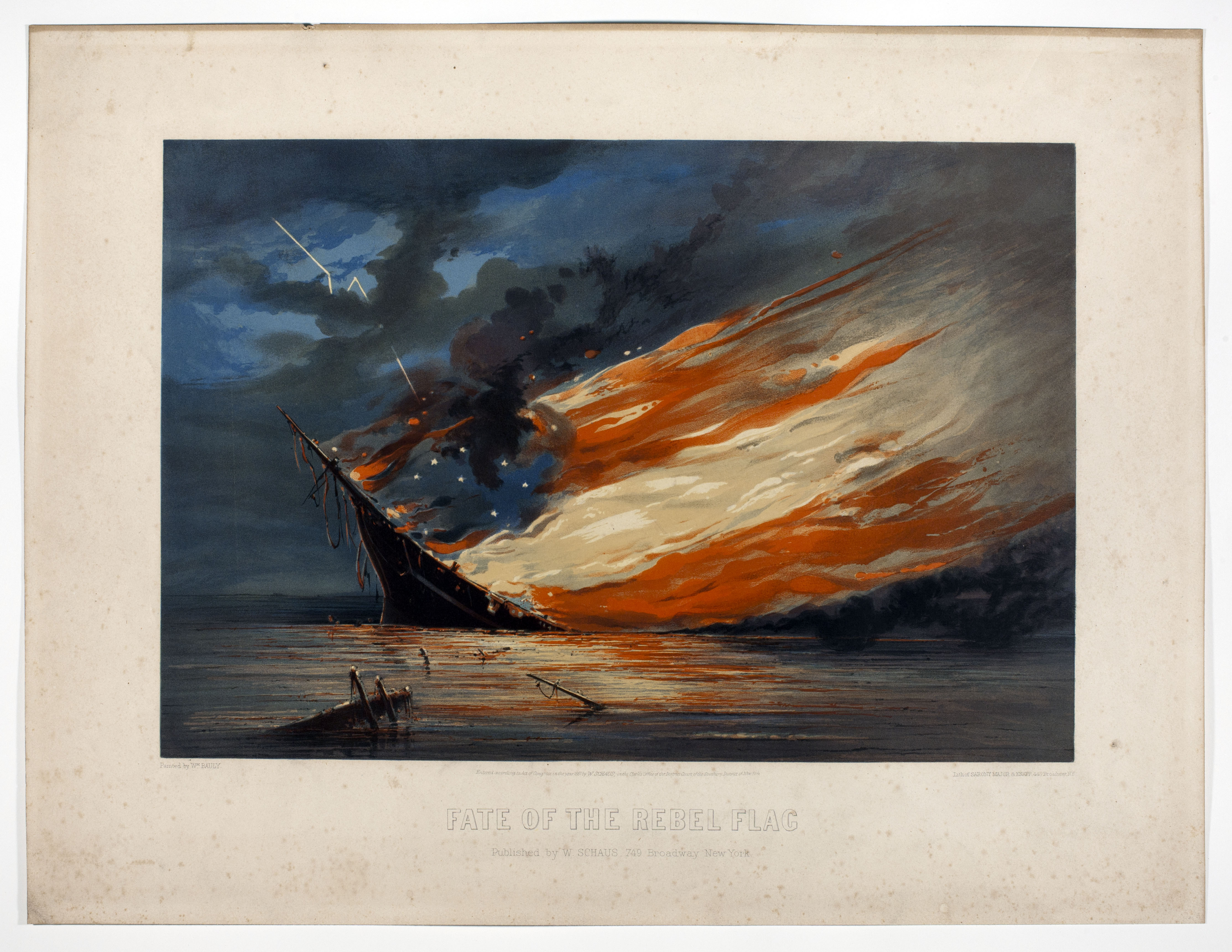
Fate of the Rebel Flag. Painted by William Bauly, lithographed by Sarony, Major & Knapp. New York: William Schaus, 1861).

Due to the approaching 150th anniversary of the American Civil War, several examples from AAS’s holdings of war images and broadsides will appear in loan exhibitions and as reproductions in upcoming publications. This chromolithograph from a Connecticut estate was offered for sale to AAS. It is one of a pair of images that were issued in 1861 by William Schaus to take advantage of the patriotic fever that gripped the North after the attack on Fort Sumter. In this print the burning ship represents the Confederacy, which is sinking and being struck by lightning. The flames form the modified flag of the South with seven stars to represent the seceding states. AAS is still seeking the companion print, Our Heaven Born Banner, which shows the American flag as a sunset with a Union soldier standing at attention in the foreground. Purchased from John Perch. Print Acquisitions Fund.

Henry David Thoreau meets Cotton Mather at the Antiquarian Society

The following post comes to us from AAS reader Peter MacInerney.

Early in January 1855, a Concord-based free-lance writer, occasional surveyor, and sometime lecturer, visited the American Antiquarian Society at its then-new building.  This second Antiquarian Hall had been completed little more than one year before, after the Society outgrew its original building. The visitor recounted that day as follows:

Jan. 4. To Worcester to lecture. Visited the Antiquarian Library of twenty-two or twenty-three thousand volumes. It is richer in pamphlets and newspapers than Harvard. One alcove contains Cotton Mather’s library, chiefly theological works, reading which exclusively you might live in his days and believe in witchcraft. Old leather-bound tomes, many of them black externally as if they had been charred with fire. Time and fire have the same effect. Haven said that the Rev. Mr. Somebody had spent almost every day the past year in that alcove.

The visitor who wrote this account was Henry Thoreau (1817-1862), author of the just-published Walden, or, Life in The Woods (1854).

In Thoreau’s account of his visit, he refers to Cotton Mather (1663-1728), an American icon (unfairly) stigmatized as a witch-hunter. Mather was a Boston Puritan pastor and owner of a library said to hold more volumes than any other in North America. Many Mather items — written by Cotton and other Mathers or held in their libraries — are now housed at the Society’s current building (built in 1909 and expanded most recently  in 2001).

In the quote above, Thoreau also referred to “Haven,” or Samuel Foster Haven (1806-1881).  Haven had been the Society’s Librarian since 1838. The “Rev. Mr Somebody” observed by Thoreau, and described by Haven, remains unidentified.

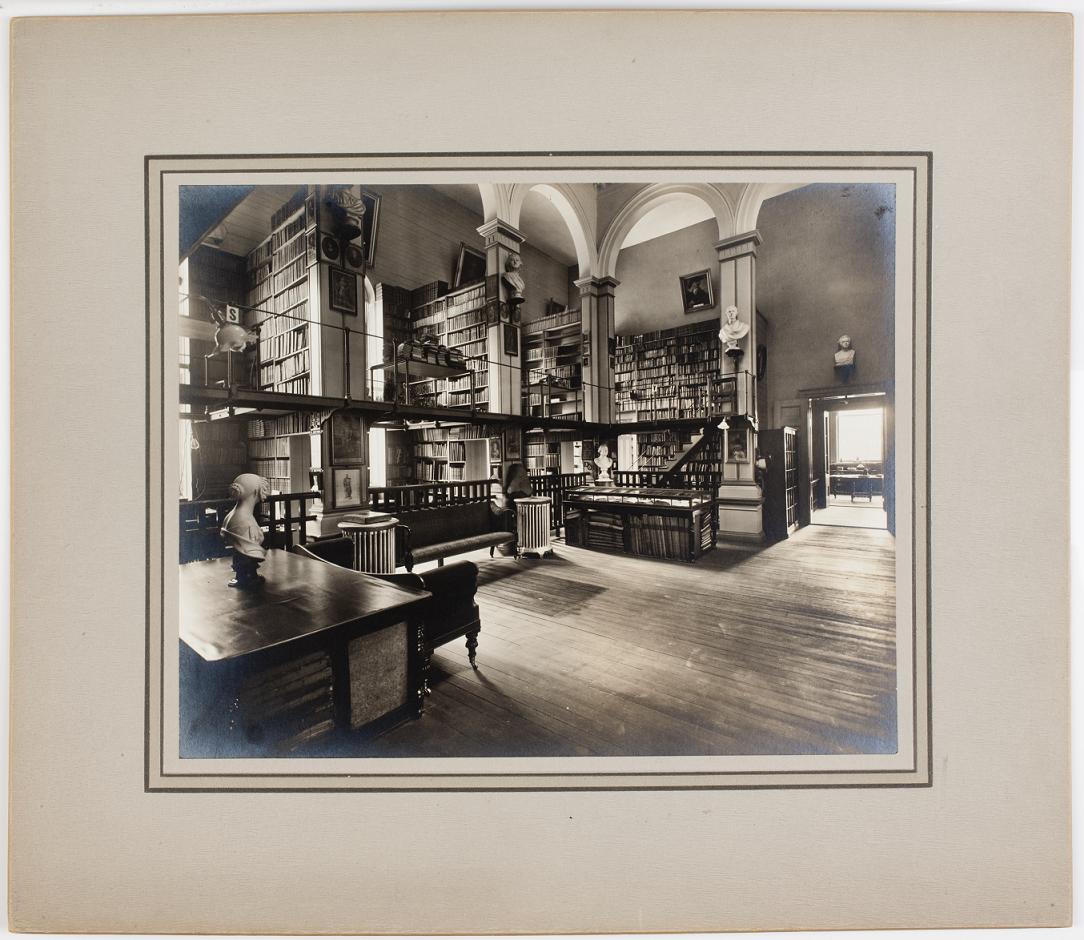
The interior of the 1853 Antiquarian Society building that Thoreau visited and the reverend gentleman patronized — handling perhaps hundreds of Mather’s old leather tomes, black with time  — appeared as shown in the photograph below.

The Antiquarian Society’s Mather holdings include two groups: the Mather Family Collection contains works written by members of the Mather family, including Cotton Mather, and the Mather Family Library consists of works once owned by Mather family members. Some four hundred eighty-nine books, pamphlets, and sermons written by Cotton Mather are listed in the Society’s online catalog, and many are available digitally on Early American Imprints, Series 1:  Evans Digital Edition.

Society-held items written by Cotton Mather certainly do include “chiefly theological works,” as Thoreau may have learned from Haven. Cotton Mather was concerned professionally with matters of belief and witness and doctrine. He was the son of the Reverend Richard Mather, whom Cotton succeeded as minister of the North Church and served some forty-three years.

Mather’s most famous work – though, like most, rarely read — is titled Magnalia Christi Americana (1702), an account of the great progress of Christ in the New World. The Society holds several American imprint editions of that work. But the breadth of the Society’s collection of American imprints of Cotton Mather’s writings reveals the extent of Mather’s career as an Early American Protestant cleric. His A, B, Cs of Religion instructed children, converts, and their teachers. As wartime minister, he delivered “A Discourse” titled Souldiers Counselled and Comforted (1689) addressed to “Forces engaged in the JUST WAR…against the Northern and Eastern Indians.”  Mather preached hundreds of sermons, some of which were printed at his own expense and distributed free. What’s more, Cotton Mather’s writings held at the Antiquarian include works of natural philosophy and epidemiology, including urging of inoculation against smallpox.   Such achievements that earned Mather election as a Fellow of England’s Royal Society.

Much of the scholarship about Cotton Mather was produced in part by means of the two groups of American Antiquarian Society holdings: the Mather Family Collection and the Mather Family Library (the single largest gathering in the world of texts written and owned by Mathers).  These works include Kenneth Silverman’s 1984 Pulitzer Prize-winning biography, The Life and Times of Cotton Mather, and William Van Arragon’s forthcoming Cotton Mather as American Icon.

If Henry Thoreau and Librarian Samuel Foster Haven and Reverend Mr. Somebody were to return to the Society today, they would find Cotton Mather’s old, black tomes not in an open, browsable alcove, but stored safely in a cool, climate-controlled vault. Here they sit, racked in hand-cranked, movable grey steel stacks, resting upon quiet shelves. But now the Concord visitor, the Worcester Librarian, and the Reverend could also search, retrieve and download virtual Mather volumes at a speed near light under the Antiquarian Society’s “generous dome.” Or if their research required it, such visitors may still obtain curatorial permission to examine the original volumes that were handled and written and read by Cotton Mather three centuries ago — old, leather-bound books, black externally, as if charred by a fire within Cotton Mather, a blaze bursting from the Boston pen and pulpit of an ardent “souldier” and American icon.

The Acquisitions Table: Walking from Boston to Washington

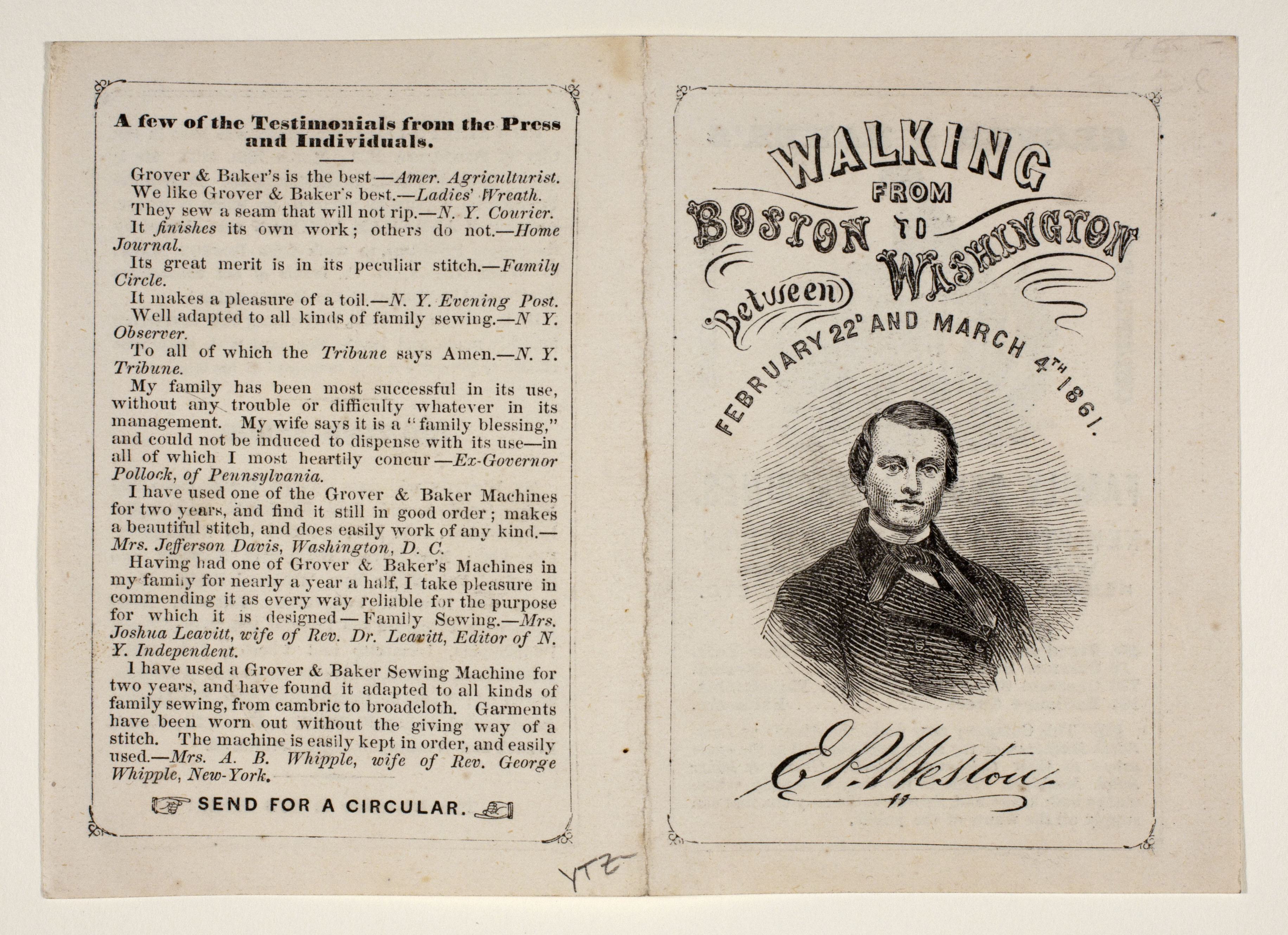
Walking from Boston to Washington between February 22d and March 4th 1861. Boston, 1861.

This small handbill records the unusual political activism of the Providence, RI, book publisher Edward Payson Weston (1839-1929). During the 1860 presidential campaign, Weston made a wager against the odds of Lincoln winning. If Lincoln won, Weston agreed to walk from Boston to Washington in ten days and to be present at the inauguration. Lincoln did win and Weston was successful in his 470 mile walk. In fact, he gave up book publishing to become a promoter of pedestrian sports and is today considered the father of race walking. AAS holds several books of poetry published by Weston in the 1840s, as well as a pamphlet he issued after his walk to Washington, DC. This handbill, which also includes an advertisement for a sewing machine company, states that Weston would “leave this card with those who choose to preserve it as a memento of his trip.” Purchased from Aiglatson. Ahmanson Foundation Fund.

~ Lauren Hewes

Everyone Loves a Wedding

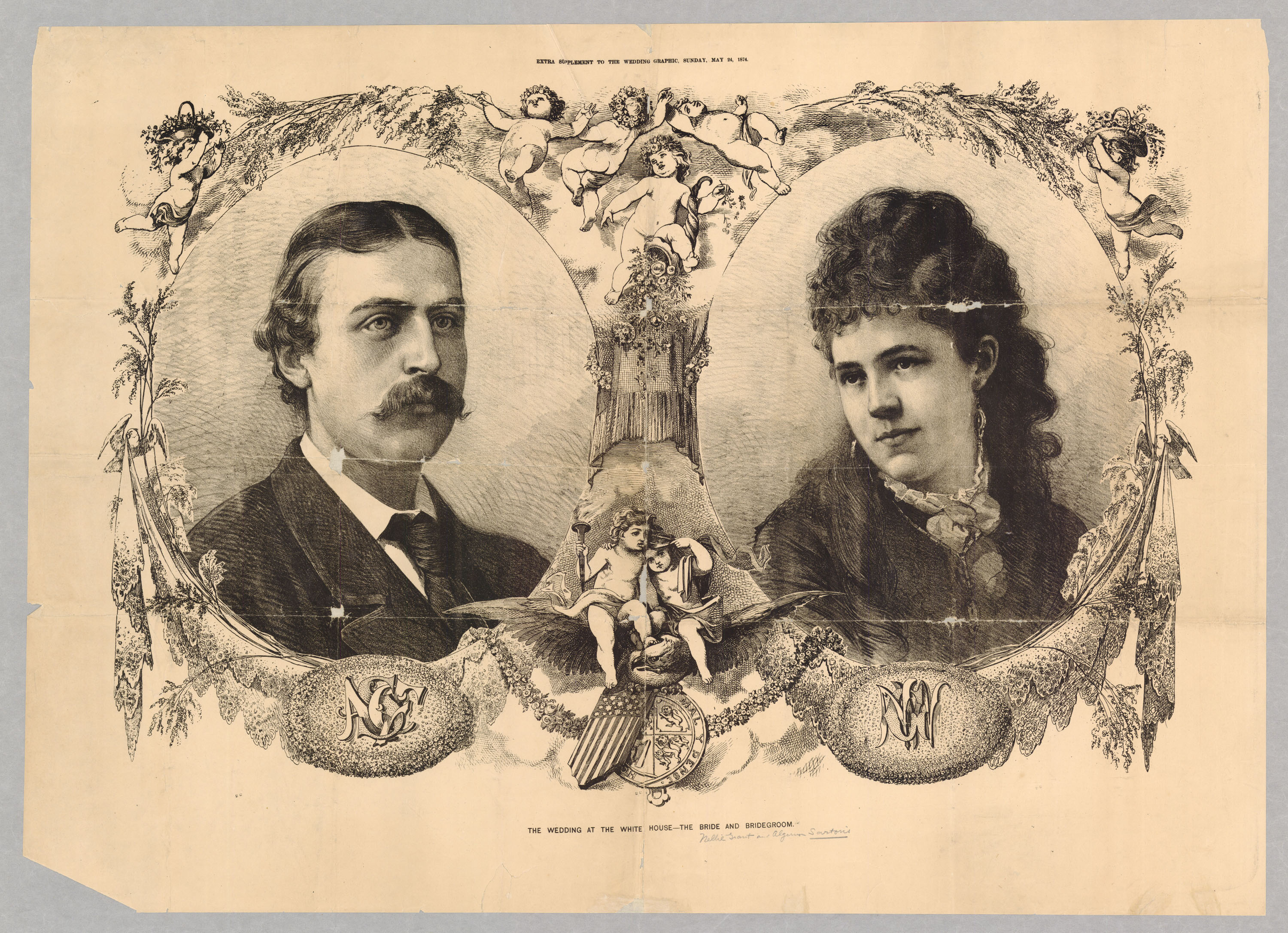
With all of the media buzz around the recent nuptials of Chelsea Clinton, I thought of another presidential wedding: the marriage of Nellie Grant to English aristocrat Algernon Sartoris in 1874.

Eighteen year-old Nellie Grant was the only daughter of Ulysses S. and Julia Grant.  She met Sartoris, the son of the famous singer Adelaide Kemble (sister of Fanny) and Algernon Sartoris Sr., on a steamship on her return voyage from Europe. The two immediately fell in love and became engaged. Apparently, the twenty-three year old Sartoris had a bit of a reputation as a womanizer, which led Gen. Grant to question whether he should allow this union, but he eventually acquiesced.

The marriage went off without a hitch on May 21, 1874 in the East Room of the White House. The magazines and newspapers of the day were abuzz with the details of the wedding, from the flowers and decorations, to the bridal gown, the guests, and the food.

The June 6 issue of Harper’s Weekly describes some of the gifts; “… a dessert-service of eighty four pieces [given] by Mr. George W. Childs, and a complete dinner-service by Mr. A.J. Drexel, the combined value of the two being $4500.” Harper’s also states that the couple received a “little” gift of $10,000 from Mr. Grant, and a silver Tiffany fruit dish that the bride supposedly swooned over.

An entire chapter in Grant’s 1885 biography by B. Poore and O.H. Tiffany is devoted to the event. Rev. O.H. Tiffany had officiated the ceremony as well. About two hundred and fifty guests attended the wedding in the East Room, where a platform was built so that all of the guests could see the ceremony.  The stage was “flanked by white columns wreathed with flowers, over which was a floral arch bearing a swinging marriage-bell of white roses. From this arch wreaths of flowers were carried to the covered window, forming a bower, and the back of which was the monogram of the happy pair.”

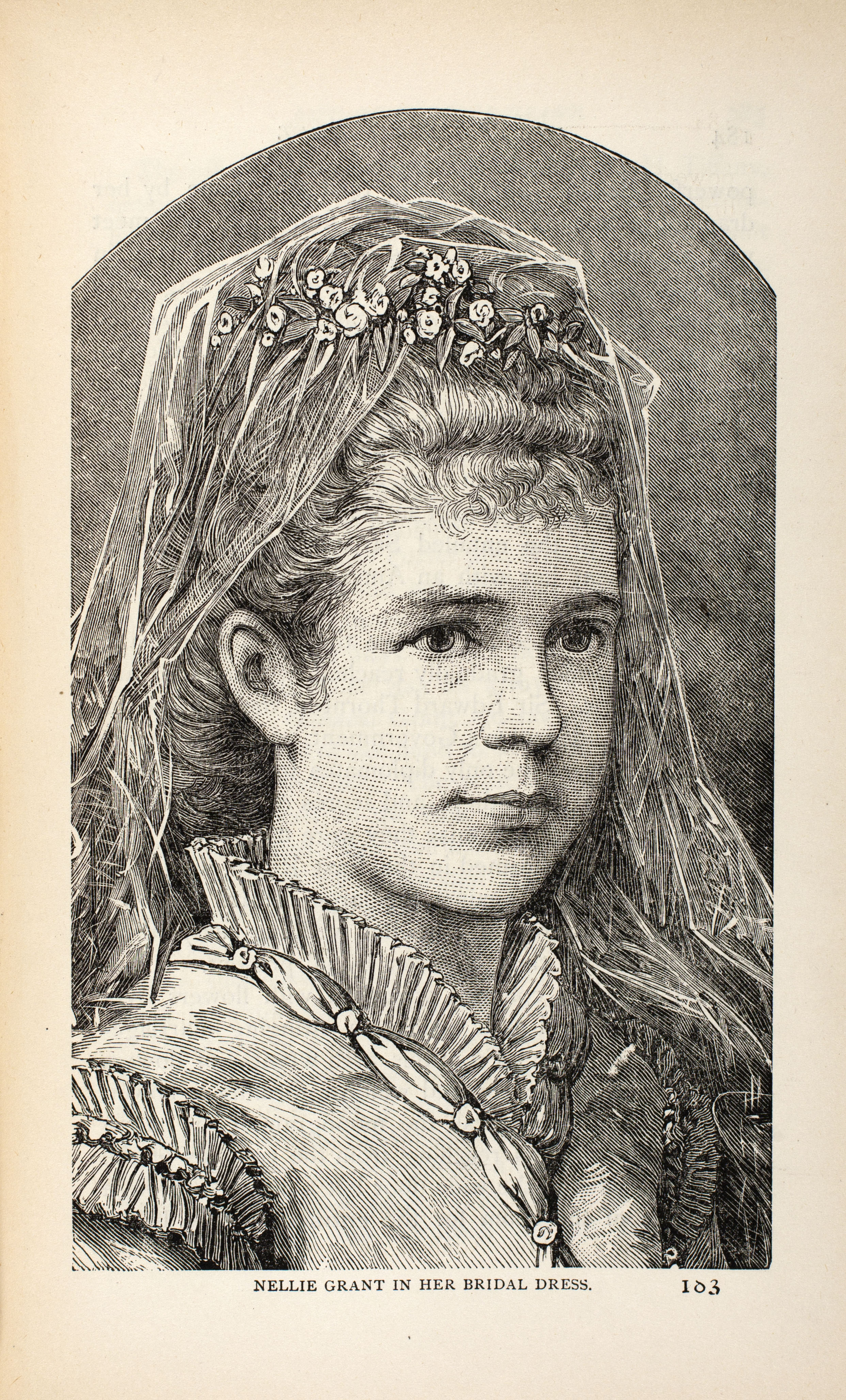
At eleven o’clock in the morning, the ceremony began. Sartoris wore a “black evening suit and appeared the embodiment of health and happiness.” His best man, Frederick Grant, stood beside him in his military uniform. The eight bridesmaids entered the room, all wearing the same white silk gowns, four wearing dresses trimmed with blue forget-me-nots, and the other four dresses trimmed with pink roses. Nellie’s dress was described:

The bridal dress was white satin, with a comet-like train trimmed with a set of point lace made in Brussels at a cost of five thousand dollars … It was arranged in wavy horizontal lines across the front of the skirt of the dress and interspersed with white flowers, green leaves, and miniature oranges … The bridal wreath was of white flowers and green leaves of the most delicate kinds … She wore high satin shoes bearing water stripes from the toes upward.

I plugged in the $5000 cost of the lace of the dress into a historical currency calculator and found that the dress would cost about $92,000 to make today. Does Vera Wang (the designer of Chelsea’s dress) even make gowns that expensive?

After the ceremony, the guests were led through the gift-filled library into the dining room where satin menus were placed at each setting, and the centerpiece of the table was the cake, “crowned with a bouquet of delicate white flowers arranged in the highest style of art.”

Chelsea Clinton and Marc Mezvinsky’s wedding has caused a similar public examination of every detail of the president’s daughter’s wedding, much like a hundred and twenty six years ago.

High Anxiety: American Bibliophobia

Book sales may be up overall this year due to the introduction of e-readers (see the New York Times report here).  But strange fears about the demise of the book still abound (read the New York Times on old-fashioned book covers and e-readers here). Are Americans simply afraid to buy books, or afraid that we’re, at heart, bibliophobic?

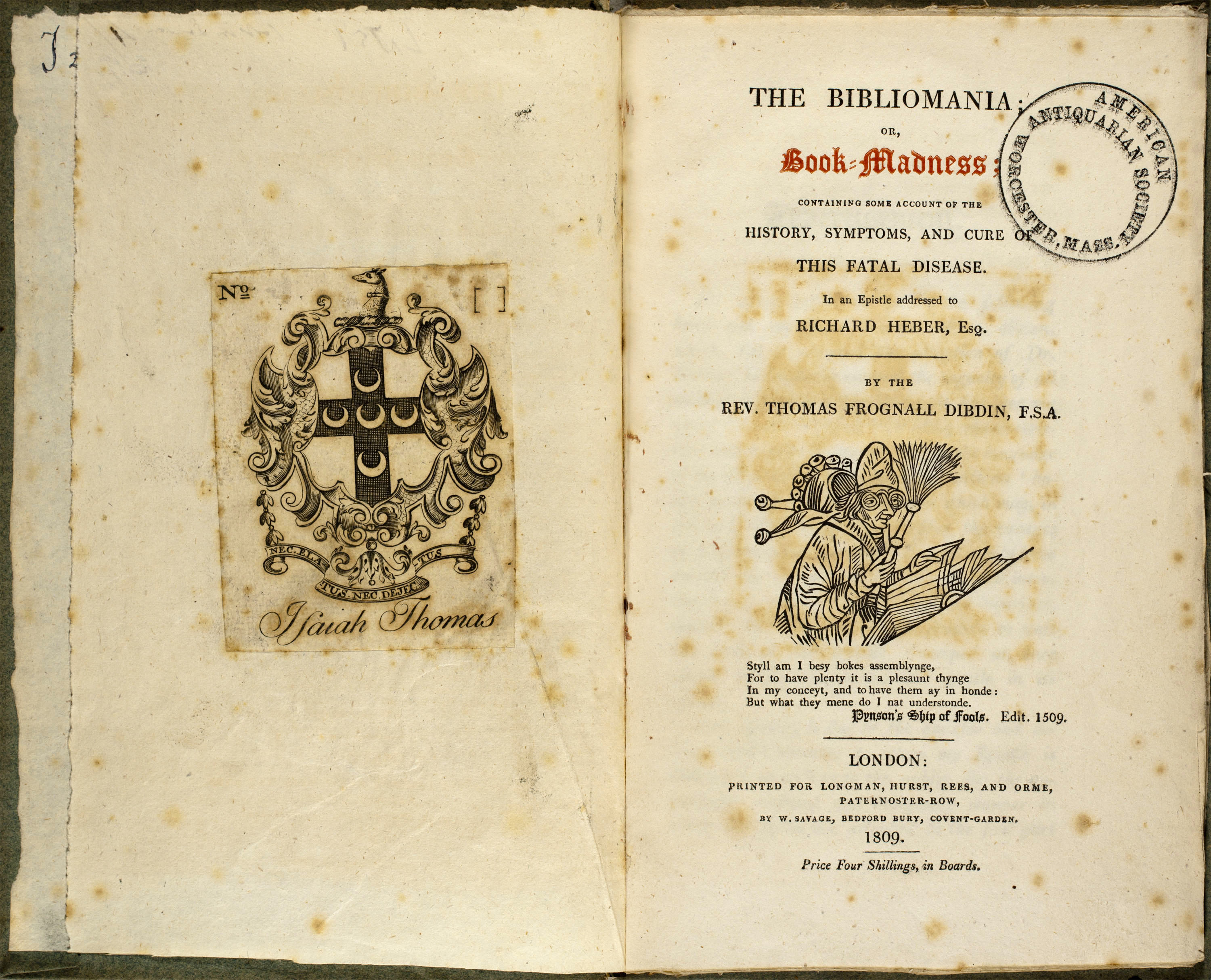
The Oxford English Dictionary attributes the first official use of the word “bibliophobia” to Thomas Dibdin, renowned author of Bibliomania; or Book Madness; Containing Some Account of the History, Symptoms and Cure of This Fatal Disease (London, 1809). The OED indicates that the word “bibliophobia” first appeared in Dibdin’s 1832 pamphlet Bibliophobia, remarks on the present languid and depressed state of Literature, which detailed the depressed London book business and assuaged fears about its recovery.

A quick search in America’s Historical Newspapers reveals that “bibliophobia” actually appeared in an American context long before the publication of Dibdin’s pamphlet. In a November 18, 1793, issue of New York’s Daily Advertiser, an “obscure citizen” addressed Citizen Genêt, French ambassador to the U.S. Troubled over Genet’s attempt to recruit privateers in Charleston and, more specifically, Vice-consul Anthony Duplaine’s consorting with French privateers in Boston harbor, the article’s author declares:

“Let us call persons and things by their appropriate names—Citizen Duplaine was no Minister, he was a simple Vice Consul, and tho’ the sublimity of your genius has filled you with a horror for books, yet the Citizen Consul has been too long in habits of intimacy with them, to possess the Bibliophobia, (if I may be allowed the term); before he entered on the execution of his office, he ought to have informed himself of its extents and privileges, and of his relative connexion, with the Laws of this Country.”

Subject to constitutional distinctions between ambassadors and consuls, Duplaine overstepped his bounds in his refusal to familiarize himself with American legal principles—literally, the books.

The Acquisitions Table: Horseneck Truth-Teller

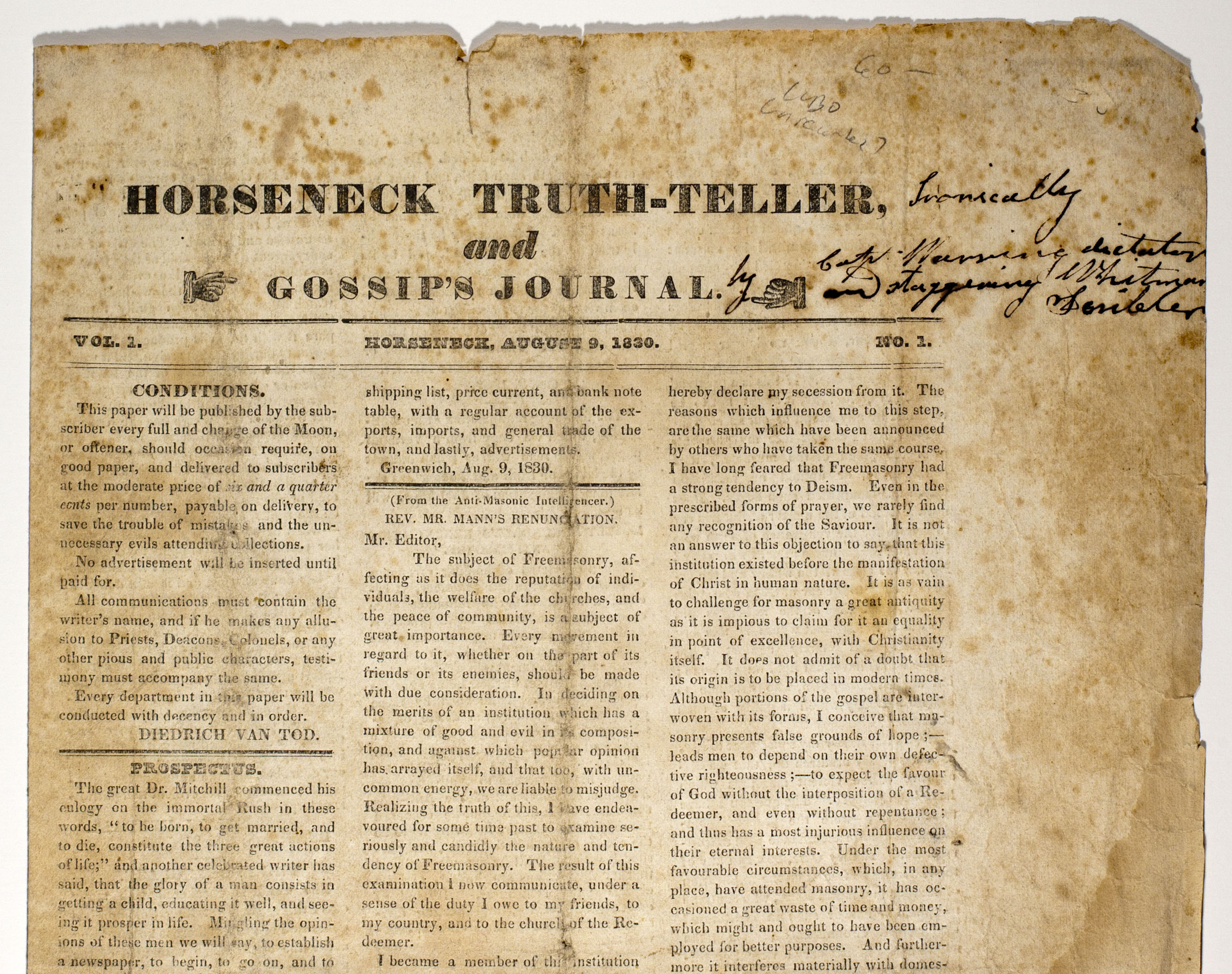
Horseneck Truth-Teller, and Gossip’s Journal (Greenwich, CT). Aug. 9, 1830.
This is the first volume of a previously unrecorded newspaper. The publisher was given as Diedrich van Tod, but it was actually published by Whitman Mead. According to the prospectus, the paper would contain, “1st, truth; 2d, politics; 3d, anti-masonry; 4th, the spleenful or old maidship; 5th, a list of the public gossips, or women of the town; 6th, a general directory of the inhabitants of the town, with references as to character, occupation &c., for the benefit of strangers, (black-coated beggars will find in this department much valuable instruction); 7th shipping list, price current, and bank note table, with a regular account of the exports, imports, and general trade of the town, and lastly, advertisements.”

The paper lasted three issues before Mead was arrested for libel. During the trial it came out that the paper was printed in New York and quietly shipped to Greenwich for distribution. Gift of Vincent Golden.
~ Vincent Golden

A Place of Reading: Three Centuries of Reading in America

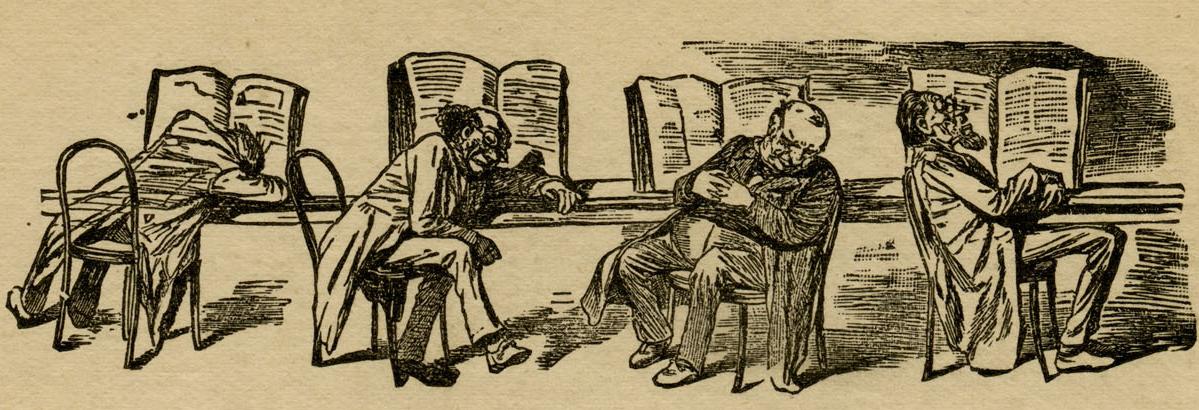
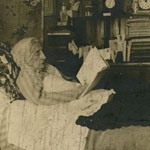
A Place of Reading.  That phrase defines Antiquarian Hall.  Reading is an everyday occupation for those of us in Antiquarian Hall whether staff or, yes, readers.  fatherreadingBut it is also part of the title for the newest online exhibition posted on the AAS website.  How did this one come to pass? It started over twenty years ago when John Hench and I collaborated on a conference under the auspices of the Program in the History of the Book in American Culture on the iconography of reading.  The idea had surfaced during an early PHBAC meeting and John and David Hall, the chairman of the Program, thought it would be of interest to a variety of scholars and might contribute to the then new book history field of studies. The conference was held in June of 1991 with ten presentations on reading in European and American contexts, ranging from early European examples to posters of women reading at the end of the nineteenth century.  Although we had hoped that the presentations would be published by AAS, only Linda Docherty’s presentation on “The Open Book and the American Woman” appeared in the Proceedings of the American Antiquarian Society (available for sale on the AAS website as an offprint by clicking here).

sleepreading

In any event, I started to gather images of adults and children reading that accumulated in a file folder in my office filing cabinet.  Over the years it became fatter and fatter.  Fast forward to February of 2009 when Marla Miller, professor of history at the University of Massachusetts, Amherst, wrote to me asking if I could help a graduate student in the Public History program specializing in the history of the book think about internships.  I was only too happy to discuss internship possibilities for Cheryl Harned at AAS.  We have had wonderful experiences with interns in the graphic arts department.  Over the past decade, they have created huge finding aids, created databases of visual materials, scanned visual materials, created fine online exhibitions, and generally accomplished many other tasks. womanreading Cheryl and I discussed a few options and then I pulled out the folder with the fading photocopies.  She quickly seized upon the idea of an exhibition on reading and started to work.   The concept of an online exhibition responded nicely to the mission of the public history program: train graduate students to work on projects with a broad range audiences that hopefully will prepare them for work in an institutional setting, provide important services for regional organizations, and to advance through research and demonstration projects the theory of public history and how to service audiences beyond the university.

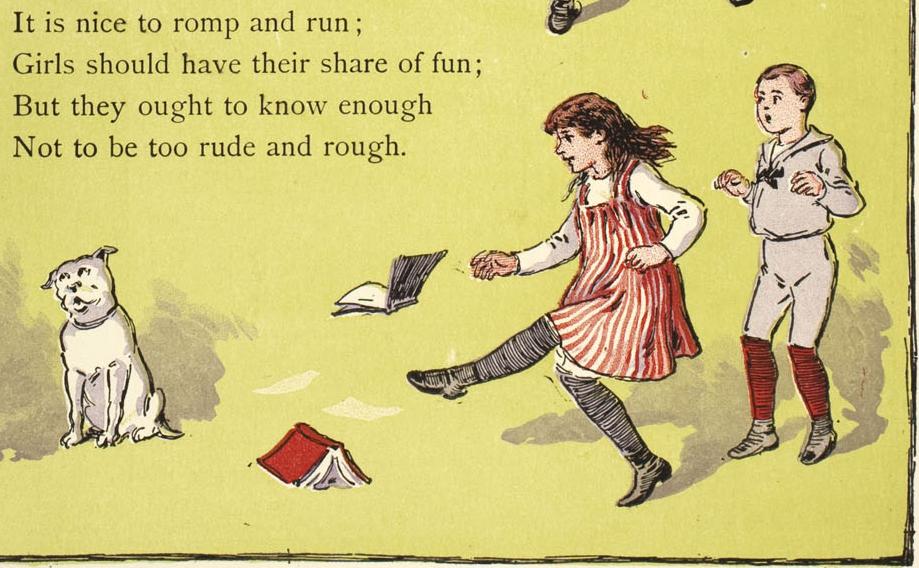
Cheryl went far beyond her course requirements in the preparation of this exhibition.  It didn’t help that Lauren Hewes, Christine Ward-Graham, Jaclyn Penny, and I kept finding new images for her to incorporate in the exhibition.  That’s why the innovative Image Bank of Reading Places was created!  It was hard to stop.  Cheryl planned the exhibition in chapters and found many wonderful first person accounts of reading.  She wove her research and observations into an extraordinary text.  Jaclyn Penny converted the long text file and many, many images into the exhibition that we all hope you will enjoy and use in your teaching and research.  And, please add your own favorite images to A Place of Reading.  The link to this continuing blog of images of reading can be accessed from the Image Bank of Reading Places, or directly at Addenda: Blog A Place of Reading.tomboykate

Jackie has also put a sampling of the original images on display in the AAS reading room.  Come by for the free public tour AAS offers every Wednesday afternoon at 3pm and you can see some of the original images used in the online exhibit (plus live readers!) in person.

“It seems to me that a sick man in California digging gold in the water up to his knees would look funny”

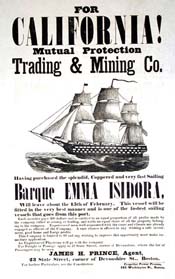
An earlier post about bibliographies on everything from the California Gold Rush to tomatoes got me wondering about the impetus behind that heady experience (the Gold Rush, not the tomatoes).  How did a man who heard all the fairy-tale stories of incredible wealth just waiting to be picked out of the rivers make the difficult decision to leave his family and friends behind and go pan for gold?  What if he was already in ill health, but also desperately in need of money to improve his family’s situation?wrapper

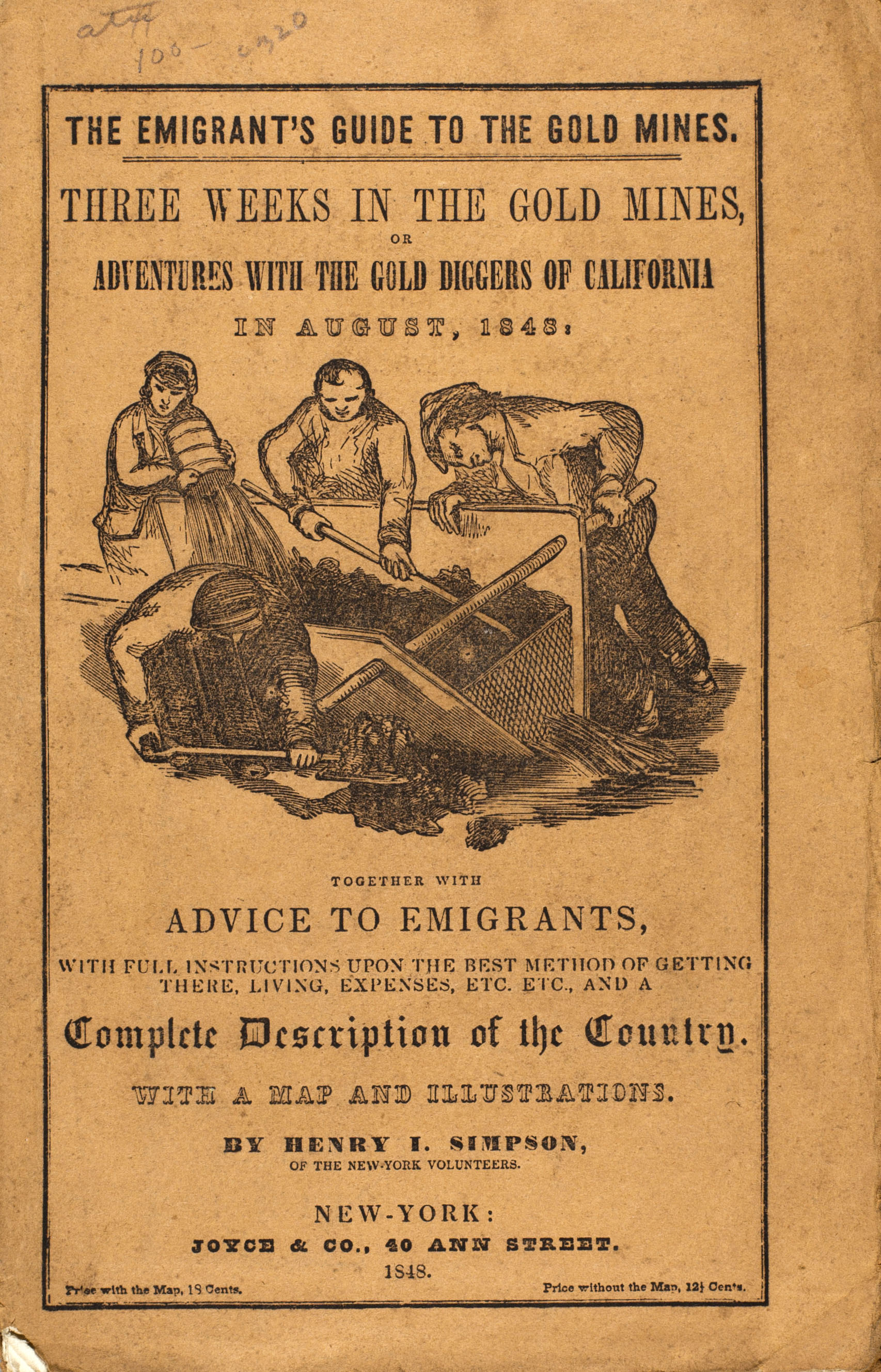
Turns out a potential emigrant had many places to go for advice in 1849.  Newspapers and periodicals were full of the fantastic tales, and guidebooks started coming out almost immediately.  The Emigrant’s Guide to the Gold Mines: Three Weeks in the Gold Mines, or Adventures with the Gold Diggers of California was published in 1848.  According to this guide in AAS’s collection, the overland passage was “a route which we can by no means recommend.”  It is described as a dangerous, even deadly option.  “The usual starting point is Independence, on the frontiers of the State of Missouri. The distance is very great; there are deserts to be crossed, mountains to be scaled, and hostile Indians to be encountered.” (28)

AAS’s Grant-Burr Family papers (the manuscript collection is fully transcribed online here) shed further light on the factors weighing on such a decision.  Daniel Grant was considering selling the homestead he and his wife along with a toddler and a newborn had established in Washington to go to California.  Advice poured in, solicited or not, in letters from family members.  His older brother, mother, sister-in-law, and younger brother all weighed in on Daniel’s decision.  Certainly his wife Caroline Burr Grant did as well, although her voice is left out of the written historical record because their discussions were verbal as they had no need to exchange letters while they lived together.  Below are a few selections of how Daniel’s family members advised him to respond to this classic risk-reward dilemma.

  • Older Brother

Daniel’s older brother Joel Grant wrote on Feb. 26, 1849: “if you must be sick I had rather you would be sick here than abroad.”  Yet Joel then goes on to cheerfully argue the other side, describing the risks his brother may face but not letting concern for his brother’s health outweigh the potential for improving his situation.

You may be sick, you may die, & if you could avoid these things by staying at home, I would advise you by all means, not to go. As it is I am favorably impressed with the idea of your going.

  • Sister-in-law

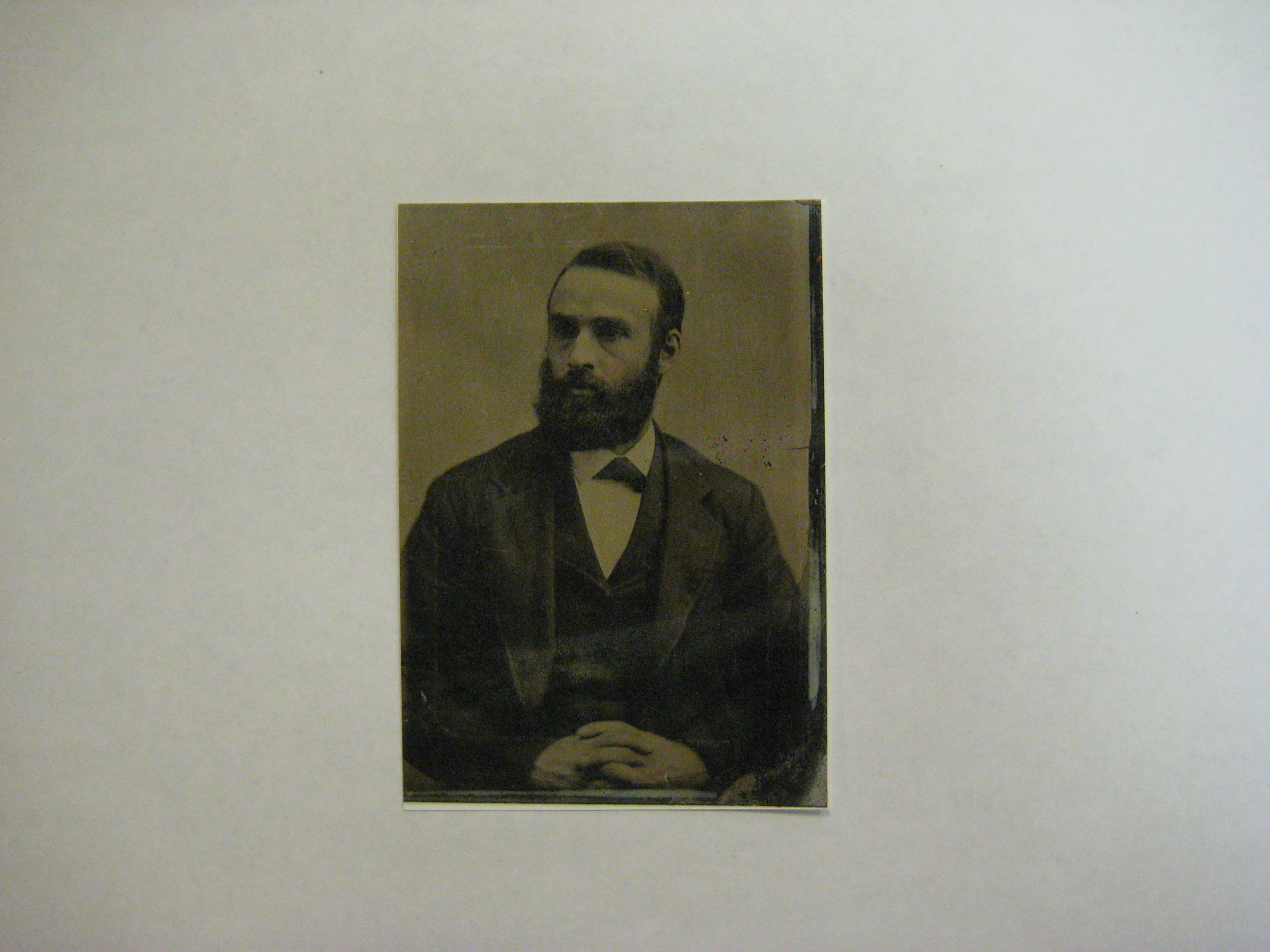
Joel’s wife, Abby, included a post-script to his letter: “I hope Daniel will have his Daguereotype [sic] taken before he goes to Ca.”  She was presumably thinking of Daniel’s wife, Caroline, who would be left to retreat to family in Connecticut with two young children to tow and no husband in sight.  It seems Daniel may have taken her advice, as a daguerreotype of Daniel Grant does survive in the AAS collections. Daniel Grant

  • Mother

Not surprisingly, Daniel’s mother was against the trip wholeheartedly.  In a letter postmarked March 3, 1849, she implores her son with whatever tactics she can — including a healthy dose of motherly guilt — to convince him not to go to California. Mrs. Grant’s disdain for punctuation makes her words seem even more breathlessly anxious.

I do not hear from you near as often as I should like to but yesterday we received a letter from Joel stating that you Daniel was thinking of going to California which was to me inteligence [sic] of a very unpleasant nature and I thought I could delay writing no longer but must say to you immediately that I cannot endure the Idea your health is poor and for you to think of going to California in pursuit of health I think you will be disappointed should you do it your Physician may recommend it and so I might think favorably of it if you <was> were in circumstances to go there and live at your ease and have a Physician and nurse to attend to you <and> but under your circumstances I feel that your prospect is nothing more than an increased state of suffering and then how can you be separated from your Dear family dont indulge a thought of any such thing….

  • Younger Brother

Perhaps the sagest bit of advice comes from Marcus, the youngest Grant boy.

Monday March 4th 1859
My Dear Children [Daniel and Caroline],

I wrote you last week but on receiving a letter last evening from your Mother and Mary it seems to be necessary that I should write again though I know not what to say I am decidedly opposed to your going to California I feel that you would probably never return and if you should I believe that you would be poorer instead of richer[.] we are all journeying to Eternity and we had better not set our hearts on glittering dust I believe there will be more of the gold diggers that will be ruined than there will be made rich

I am sorry you do not prosper a little better where you are. As <for> to your going to California I think you had better do as you think best about it. You might go there and get some gold and you might succeed as well as you have <there> where you are. But it seems to me that
a sick man in California digging gold in the water up to his knees would look funny.

Your aff. [affectionate] brother Marcus

The Mince Meat Throwdown

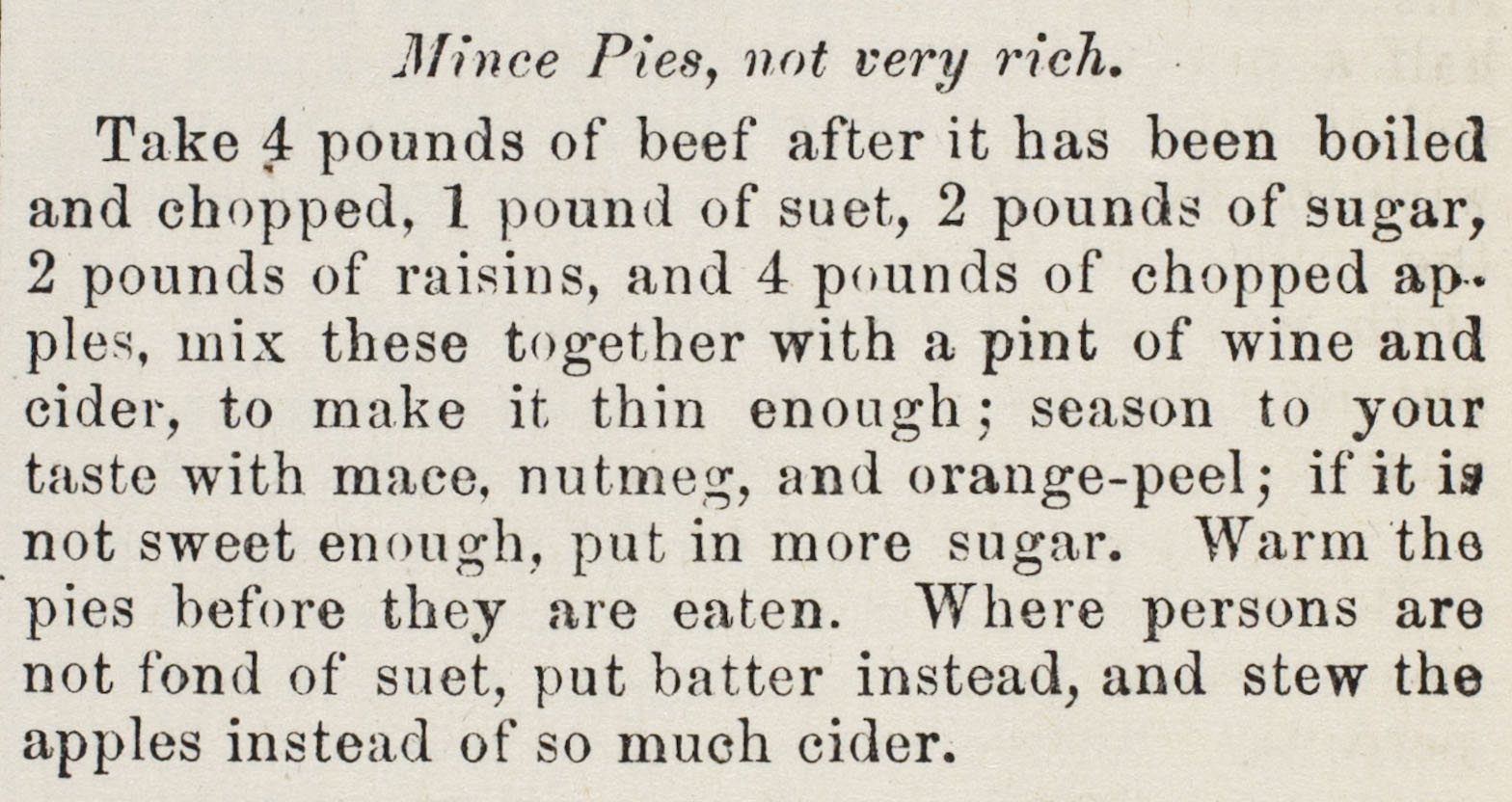
Per a suggestion on a previous post, my next adventure into historic cooking will be with a mince meat pie. (Thanks for the suggestion, David!) While I can’t say whether or not I would recommend this recipe, hopefully the results will speak for themselves. Having never had mince meat pie before, I feel I may be doing a disservice to the dish by starting with an historic recipe. If it turns out disastrously, I promise to still give a modern pie a chance.
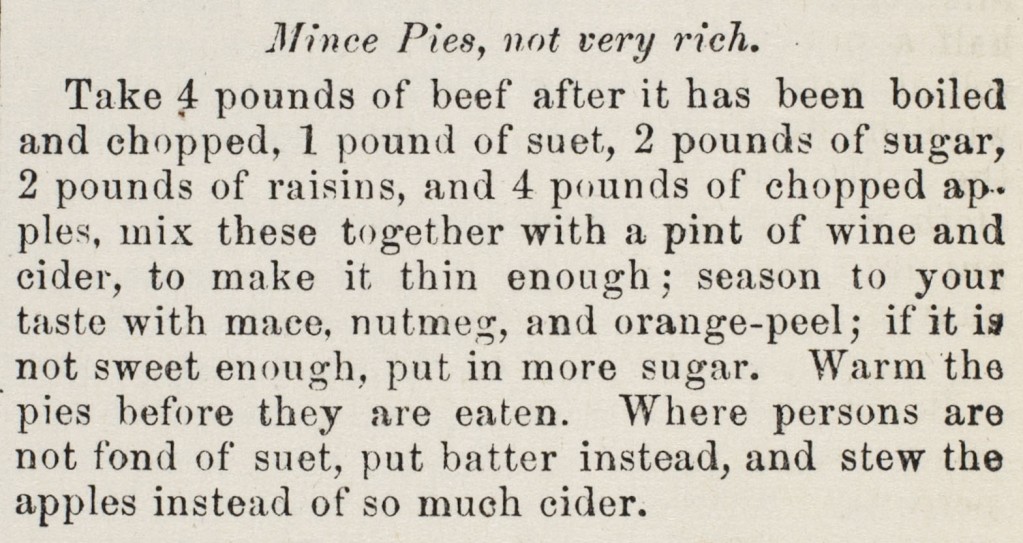
MincePies
The recipe above come from the 1871 edition of Henry Hartshorne’s The Household cyclopedia of general information, containing over ten thousand receipts, in all the useful and domestic arts; constituting a complete and practical library, relating to agriculture, angling, bees, bleaching, book-keeping, brewing, cotton culture, crocheting, carving, cholera, cooking, calico printing, confectionery, cements, chemical receipts, cosmetics, diseases, dairy, dentistry, dialysis, decalcomania, dyeing, distillation, enamelling, engraving, electro-plating, electrotyping, fish culture, farriery, food, flower gardening, fireworks, gas metres, gilding, glass, health, horsemanship, inks, jewellers’ paste, knitting, knots, lithography, mercantile, calculations, medicine, miscellaneous receipts, metallurgy, mezzotints, oil colors, oils, paintings, perfumery, pastry, petroleum, pickling, poisons and antidotes, potichomania, proof-reading, pottery, preserving, photography, pyrotechnics, rural and domestic economy, sugar raising, silvering ,scouring, silk and silk-worms, sorghum, tobacco culture, tanning, trees, telegraphing, varnishes, vegetable gardening, weights and measures, wines, etc., etc. Containing the improvements and discoveries up to date of publication. Quite the title!

Based on the author’s career, I’m going to put a lot of trust in his mince meat pie recipe. I’m not trusting that it will necessarily taste good, but I’m pretty sure it will not kill me. Hartshorne (1823 – 1897) was a physician and medical teacher from Philadelphia. Some of his career highlights include opening a private medical practice in Philadelphia, chairing the medical department at Pennsylvania Medical College, and teaching positions at Pennsylvania Medical School, Women’s Medical College of Pennsylvania, and Haverford College, to name a few. He even volunteered his medical services during the 1854 cholera outbreak in Philadelphia, as well as on the battlefield at Gettysburg. As Hartshorne was compiling his Household cyclopedia, he was Professor of Hygiene at the University of Pennsylvania. Not the kind of person you’d expect to compile a cookbook, but according to the title, his Cyclopedia is obviously so much more. But for now, let’s just concentrate on the cooking.

If anyone else decides to give the recipe a go, let us all know how it turns out. I’ll be reporting back on my culinary efforts next week. Happy cooking!

For more posts on historical cooking, click here.
Private Libraries in a Digital Age

In an age of inter-connectivity, mobility, and Librarything.com that purports to bring us together in a digital utopia, whither will the truly personal library go? Do we risk having a network of Gatsbys present and past, interested in books more essential for their social value than their literary or historical merit? A social networking database of personal libraries like Librarything.com purports to make the private library available for public consumption and communication. But what it might neglect to do is convey the private individual, or even the individual books, represented in its own tagged catalog. While tags allow for facile bibliophilic social networking, they may fail to describe in depth the specifics of a private library.  (Click here for criticisms of the database that have trickled in from the ranks of professional librarians.)

AAS’s curator of graphic arts, Lauren Hewes, noted in two previous posts that AAS houses a wonderful collection of bookmarks and other ephemera able to shed light on the personality of a book and its owner. AAS also has a rather substantial Private Library (PL) collection, the cataloging for which often sheds substantial light on books, their owners, and their libraries. Cataloging done by the likes of Shakespeare bibliographer Henrietta C. Bartlett is just one example of the lengths to which one bibliographer went in order to detail two private libraries in the early twentieth century.

01In 1911, Bartlett published a catalog of the library of the handwriting and ink analyst David N. Carvalho, showcasing Carvalho’s collection of incunabula while advertising its selling price of $10,000. (Carvalho’s library actually sold for $1, 385.95 in 1917, far under the asking price. But Bartlett’s work served to bring together the Carvalho collection and reveal its uniqueness before its dispersal.) Henrietta  Bartlett would go on to catalog William Augustus White’s library only a year before his death on May 27, 1927. White’s family consequently donated his library, giving the first folio of Shakespeare to Princeton and 88 books, including a second edition of “Romeo and Juliet,” to Harvard.  Bartlett’s catalog of Carvalho’s library, and later of W.A. White’s library of early English books, reveals a cataloger engaged with her collection—down to its manuscript ink notes for Carvalho and historical miscellany for White.
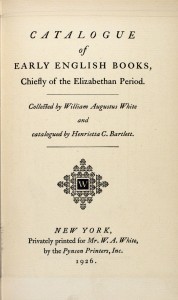
02Each uncut page, stain, and note is noted in detail. Both of these catalogs, and many more, are housed AAS’s private libraries collection. The painstaking effort Bartlett put into her work, both for the private library catalogs and her own bibliographical endeavors, reiterates that serious bibliographic work forces us to open our books, examine uncut pages, and catalog. When confronted with questions of what makes a library—its books, its catalog, its room, its users, its owner—we wonder just what makes a library personal in a new digital age.
Further Reading:

McKenzie, D.F. Bibliography and the Sociology of Texts. New York: Cambridge University Press, 1999.

Spadoni, Carl and David Harley. “Bertrand Russell’s Library.” The Journal of Library History 20, no. 1 (1985): 25-45.

Something Fun for the Weekend

NPR had a piece this morning on an exhibit that just opened at the Smithsonian called Telling Stories: Norman Rockwell from the Collections of George Lucas and Steven Spielberg.  If you are in the D.C. area, the exhibit is running until January. It sounds like they are making some interesting connections between the American movie-makers and the quintessential painter of Americana.

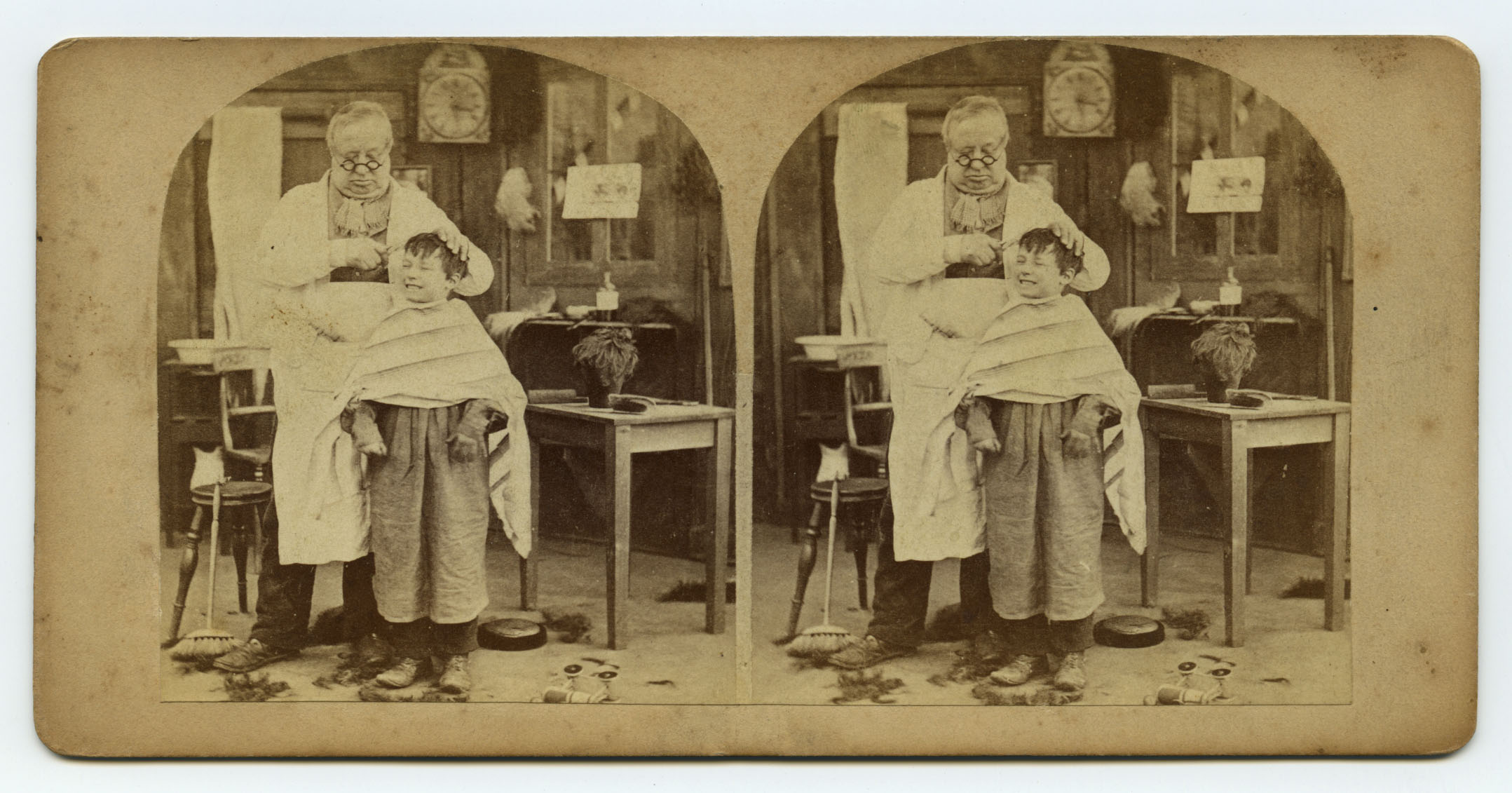
Barber
Click image above to enlarge

AAS may not have any Norman Rockwell paintings, but we do have the stereograph above that looks like it could have been one of Rockwell’s images.  Apparently Rockwell would “cast” his neighbors as characters in his scenes, select the appropriate props, and then take a photograph of the scene.  He then used the photo as the model for his oil paintings. So this barbershop image really could almost be a Rockwell!

The time is right for another What-Caption-Would-You-Write contest.   Reply with your best comment on our barber image and we’ll select the funniest caption to highlight next week. Have fun!

“Animal Magnetism” at its best

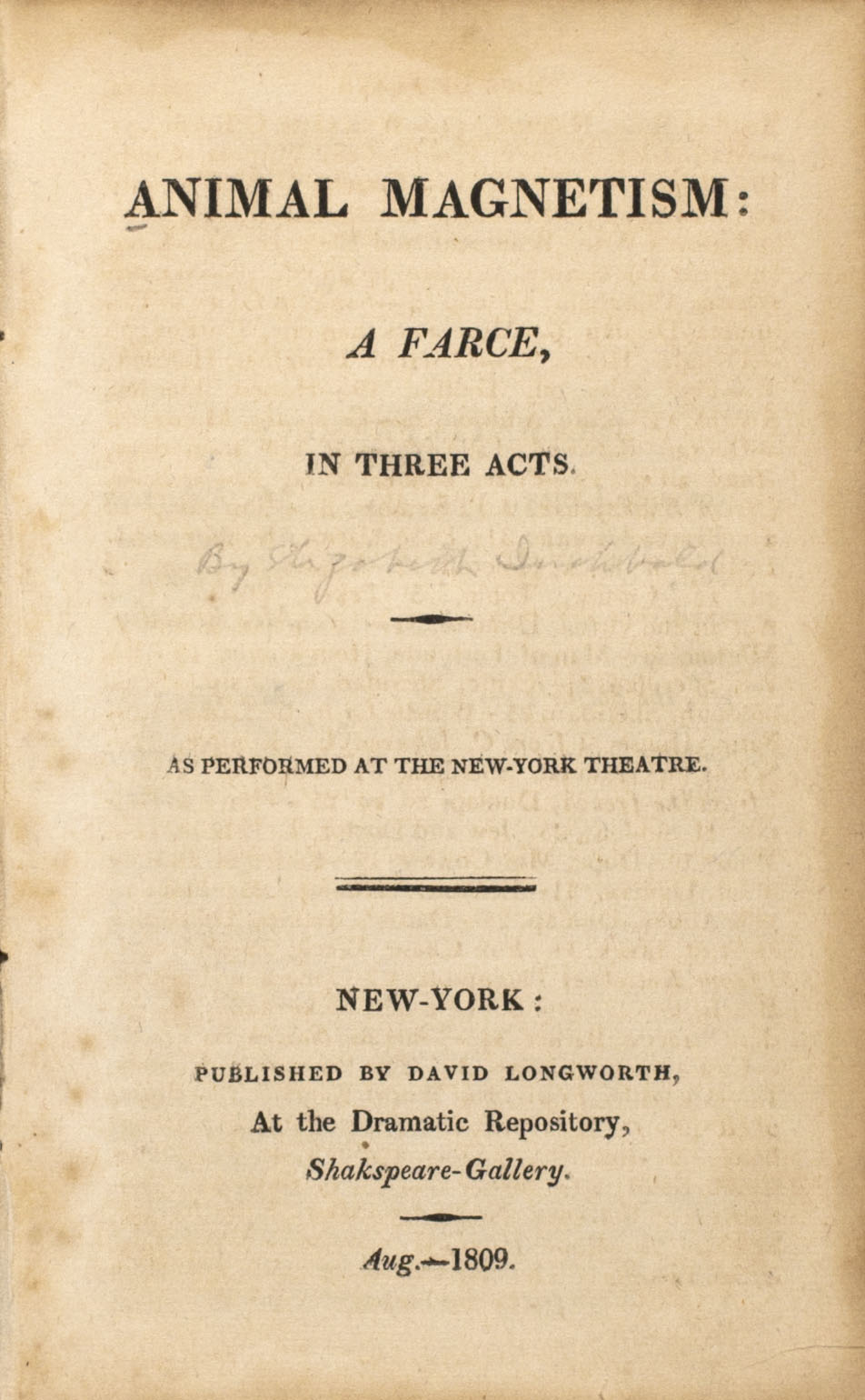
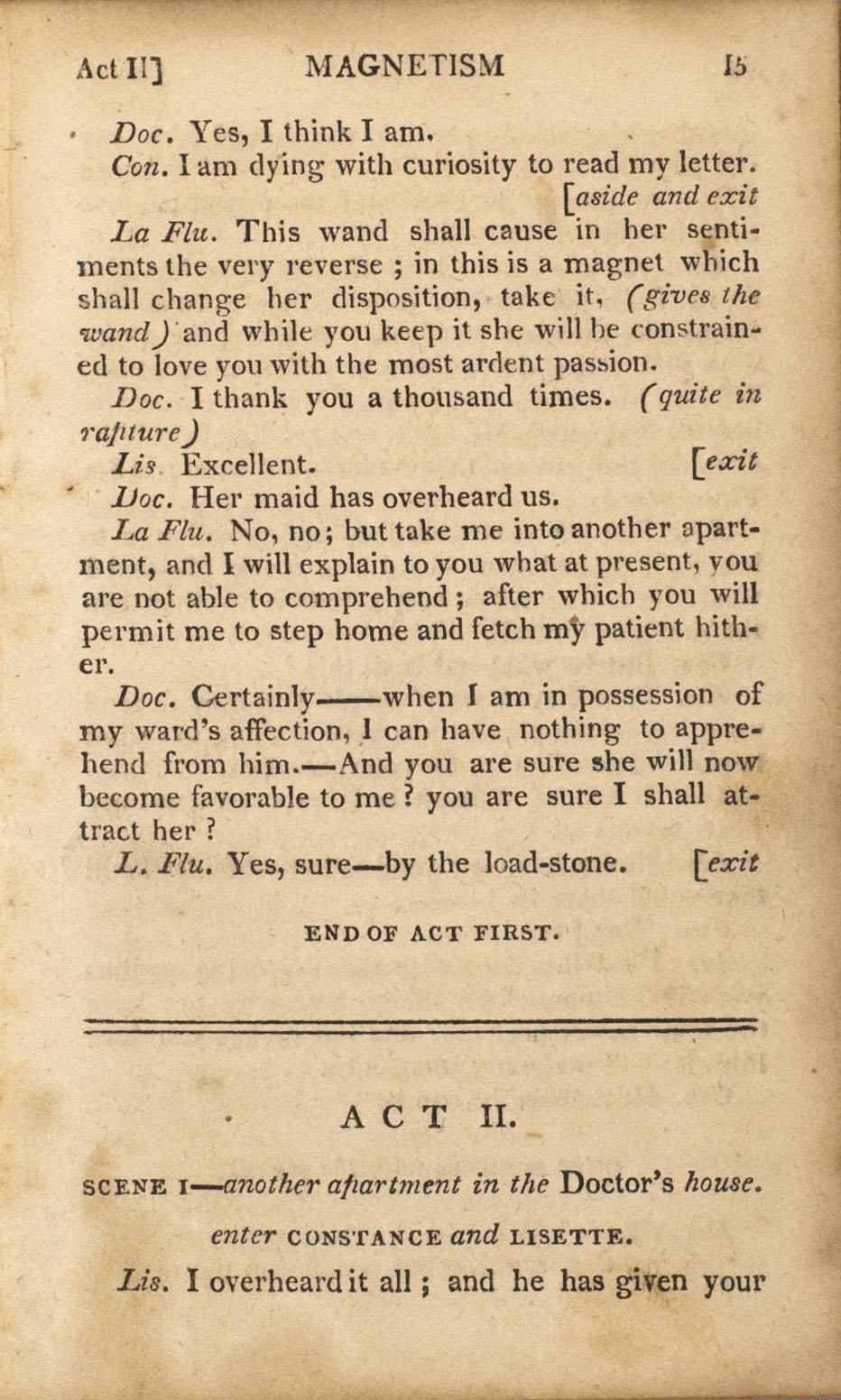
Over two hundred years ago Elizabeth Inchbald wrote and published the three act farce Animal Magnetism.  Heavily criticizing Mesmer’s magnetized baths ananimalmagnatismd healing wands, this typical eighteenth-century afterpiece farce features befuddled lovers, lovers’ ruses, and battle of the sexes.  Two hundred years later, befuddled lovers remain but Animal Magnetism is now carefully housed in AAS’s “Dated Pams” collection.

Plays, libretti, playbills, and drama reviews can be found throughout AAS’s collections.  For more on our theatrical resources, read the online guide created by AAS curators and catalogers. A simple chronological search can be done in AAS’s Online Catalog using the subject search option and inserting the search term “plays” followed by the desired year of publication (for instance, “Plays 1809” or “Plays 1810”).  This search should retrieve most records for the desired year.  (Although care should be taken, as even this subject search will not retrieve all records for the desired year.  In addition to the search terms noted on the AAS site, searchers should add keywords like “farce,” “opera,” and “comedy”).

Inchbald’s farce can be found listed under genre heading “Plays 1809” and it is available on Shaw-Shoemaker Digital Edition. The play was written and published immediately following the introduction of Franz Anton Mesmer’s magnetic baths and wands into England from France.  Whereas dispossessed French people of all sorts embraced mesmerism once it was rejected as legitimate practice by the Royal Society of Medicine, Britons were immediately suspicious of mesmerism’s outsider status and its necessitating close contact between male doctor and female patient.
animalmagnatism2
Inchbald’s farce upends expectations.  Two female characters, Constance and her servant, discover the machinations of their guardian, the Doctor, who wishes to use animal magnetism to make Constance love him.  It is Inchbald’s distinctly British Doctor, denied a diploma by the Royal Academy, who finds magnetism appealing.  And it is the very French Marquis and his servant, Fluer, who purport to teach magnetism, who finally win over the women and conclude that: “there is no magnetism, like the powerful magnetism of love.”  Inchbald’s fumbling British Doctor, dispossessed by love and romance, can’t compete with the power of natural love and genuine closeness between male and female.  Passion could not be manipulated on the stage.

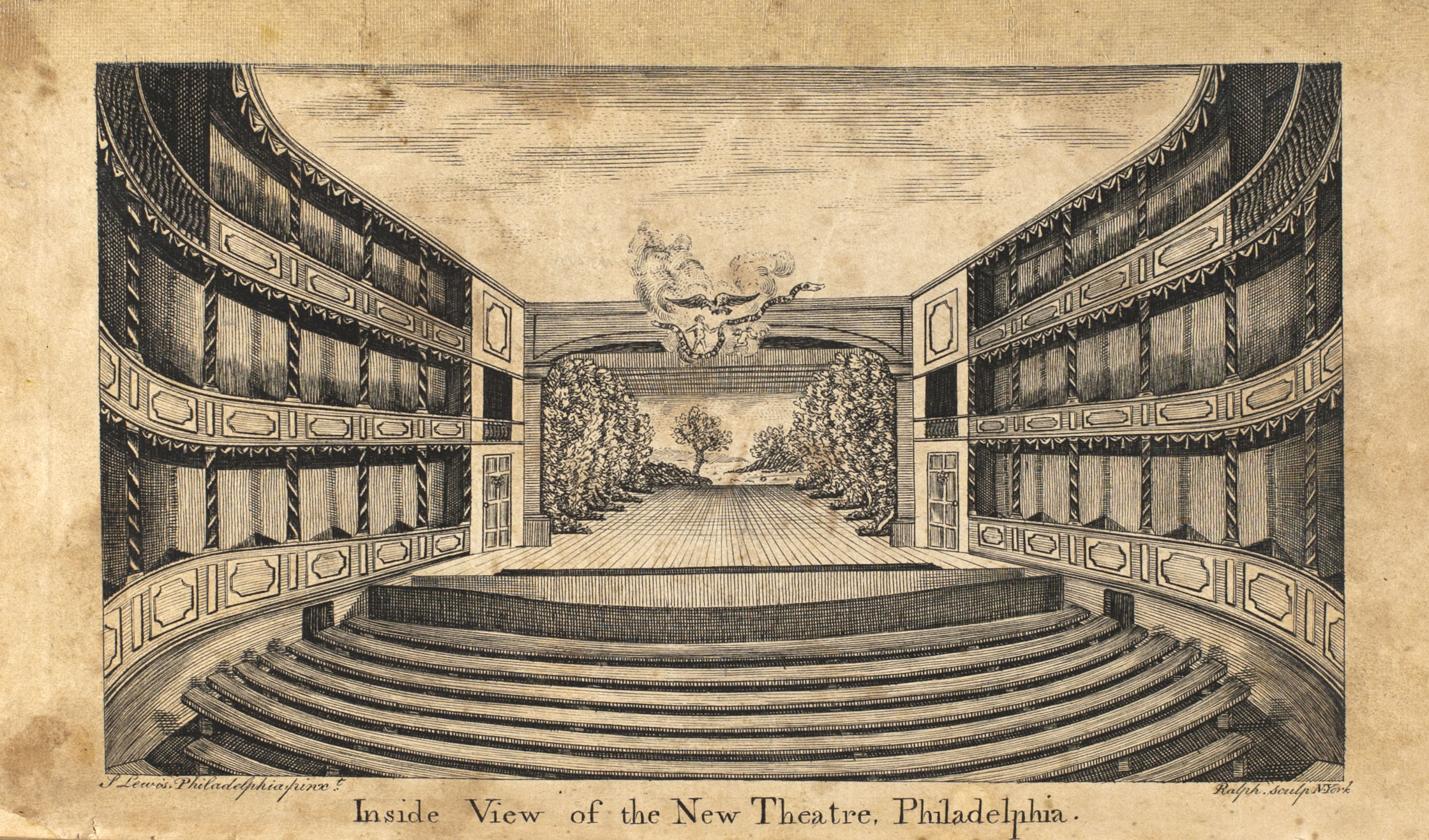
The farce was most likely first produced on an American stage in December of 1796 at the New Theater in Philadelphia. America’s Historical Newspapers, always a handy resource, reveals a widespread discontent with animal magnetism throughout the late 1780s and early 1790s and the final ban of animal magnetism by the Medical Society of the State of Connecticut on May 17, 1796.

The New Theatre, Philadelphia.  From <em>The New York Magazine</em>, 1794.  Courtesy of Lauren Hewes’ search efforts on the Catalogue of American Engravings.
The New Theatre, Philadelphia. From The New York Magazine, 1794. Courtesy of Lauren Hewes’ search efforts in the Catalogue of American Engravings.

By April 1807, the farce had become so popular that William Twaits, the eccentric London actor, was performing in the role of the Doctor in New York.  His last performance in January of 1808 was not the end of Animal Magnetism’s run on the U.S. stage.  But Americans had learned that animal magnetism could not sway men’s minds.  As one commentator in New York’s American Citizen noted when writing on the election for the Council of Appointment in February 1807:

Witchcrafts and sorcerers are no longer in vogue—and animal magnetism has been discarded by modern philosophers—Where then, we ask, since a coalition is denied to exist, has the secret of this mysterious coincidence of the views, votes, and measures of the parties in question?

Love may have been deemed a mystery in Inchbald’s farce, too powerful to be performed or manipulated on the stage, but nothing could control or explain party formation.

The stage, with its perfect amalgam of the arts, was perhaps the perfect venue for understanding why humans cannot be understood. As Deleuze and Guattari wrote:

It is through writing that you become animal, it is through color that you become imperceptible, it is through music that you become hard and memoryless, simultaneously animal and imperceptible: in love.

For further reference:

  • Fulford, Tim.  “Conducting the Vital Fluid: The Politics and Poetics of Mesmerism in the 1790s.” Studies in Romanticism 43, no. 1 (2004): 57-78.   A study of magnetism and mesmerism in English and French literature and politics during the late eighteenth century.
  • Deleuze, Gilles and Felix Guattari.  A Thousand Plateaus: Capitalism and Schizophrenia.  New York: Continuum, 2004.

New Fellows’ Residence at AAS

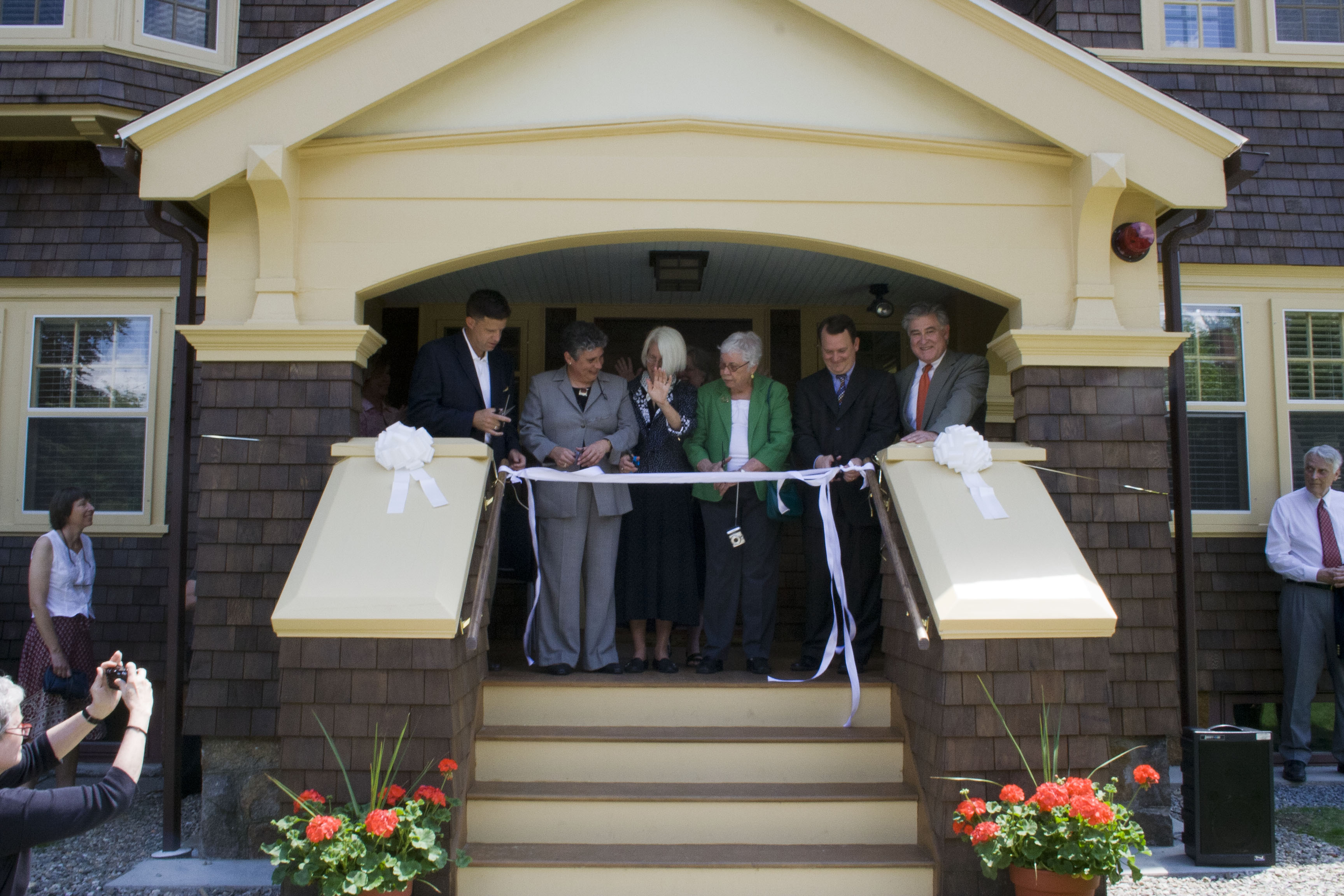
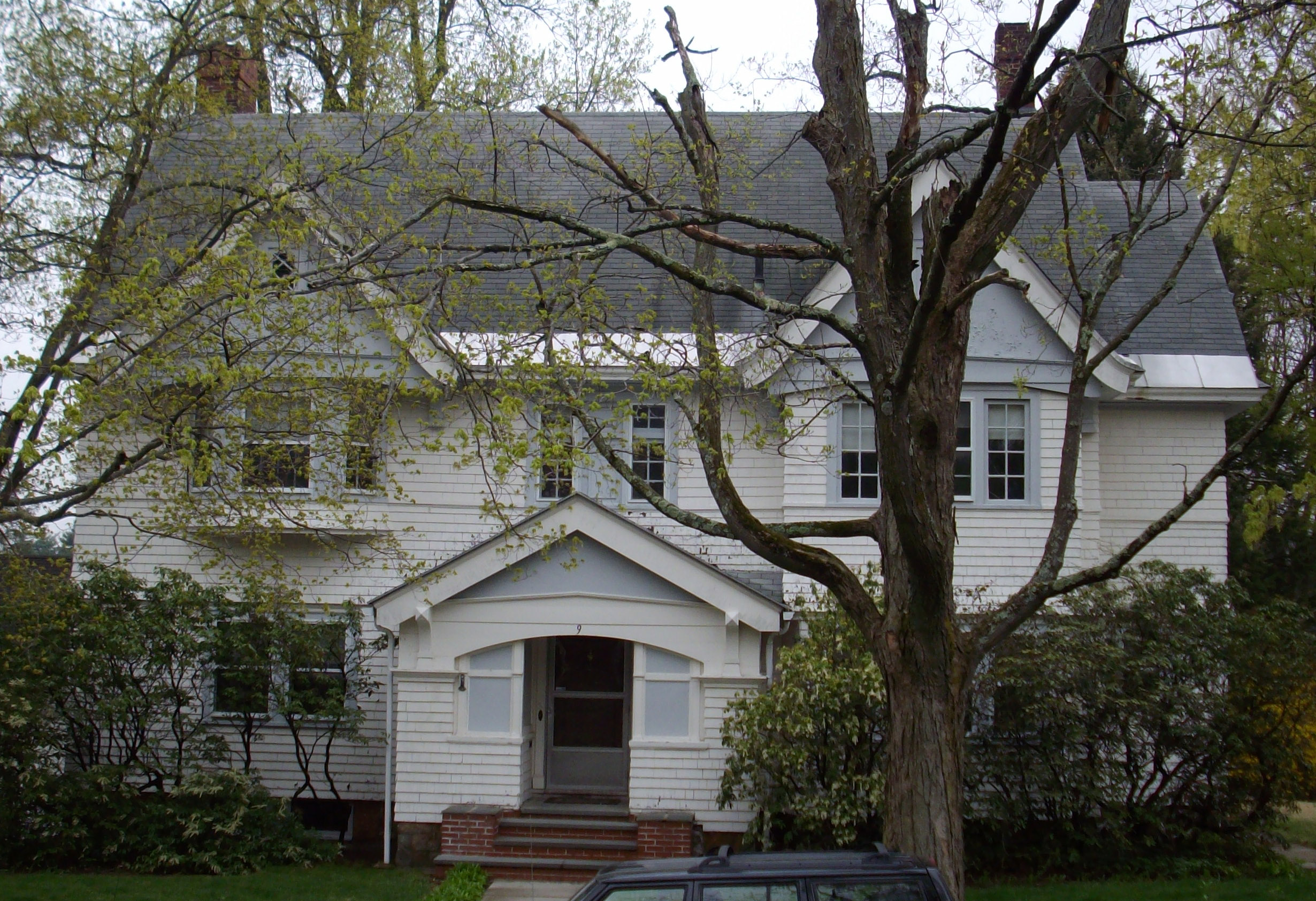
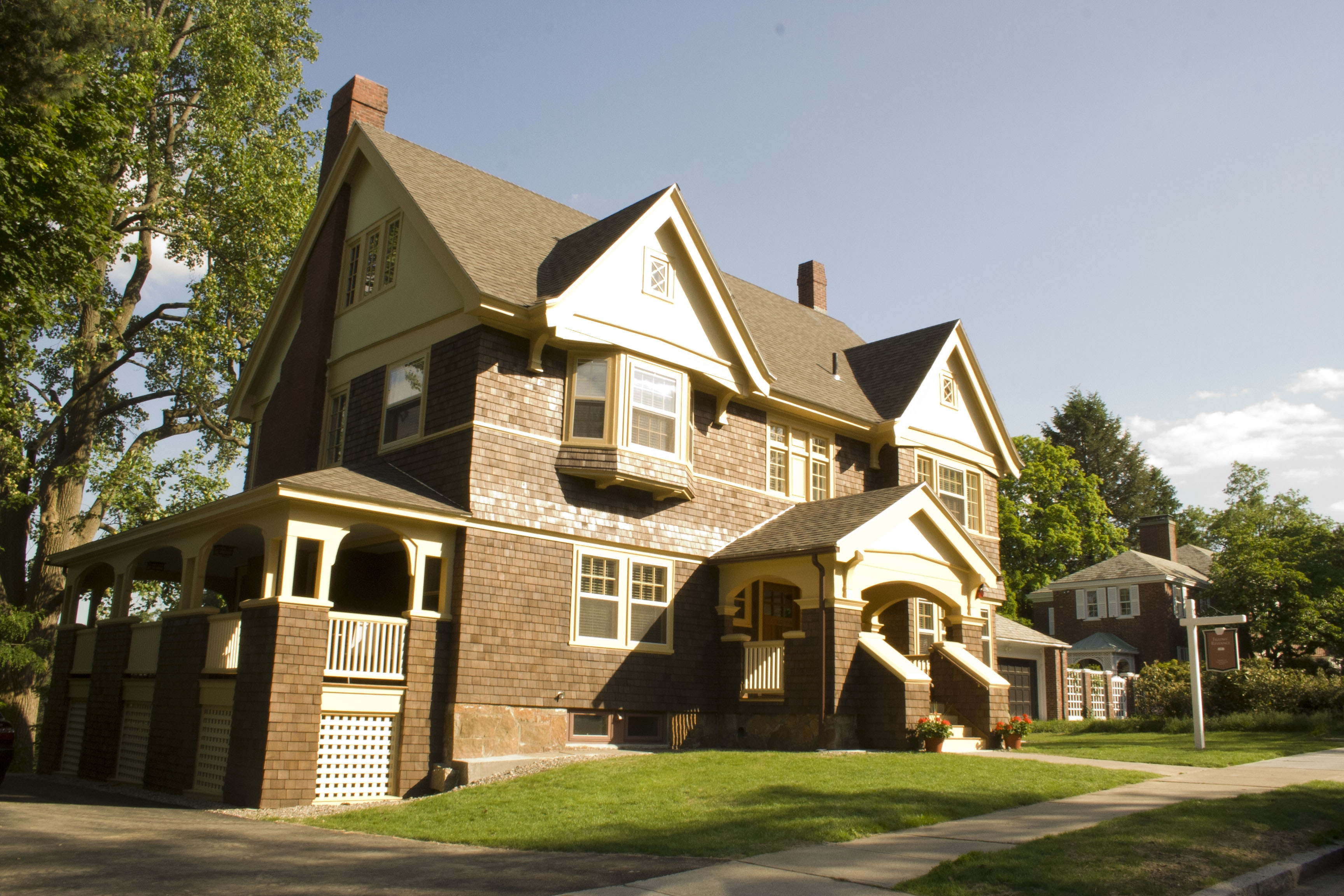
9 Regent - Ribbon cutting 53Last month, the American Antiquarian Society entered a new era. Since 1981, fellows and visiting scholars have been housed at the Goddard-Daniels House, an elegant turn-of-the-century mansion located across Salisbury Street from the library building. On May 25, with Lieutenant Governor Tim Murray leading the proceedings, the ribbon was cut to officially open the Society’s new fellows’ residence at 9 Regent Street, directly up the hill from Antiquarian Hall.

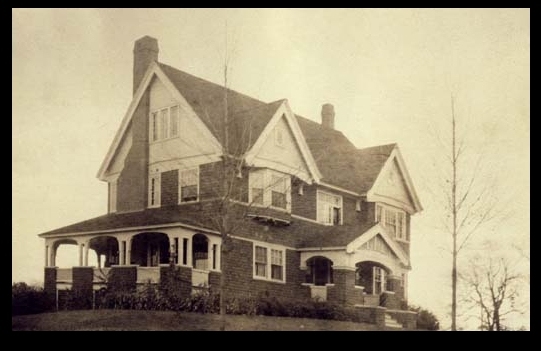
The Society has owned the 9 Regent Street house since 1982, first renting it out to tenants and then using it as administrative office space when the various digitizing projects underway at AAS began requiring more space. In the summer of 2009, AAS received a matching grant from the Massachusetts Cultural Facilities Fund to support the renovation of the large Craftsman-style house (built in 1909) into a residence for AAS fellows.

9 Regent before9 Regent during9 Regent exteriorWorking from period photographs, the house was restored to its original appearance, with the attached garage being replaced by the wraparound porch that is already becoming a favorite haunt of house residents.

RegentStSingle

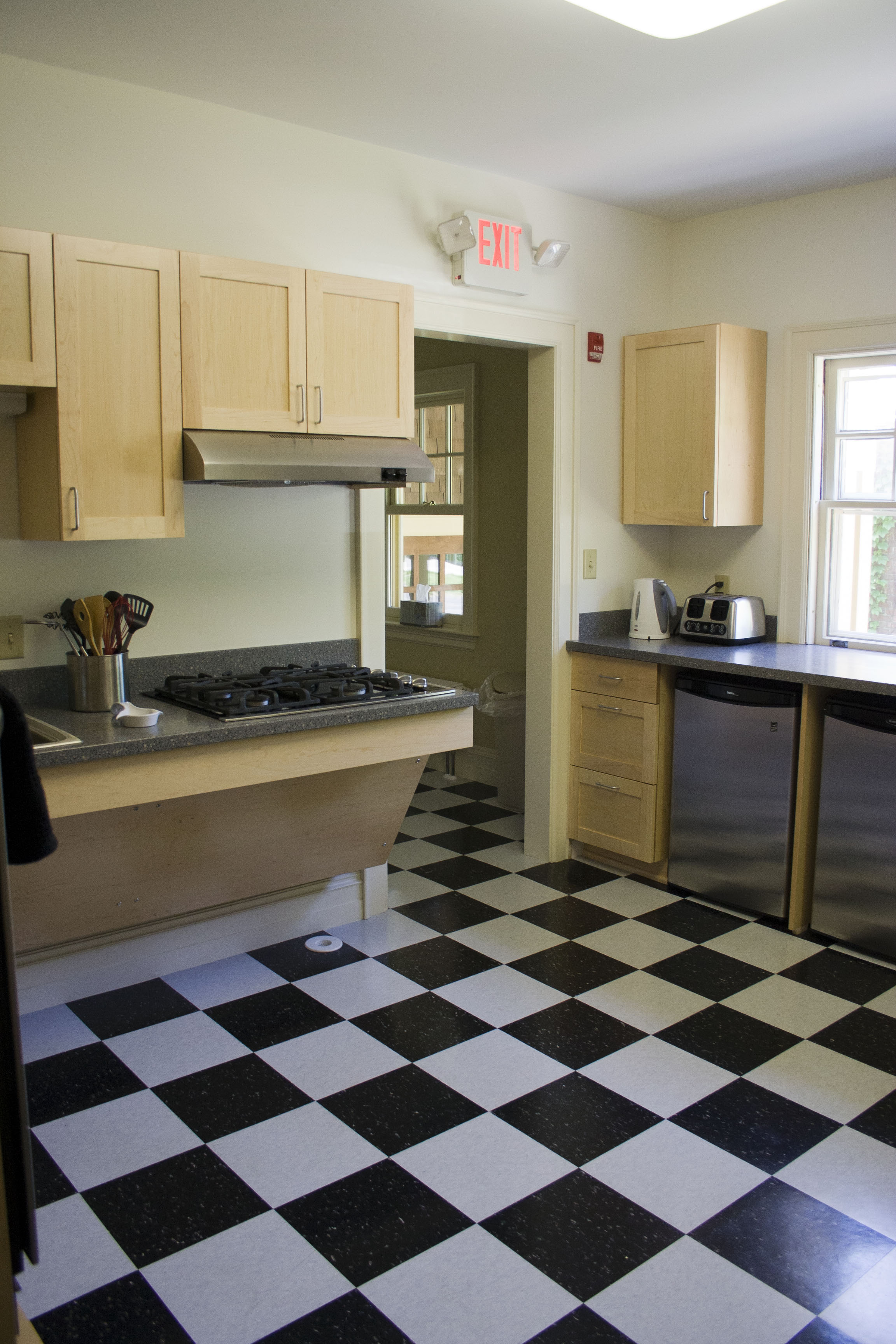
Construction started in October 2009, and proceeded throughout the winter. The addition of a new roof, new cedar siding, new heating and air conditioning systems, and a new room at the rear of the house to offer handicapped-accessible lodging were only a few of the milestones that helped mark progress as the house was transformed from a somewhat dowdy house-with-offices to the grande dame of Regent Street. Thanks to the generosity of AAS member David Doret, the walls of the house were decorated with prints, drawings, and paintings that help make what might otherwise feel like a dormitory (a very nice dormitory) into a home.

9 Regent interior - bedroom9 Regent interior kitchen9 Regent interior living

The new house offers visiting researchers eight guest rooms (each lovingly decorated in individualized style), comfortable common areas, a newly renovated kitchen, and—perhaps most importantly—removes the task of having to dodge traffic on Salisbury Street in order to get to the library every morning. While some longtime AAS friends may miss the challenge of facing down Worcester drivers, we hope that the benefits of life at 9 Regent Street will outweigh any disappointment that might be felt (in fact, several guests who have stayed in the house thus far have threatened not to leave). The same collegial sociability and scholarly interchange that characterized the fellowship experience at the Goddard-Daniels House will only increase at the new house, as more scholars—from a wider variety of disciplines and institutions—will be able to make use of AAS’s collections. So be sure to adjust your vacation plans in the coming year to allow you to see the latest addition to the AAS campus!

Fishy Chowder

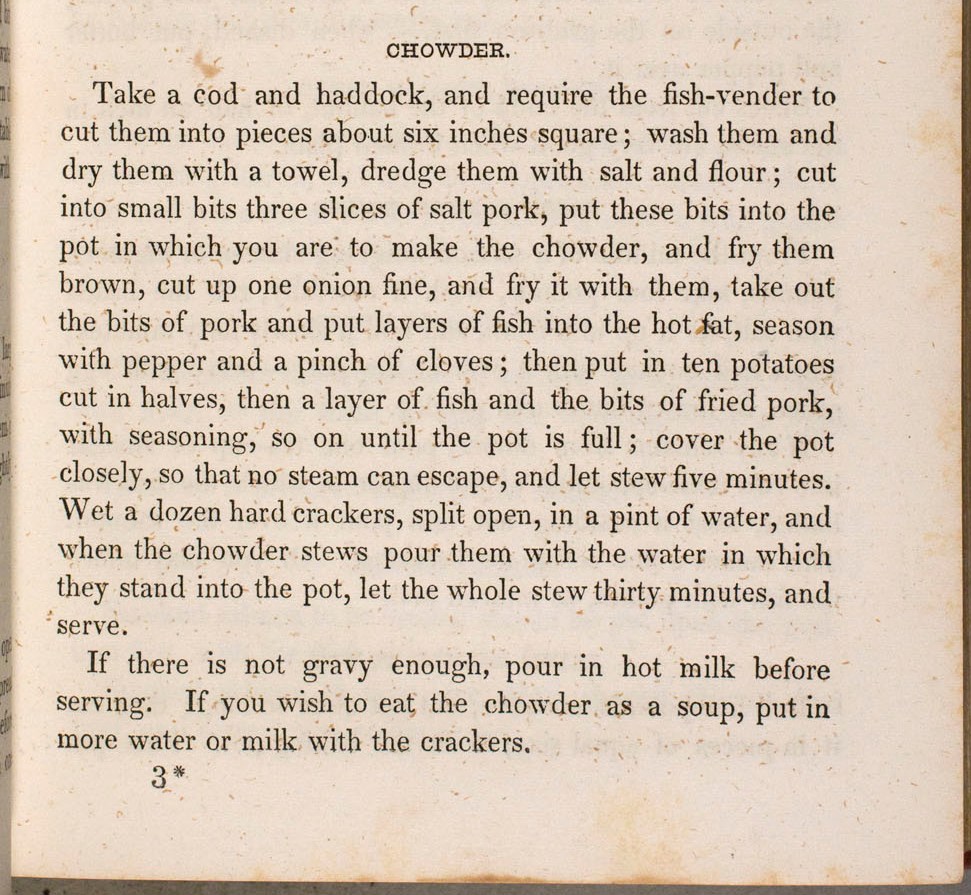
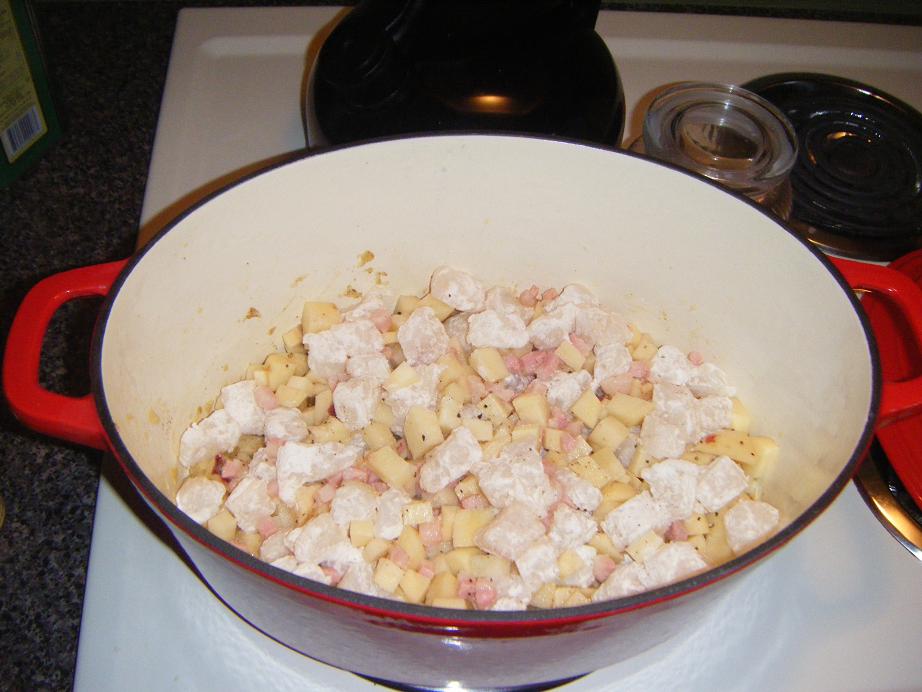
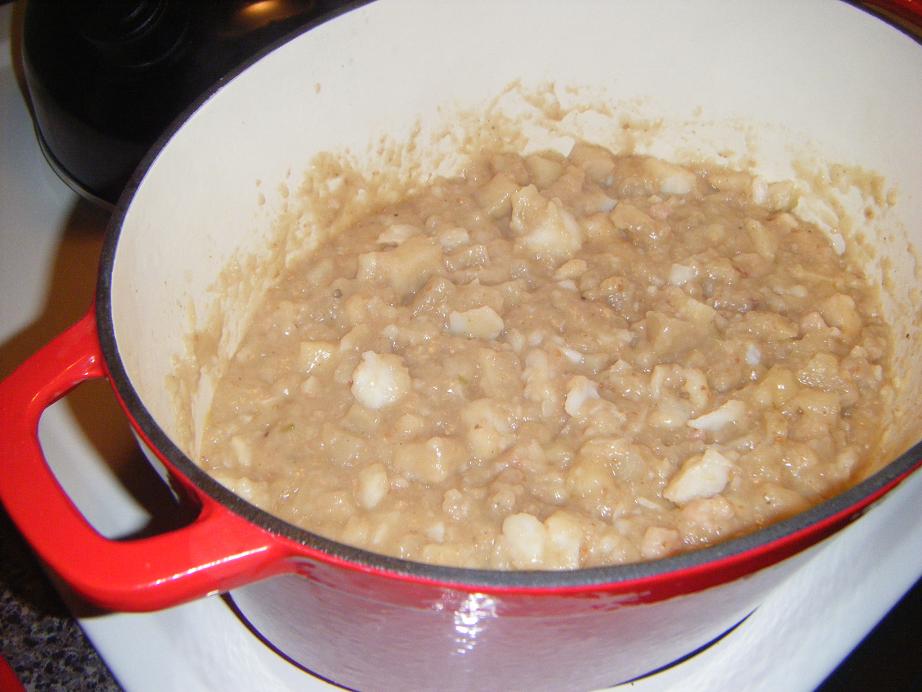
Blog post 2 001 croppedA few weeks ago, I spent some time with AAS’s cookbook collection. As promised in my earlier post, I whipped up a batch of fish chowder from Mrs. Bliss’ Practical Cook Book (1851). The overwhelming consensus was, simply put, “not bad.” It wasn’t great. I certainly wouldn’t entertain with this recipe. However, it was entirely edible, and I may even go so far as to say I enjoyed it. I could definitely imagine folks from 1851 enjoying this chowder on a chilly winter evening. It was very hearty and packed a lot of flavor, especially considering the small amount of ingredients.

Before cooking
Before cooking
<After cooking
After cooking

The simplicity of the recipe, from its pared down ingredients to its minimal cooking instructions, is what made the transition from 1851 to modern day possible. Not having to translate measurements or research old cooking methods certainly helped, but what really made the chowder palatable was the fact that, with five ingredients, how wrong can you really go?

While beneficial for us cooking their recipes over 150 years later, the lesser variety of ingredients available in 1851 had an impact cooks’ creativity. Flipping through Mrs. Bliss’ book, it was hard to find unique recipes – the chowder was actually one of the most unique I could find. The addition of turnips to a stew, for example, automatically created a new dish and required a new recipe. But they had to work with what they had, and came up with some unique combinations that we wouldn’t think of trying today. Take the chowder for example. I would have never thought to put clove in my chowder, and it actually proved to be the tastiest aspect of the dish.

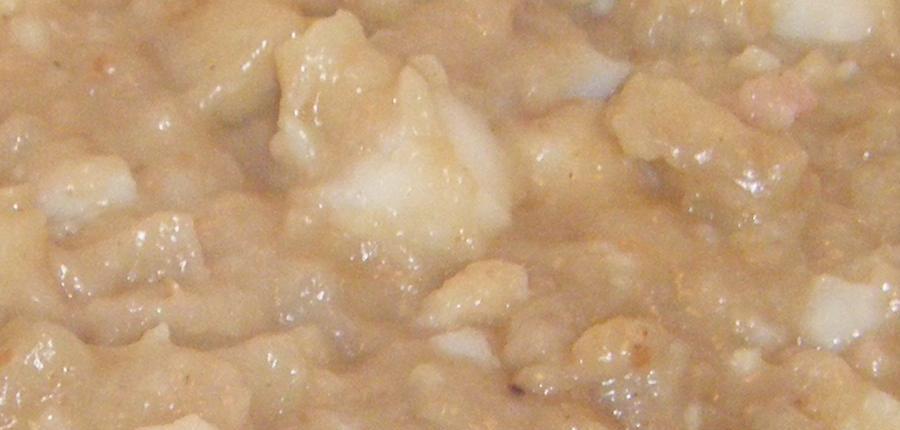
chowdercloseupNot surprisingly, the crackers did prove to be the most interesting component of the recipe. While the mushy crackers did an excellent job of thickening the chowder, they also gave it a very slimy consistency. It was certainly not the rich, creamy chowder we’re all use to. And of course, not using cream or flour as the thickening agent meant the chowder was not creamy white, but more chunky brown.

I’m now on the hunt for a new recipe, so if anyone wants to see a recipe of a specific kind of dish, or from a particular era, let me know!

Bibliographies: from the Gold Rush to Tomatoes

A recent reference question reminded me just how many amazing bibliographies there are, and it also sparked a memory of a wonderful cache of letters in AAS’s manuscript collection that give an insider’s view of the ’49er experience. (The entire Grant-Burr Family Papersforcalifornia are fully transcribed online, including the letters on the California Gold Rush.)

What prompted my reverie was an email from a woman wondering if her ancestor was listed in the reference work by Louis Rasmussen, California Wagon Train Lists. While not strictly a bibliography, this reference work transcribes the lists of passengers traveling west to California that appeared in local papers across the country. Since the book was on the shelf right outside my door, I offered to check the index rather than have her drive up from Connecticut. And while I was looking for her ancestor, I thought I may as well take a look to see if I could track down our Daniel Grant from the Grant-Burr Family Papers.

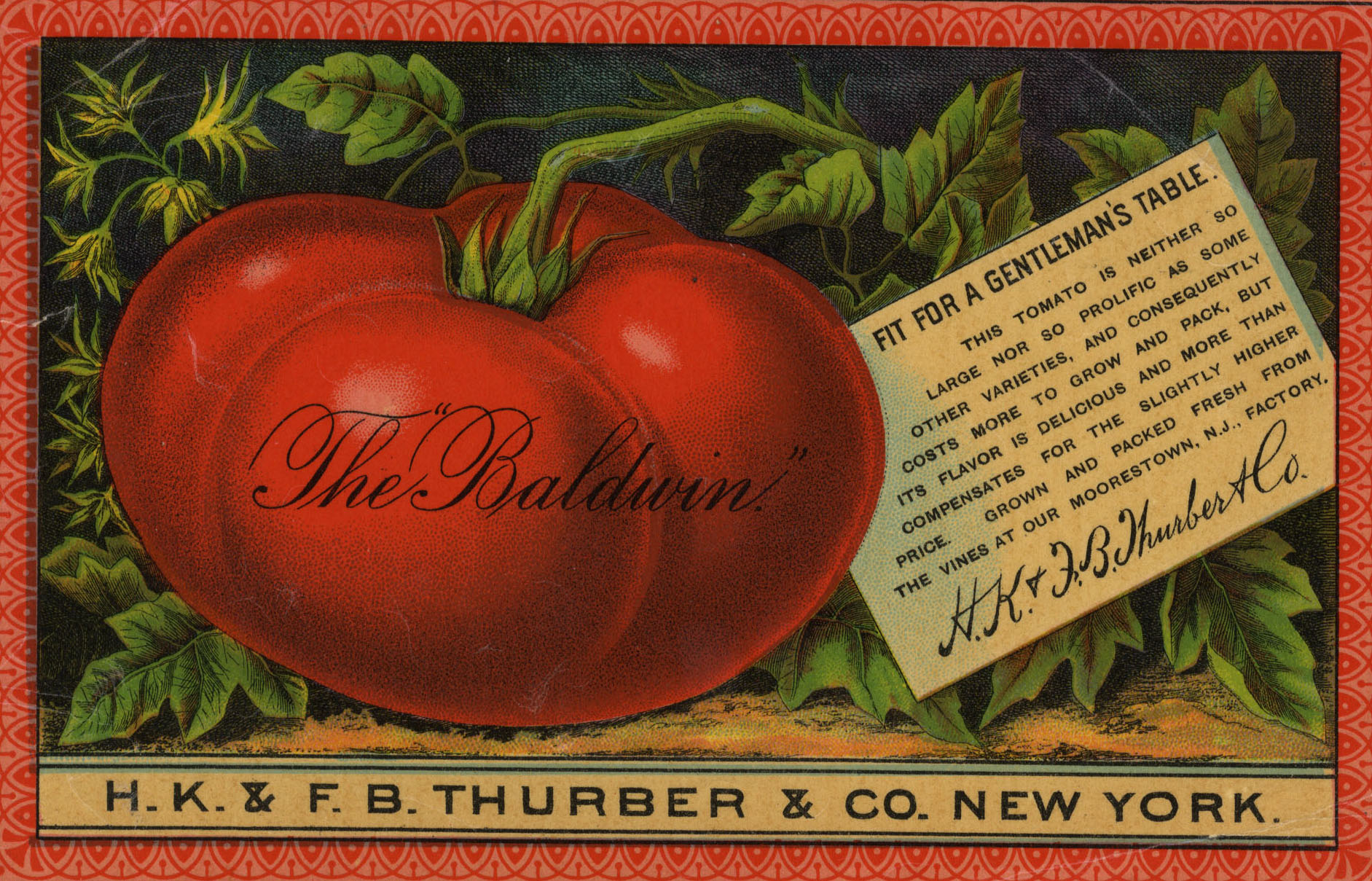
Now, I’m ashamed to admit I didn’t already know about Rasmussen’s book. I fear I will be made to stand in a corner, down one of the many aisles of bibliographies in the reading room, with my face to the shelf for ‘fessing up to this fact. To comfort myself, a quick look around the packed shelves of the AAS reading room reminds me it’s not surprising I wasn’t already familiar with Rasmussen’s California Wagon Train Lists. We have almost 3,000 titles in the Bibliography (or BIB) collection alone. thurberbaldwintomatoOne person can’t be expected to know all of them, I tell myself. For instance, did anyone know there was a bibliography on tomatoes? Not only is there one, there are actually two in the AAS reading room! (The second one is really another edition of the first, so perhaps that’s cheating.)

As modern day researchers, we owe an immeasurable debt to those bibliographers and editors who slogged through thousands of volumes of newspapers to index them or read through other sources to pull out all the citations referring to one subject area. Although I called the debt immeasurable, if anyone could measure it, it would be the bibliographers. Indeed, there are bibliographies of bibliographies. It takes a certain kind of genius to do this kind of work and all of the rest of us benefit from the labor.

This research story has a happy ending. It turns out the ancestor of our inquirer was listed in Rasmussen’s book. Next week I’ll let you know if I was able to find Daniel Grant in there as well, and I’ll include selections from his letters and those of his brother-in-law, Ralph E. Burr, who followed him to California. So get your wagon train ready — we’re heading west!