The Medical Education of Nathan Staples Pike

528208_0002

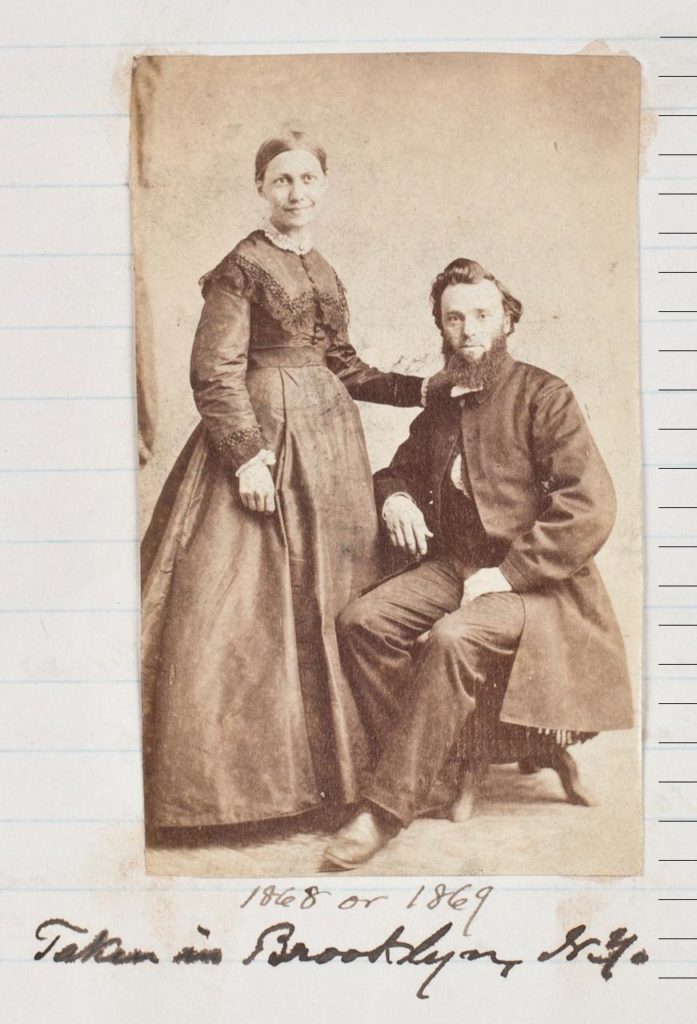
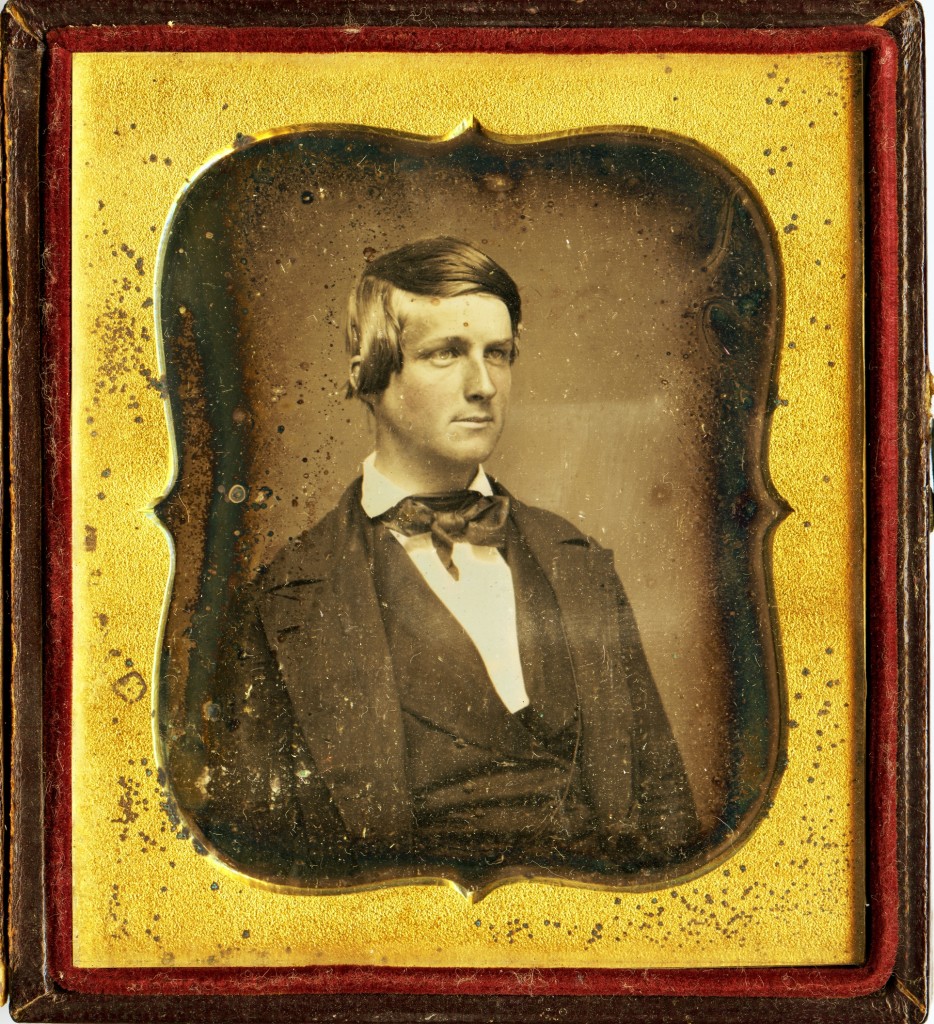
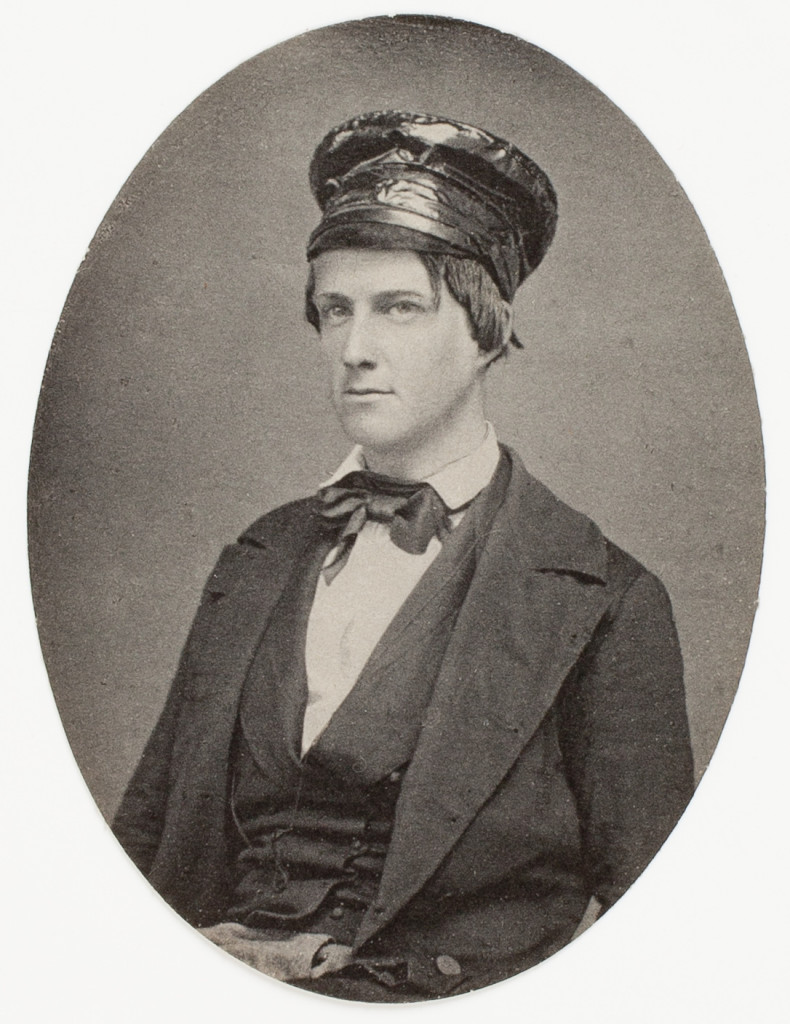
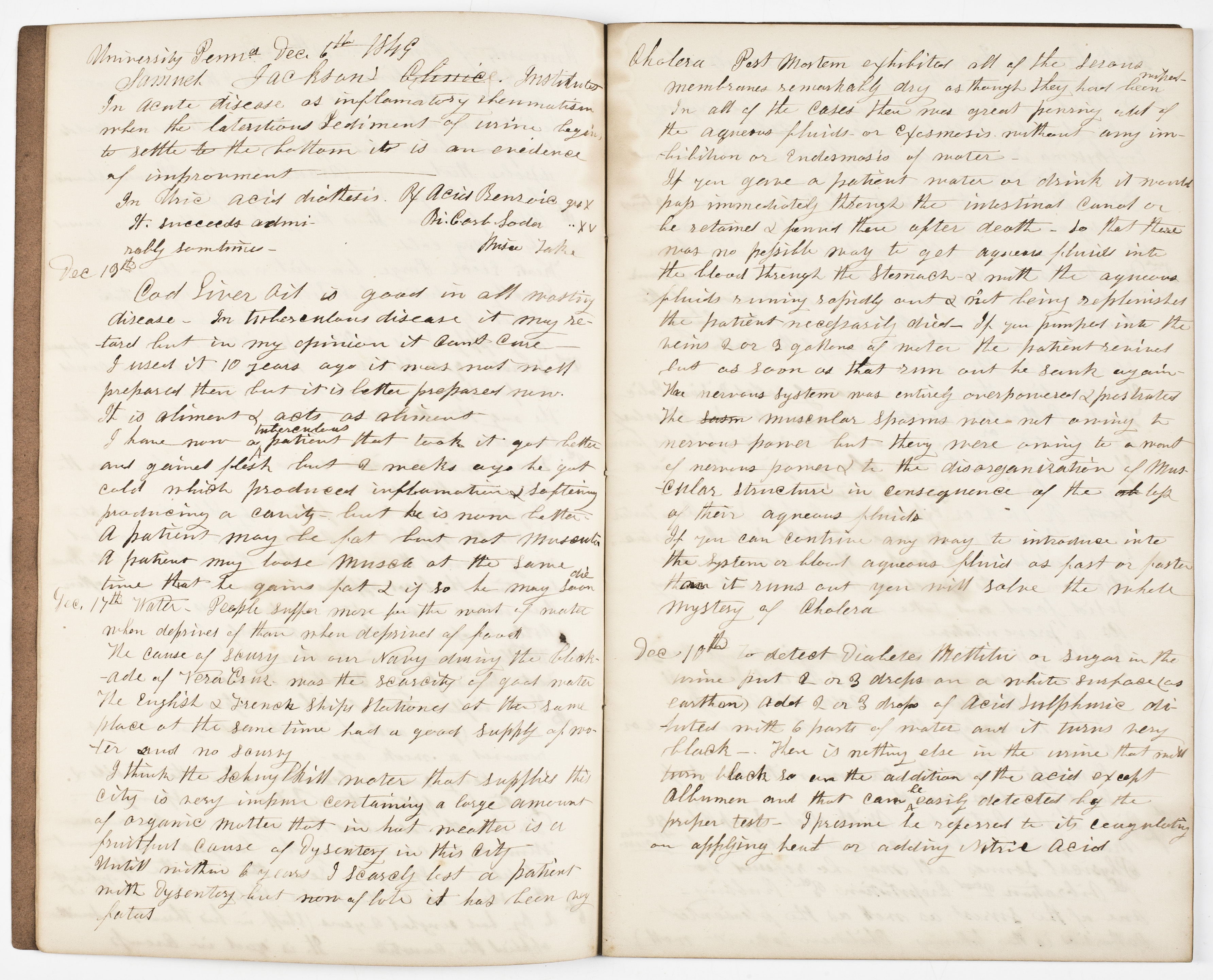
Bloggers at Past is Present have previously written about the recent donation of Pike-Wright Family Papers in several posts. This post is continuing a look at Dr. Nathan Pike's medical career. In 1837, at the age of eighteen, Nathan Pike began teaching in the Foster, Connecticut, district schools and continued this employment for three or four years. ...
“Here a Lee, there a Lee, everywhere a Lee, a Lee”

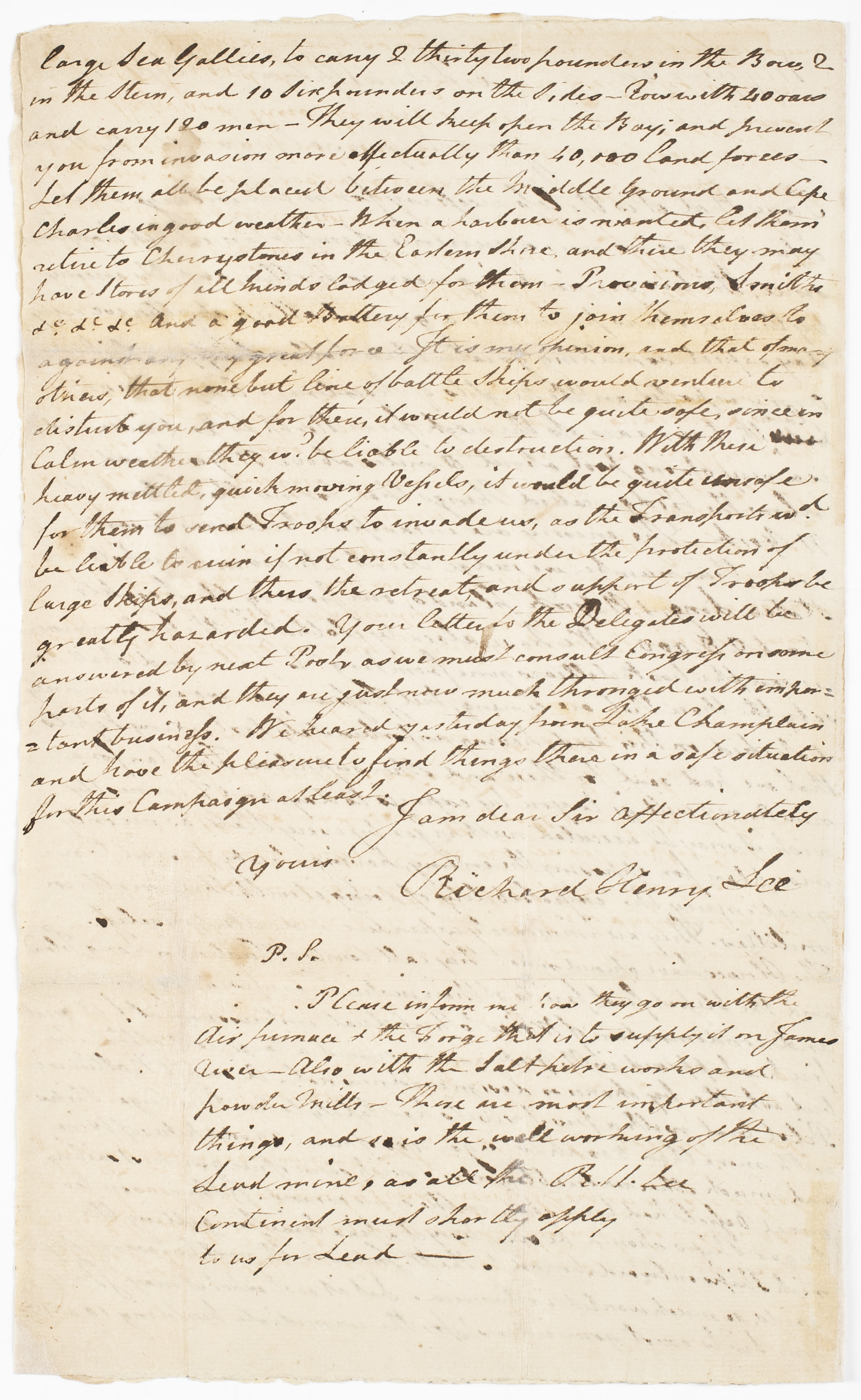
Lee to Page, September 23, 1776

Kathy Major has been volunteering in the Manuscripts Department at AAS for several years and just recently found a small collection of uncataloged Richard Henry Lee letters, which she writes about below. Kathy worked at AAS from 1976 to 1984 and was Keeper of Manuscripts for a portion of that time. After leaving the Society ...

#hamildays: A Hamilton-Inspired Journey Through the Stacks

monographs 336678 federalist bindings copy

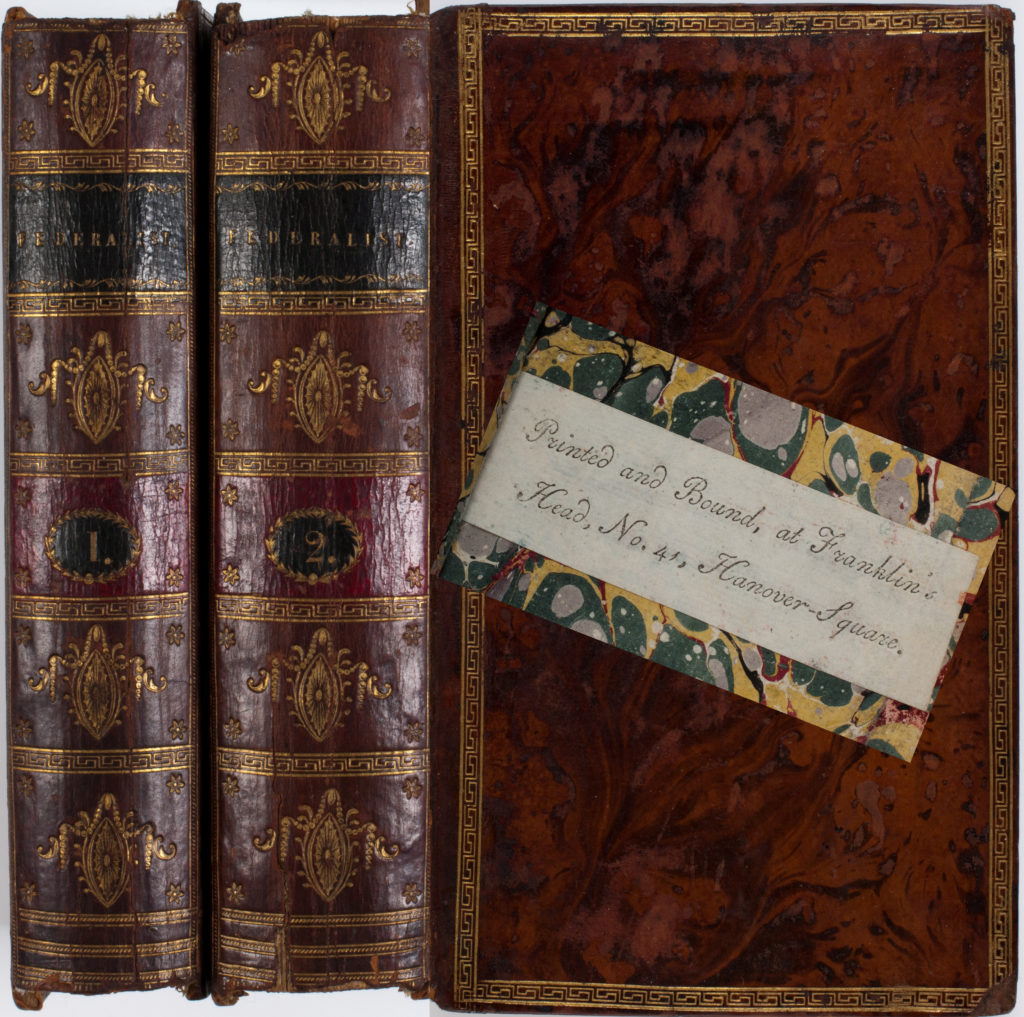
  As a monographs cataloger at the American Antiquarian Society, I work primarily with books and pamphlets, often ones printed in the United States during the nineteenth century. However, the twenty-five miles of shelves at AAS hold much more than books and pamphlets, and recently I ventured into collections that were entirely new to me and ...

The Story of Emily & Benjamin

IMG_5007

Earlier this year the American Antiquarian Society acquired an important archive of manuscripts and drawings related to American missionary activity in Western Africa.  The collection tells the story of a couple, Emily Griswold (1838-1906) and her eventual husband, Benjamin Hartley (1838-1912). Emily was the daughter of the poet and publisher Rufus Wilmot Griswold, who edited anthologies, ...

A broadside of note

528208_0001

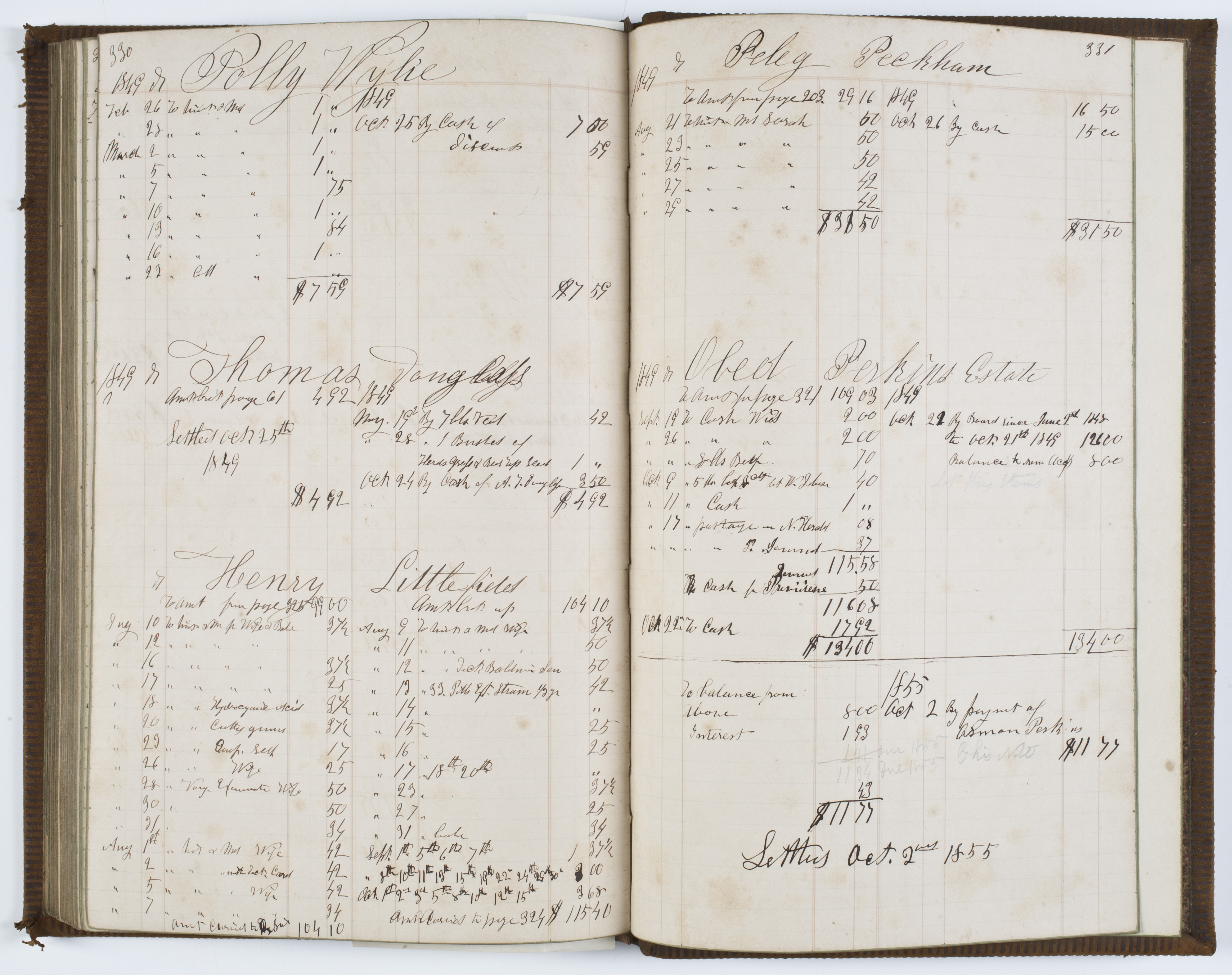
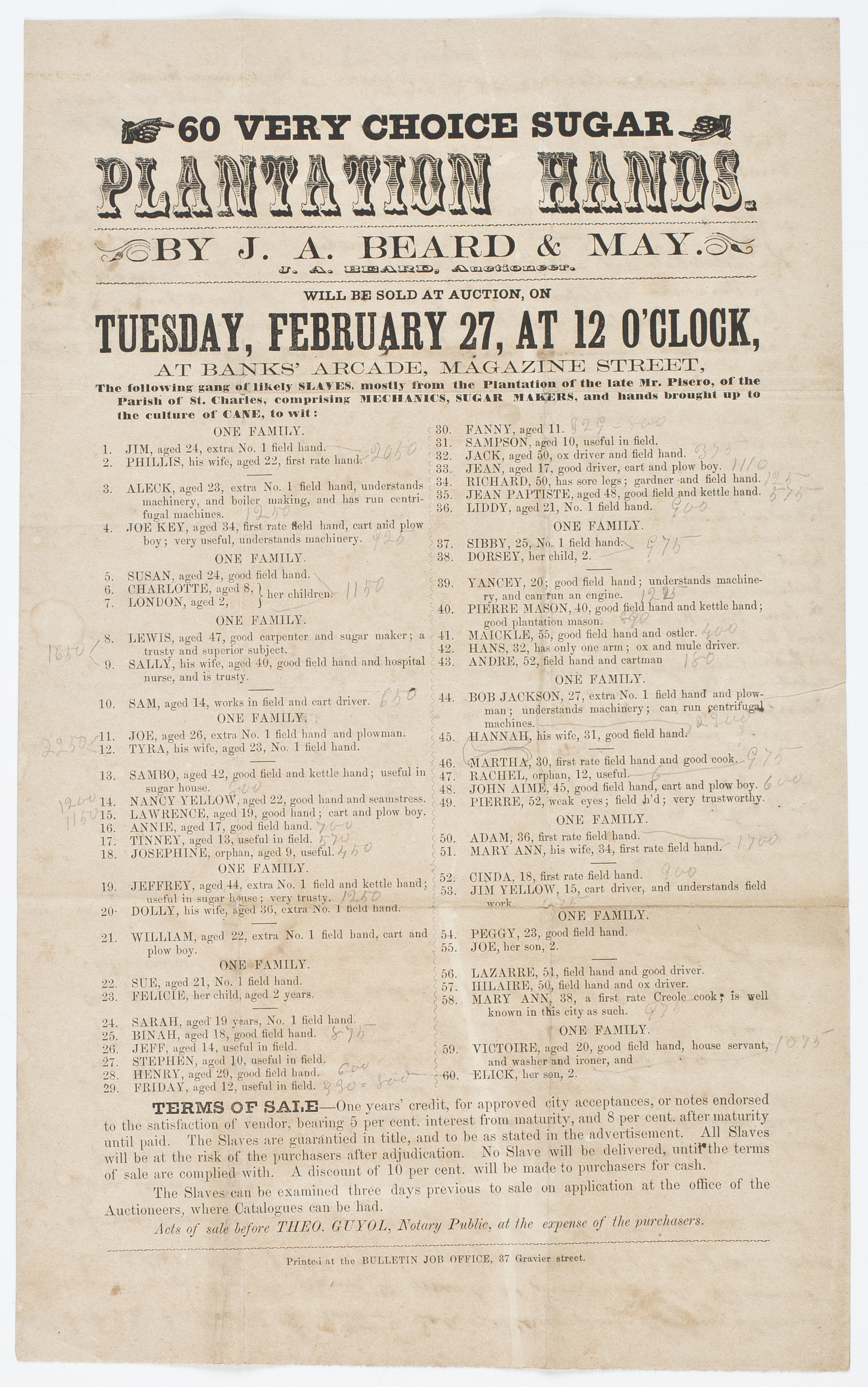
AAS member Jane K. Dewey has volunteered in the manuscripts department for almost 30 years and processed forty large collections. Jane most recently organized, housed, and wrote about some of the manuscripts from the Pike-Wright Family papers, a recent donation from Susan Pike Corcoran. Even though the donation includes a substantial collection of ambrotypes, daguerreotypes, and photographs and a ...

The Acquisitions Table: Meeting President Lincoln

Lyman Lincoln book

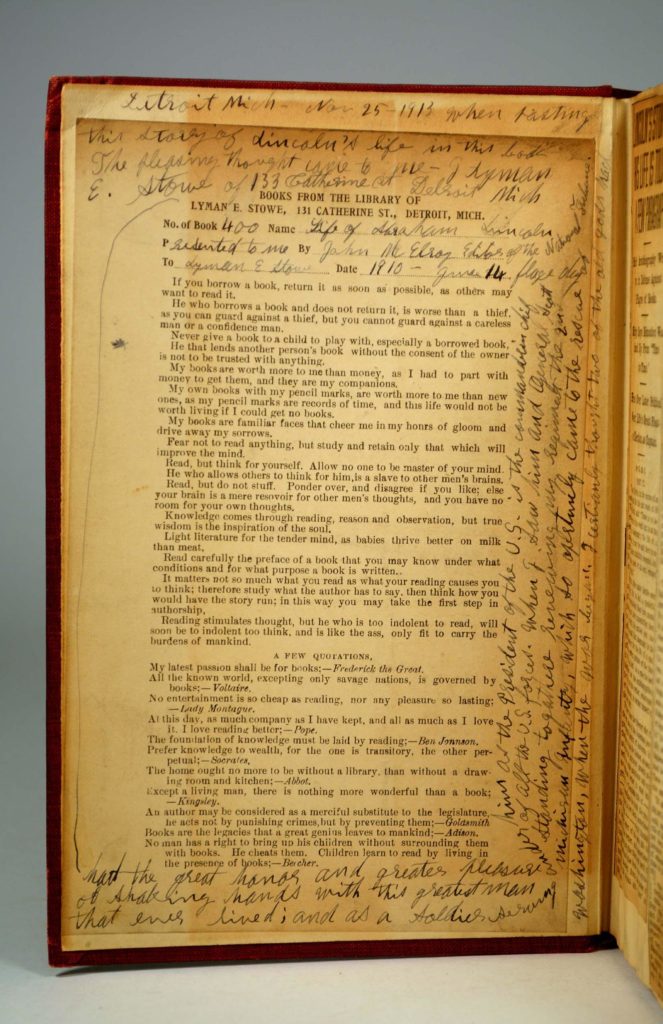
Brooks, Noah. Abraham Lincoln: The Nation’s Leader in the Great Struggle through Which Was Maintained the Existence of the United States. Washington, D.C.: National Tribune, [1909, copyright 1888]. This is marginalia at its finest. Found in a remarkable collection of twenty-seven books published between 1859 and 1916, the marginalia displayed here recalls the moment when an ...

An Antebellum Physician’s Kit

529904_0011

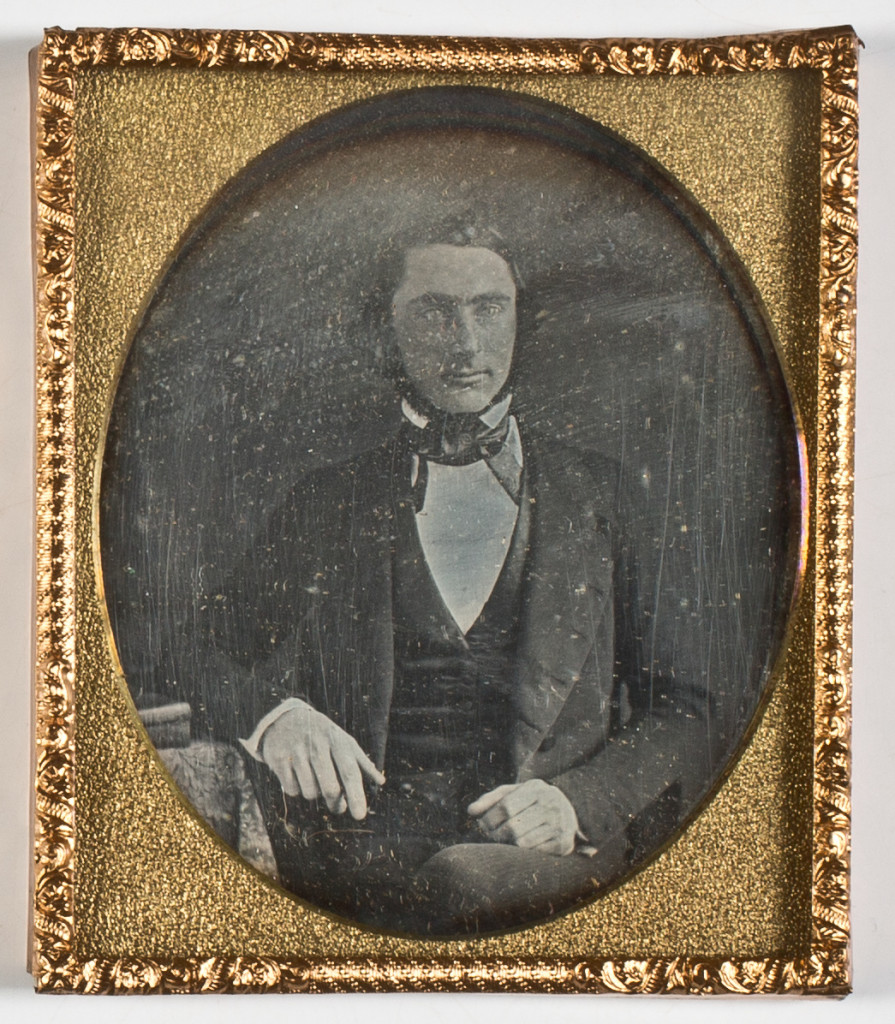
The Pike and Wright Collection, donated by Susan Pike Corcoran, has brought to AAS more than the typical materials of photographs, diaries, books, and letters. Along with the genealogical material, a collection of medical instruments used by Dr. Nathan Staples Pike (1819-1857) is now housed within the Graphic Arts Department. You might remember seeing Dr. ...

Time Stands Still in Collection of Family Photographs

529904_0003

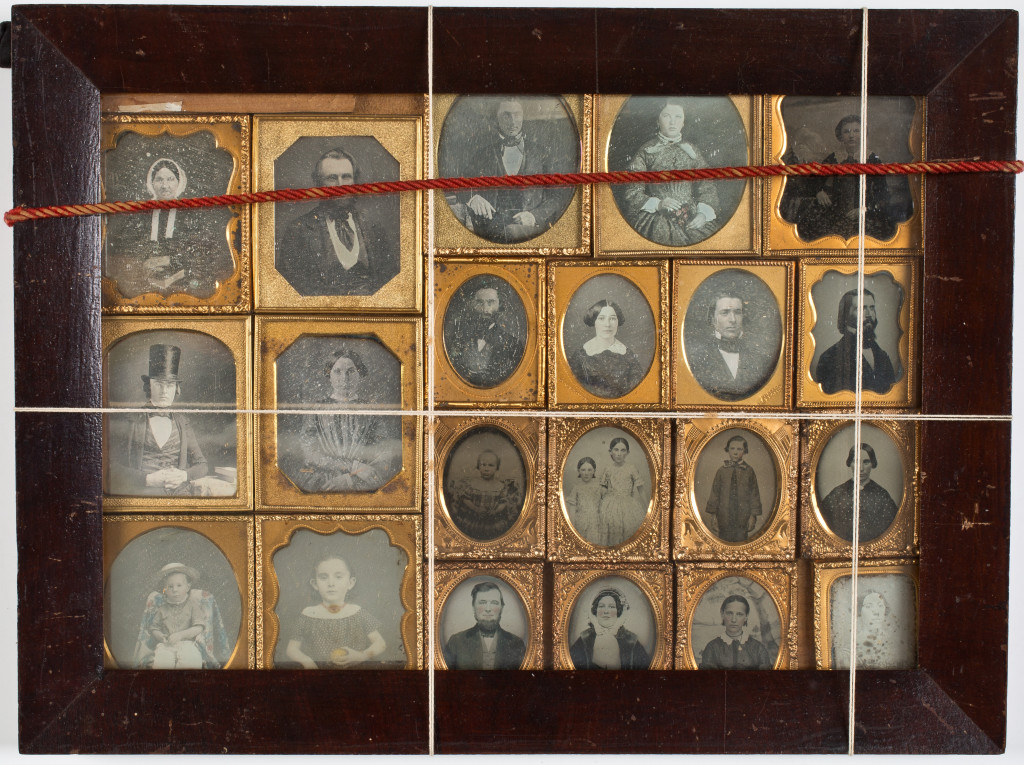
Recently AAS was delighted to receive as a gift a large collection of nineteenth-century manuscripts from the Pike and Wright families of northeastern Connecticut. The collection came in two segments, both the gift of Susan Pike Corcoran in honor of her Pike and Wright ancestors. Caches of family records are rich resources for scholars working ...

The Thoreau Household in 1840

Daguerreotype of Sewall, 1847

We recently announced a new web resource consisting of four journals kept by Edmund Quincy Sewall Jr. between 1837 and 1840, when Sewall was between nine and twelve years old. Of particular interest is a journal kept in March and April 1840, when the boy was a student at John and Henry David Thoreau’s Concord Academy ...

A New “Portrait” of Henry David Thoreau?

Carte-de-visite of Samuel Rouse

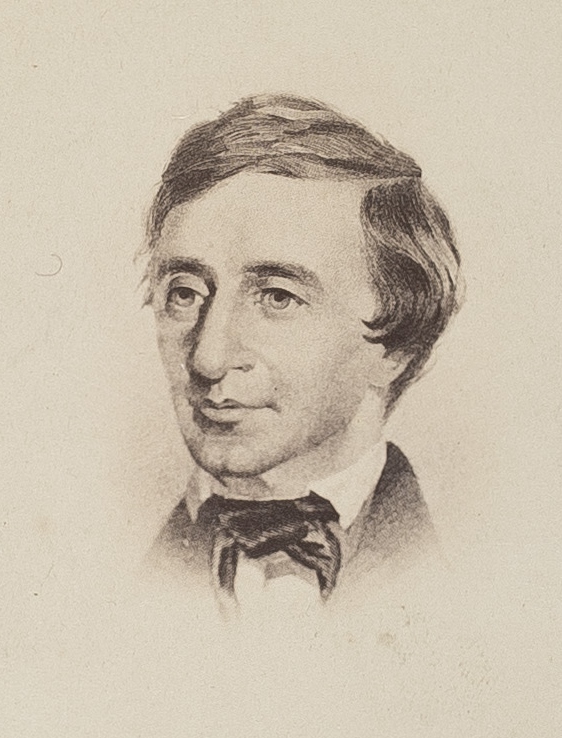
Last week we announced a new AAS web resource consisting of four journals kept by Edmund Quincy Sewall Jr. between 1837 and 1840, plus an introductory essay.  The journals include a description of Edmund’s life in Concord, Massachusetts, in the spring of 1840 while he was attending John and Henry David Thoreau’s Concord Academy and ...

New Web Resource: The Journals of Edmund Q. Sewall Jr., 1837-1840

Edmund Quincy Sewall Jr

Thoreau scholars have long been aware of the journal kept in Concord, Massachusetts, during a period of seven weeks in 1840 when twelve-year-old Edmund Quincy Sewall Jr. was attending John and Henry David Thoreau’s Concord Academy and boarding in the Thoreau household. One reason Edmund’s journal is of interest is that it contains one of ...

The Acquisitions Table: William H. Bryant, Letter, 1858

442326_0001

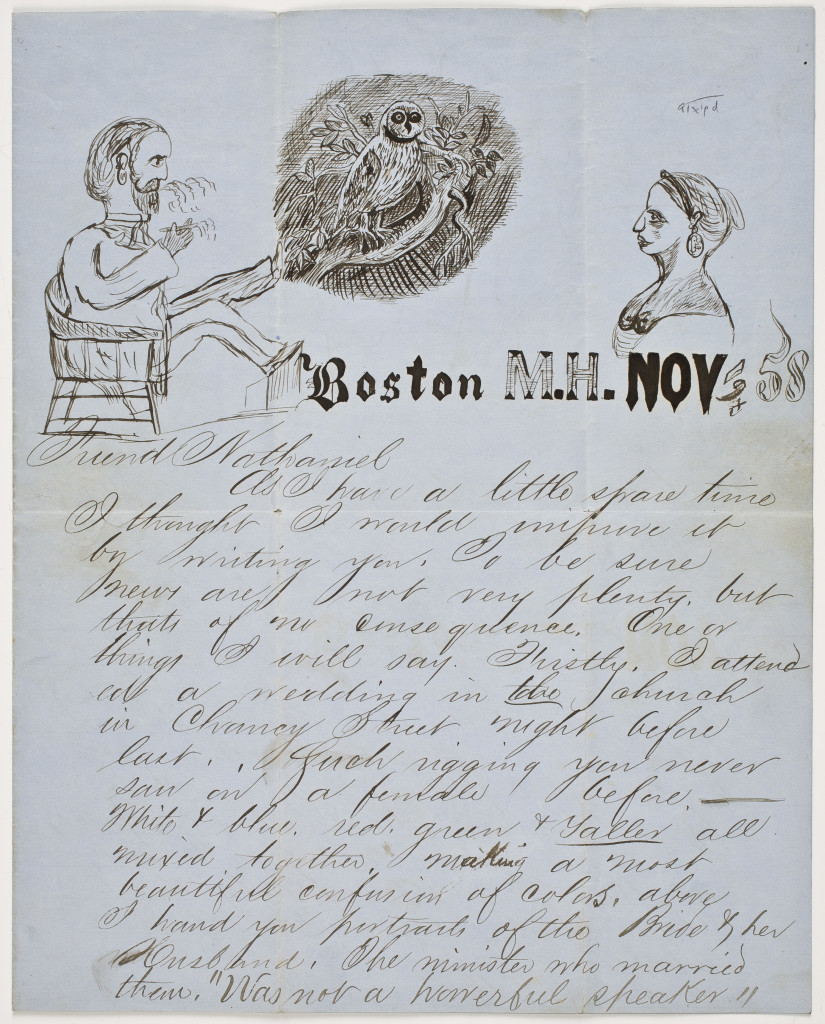
William H. Bryant, Letter, 1858. This entertaining letter between friends was written from Boston by William H. Bryant to his friend Nathaniel in 1858. The letter is self-confessed by the author to be of little significance: “As I have a little spare time I thought I would improve it by writing you. Do be sure news ...

Oil of toads and the perishable arts

server

As visions of baked goods dance through the pages of holiday Instagram, we bloggers at Past is Present have decided to take a look at some of our historical manuscript cookbooks to see what early American bakers were cooking up instead. Like our fellow bloggers at Cooking in the Archives and the experts at Colonial Williamsburg, ...

Writing American Music: The American Vernacular Music Manuscripts Project

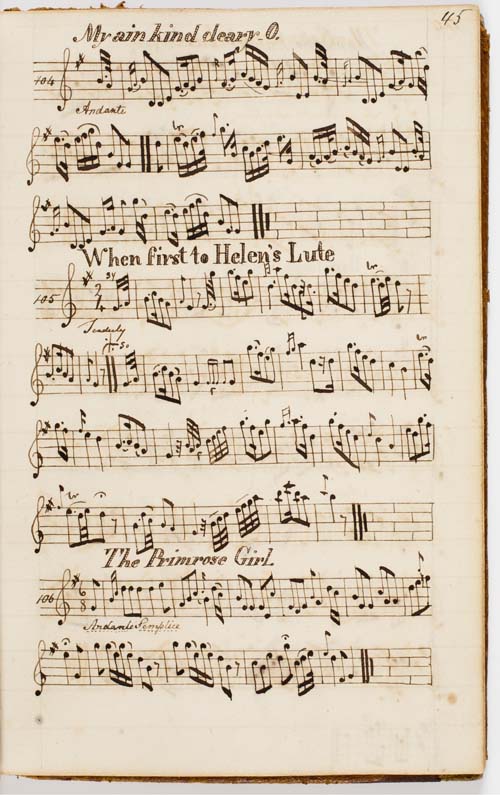
Manuscript Music Book Belonging to Mrs. Eliza Everett. This page comes from a calf-bound octavo volume inscribed "Presented to Mrs Eliza Everett Boston Janry 17th 1811" and "Samuel W. Everett. Jany. 24th 1838." The volume contains manuscript copies of 130 English, Scottish, and Irish jigs, reels, and music associated with the theater from the late eighteenth and early nineteenth centuries.

By the mid-eighteenth century, a common rite of passage for many young people in Colonial America was to attend a local singing school conducted by some itinerant music-master. There they learned the names of the notes, time signatures, rudimentary music theory, and how to sing harmony in four parts. For the young, singing schools were ...